
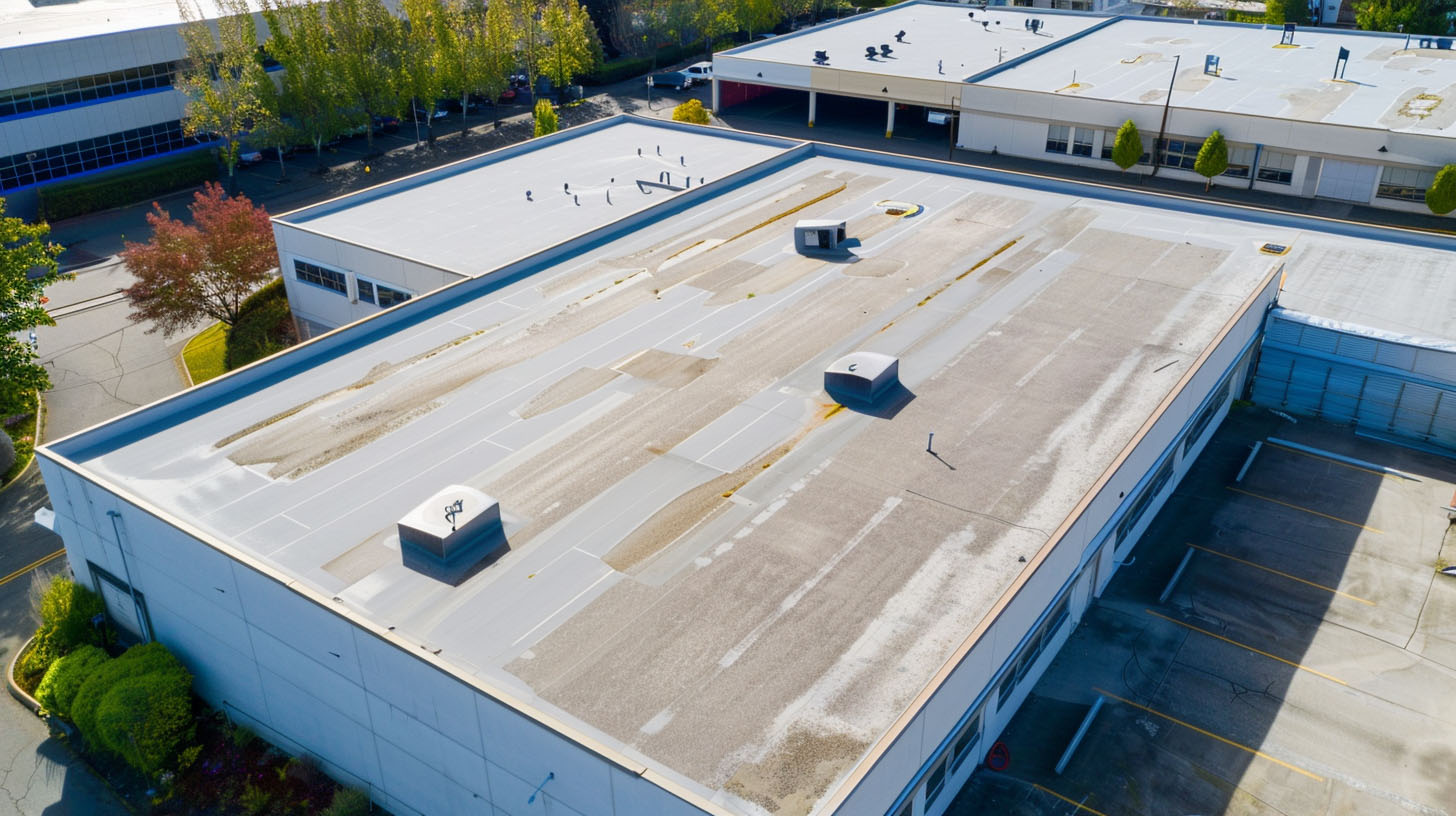
Whether you are building new or replacing an existing roof on one of your commercial buildings in Parker, CO, you need a solution that protects your investment. TPO roofing is a popular modern option, but is it the right fit for you? At Verity Roofing, we believe in transparency, so we’re here to walk you through the good and the bad of TPO. As a proud Veteran Owned company, we also hold several prestigious awards, including IKO Roof Pro Select and Certinteed Shingle Master certifications, showcasing our commitment to quality. Additionally, our BBB A+ rating and HAAG certification reflect our dedication to customer satisfaction, while our Atlas Silver status highlights our expertise in the roof industry.
Understanding TPO Roofing for Commercial Buildings
Before weighing the pros and cons, it helps to know what a TPO roof actually is. This roof material, also known as Thermoplastic Polyolefin, has become a leading choice for commercial buildings with flat or low-slope roofs. It offers a modern alternative to older commercial system options.
Let’s look closer at what makes up a TPO roofing system and how it stacks up against other materials you might be considering.
What Is TPO Roofing?
TPO roofing, or Thermoplastic Olefin roofing, is a single-ply membrane widely used for commercial buildings. Composed of ethylene-propylene rubber and polypropylene, it offers energy efficiency, durability, and cost-effectiveness, making it a popular choice in the commercial roof industry.
How TPO Roofing Compares to Other Commercial Materials
Thermoplastic polyolefin roofing presents a compelling alternative to traditional commercial materials like PVC and rubber roof. Compared to PVC, TPO systems often provide better energy efficiency and UV resistance, appealing to property owners focused on sustainability. While rubber roofing may excel in flexibility, membranes mitigate seam failures due to fewer seams in their design. Additionally, the lighter weight of TPO contributes to reduced labor costs and installation challenges on flat roofs, making it a standout in the commercial roofing market.
Key Advantages of TPO Roofing Systems
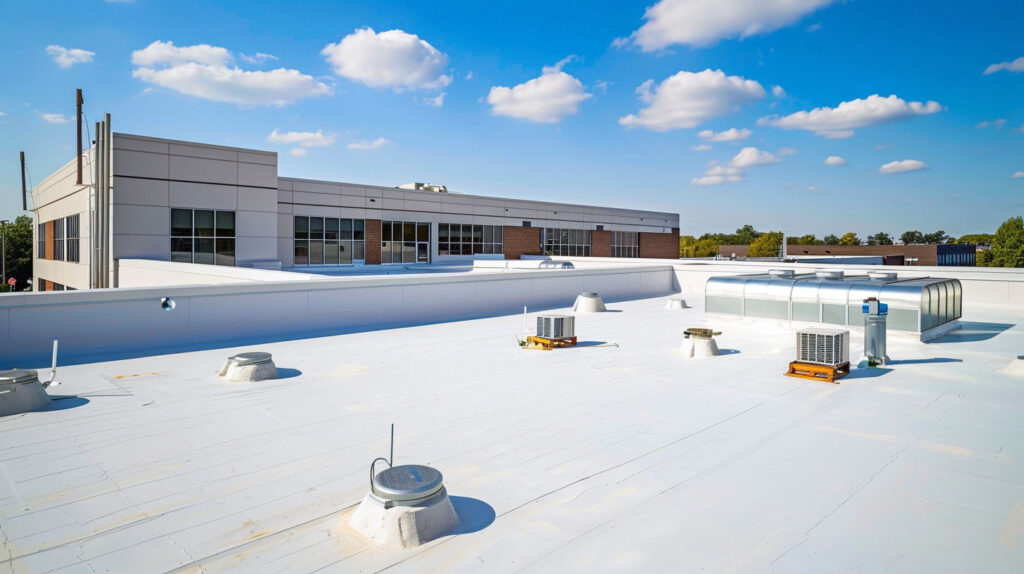
The rise of the roof system in the commercial roofing market is no accident. Property owners consistently choose it for its wide range of benefits, from performance to cost. Its ability to withstand UV rays and create a watertight surface with fewer seams makes it an attractive option.
When you ensure proper installation, a roof delivers impressive energy efficiency and durability, which we will explore in more detail.
Energy Efficiency and Environmental Benefits
A standout feature of TPO roofing systems is their exceptional energy efficiency, significantly reducing cooling costs for commercial properties. By reflecting UV rays, these membranes minimize heat absorption, leading to lower energy consumption. Property owners benefit from long-term savings, making TPO a financially savvy choice. Additionally, roof materials are often manufactured with environmentally friendly processes, further enhancing their appeal. This blend of high performance and eco-conscious design positions TPO as a competitive option within the commercial roof market, aligning with modern sustainability goals.
Durability, Longevity, and Weather Resistance
Commercial properties benefit significantly from the durability and longevity offered by roofing systems. Known for their superior weather resistance, these roofing materials effectively handle various environmental challenges, such as intense heat and UV rays, while maintaining structural integrity. The seamless design minimizes weak points, reducing the risk of leaks and water damage. Proper installation is crucial for optimum performance, ensuring that TPO roofing can withstand heavy foot traffic and chemical exposure over time, making it a reliable choice for business owners.
Potential Drawbacks and Considerations with TPO Roofing
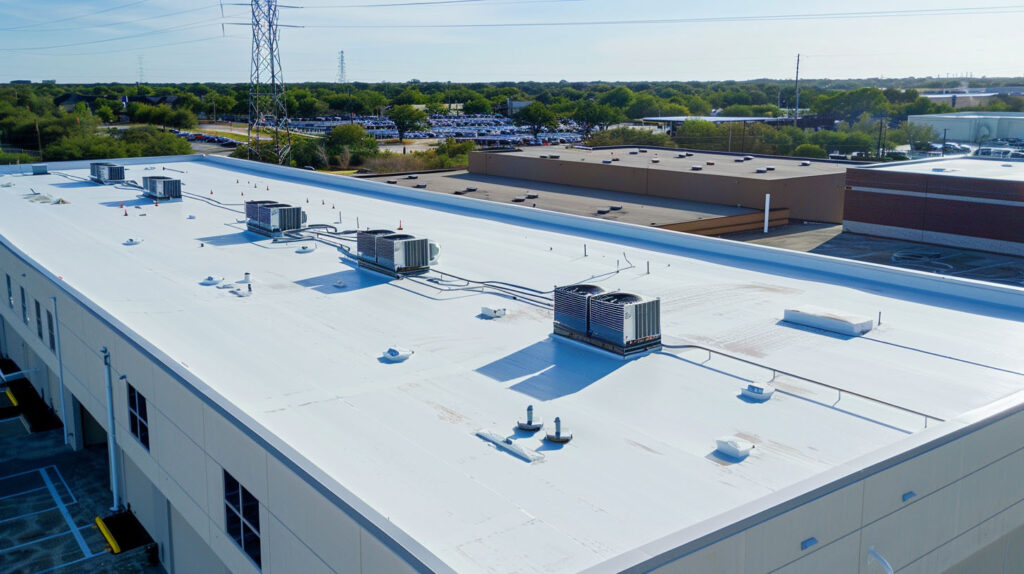
While TPO is an excellent choice for many commercial properties, it’s important to be aware of the cons of TPO roofing. No roof system is perfect, and understanding the potential disadvantages of systems helps you make a fully informed decision. The most significant factor is the need for proper installation by a qualified roof contractor.
Issues often arise from poor workmanship, which can create weak points in the system. Let’s examine some common concerns and cost factors you should consider.
Common Issues and Maintenance Needs
Maintenance of TPO roof systems can be crucial to ensure their longevity and performance. Common issues include seam failures, which can lead to water damage and mold growth if not addressed promptly. Regular inspections by roof professionals can help identify weak points, especially in areas subjected to heavy foot traffic. Additionally, exposure to chemical substances may degrade the membrane over time. Proper installation and routine check-ups will provide property owners with peace of mind and extend the life of their roofing investment.
Trust the Experts
In summary, TPO roof systems present a compelling option for commercial buildings, balancing energy efficiency with durability. Our partnerships with leading brands such as IKO, Owens Corning, Atlas, Euroshield, and Malarkey enhance our offerings, ensuring that we provide high-quality materials and expert solutions. While the advantages often outweigh the potential drawbacks, such as maintenance needs and cost factors, it’s essential for property owners to consider their specific requirements. Engaging with roof professionals can provide invaluable insights into this type of roofing and ensure expert installation. Ultimately, these partnerships allow us to deliver efficient solutions for new construction or roof projects in various commercial settings.
Frequently Asked Questions
How long does a commercial TPO roof last?
A commercial TPO roof typically lasts between 15 and 30 years. The final lifespan of the roof system depends on the thickness of the roofing membrane, the quality of the installation, local climate conditions, and how well it is maintained over its track record.
What are the disadvantages of TPO roofing?
The main disadvantages of TPO roofing systems are its relatively shorter track record in the industry and inconsistent quality between manufacturers. The biggest risk is improper installation, which can cause seam failures and create weak points in this roofing material.
Read our blog: Why Metal Roofing Is Gaining Popularity Among Homeowners