
Choosing the right materials for your roof can feel overwhelming with so many options available. If your property has a flat or low-slope roof, rubber roofing is an excellent choice worth considering. At Verity Roofing, we pride ourselves not only on our commitment to quality but also on our accolades that reflect our dedication to excellence. As a Veteran Owned business, we understand the importance of service and integrity. We are proud to be recognized as an IKO Roof Pro Select and a CertainTeed Shingle Master, which showcases our expertise and commitment to high standards in roof. Additionally, we hold a BBB A+ rating, demonstrating our commitment to customer satisfaction. With certifications from HAAG and an Atlas Silver designation, you can trust that we prioritize quality and professionalism. This guide will walk you through what rubber roofing is and why it might be the perfect solution for your home or business in Parker, CO.
Understanding Rubber Roofing and Its Applications
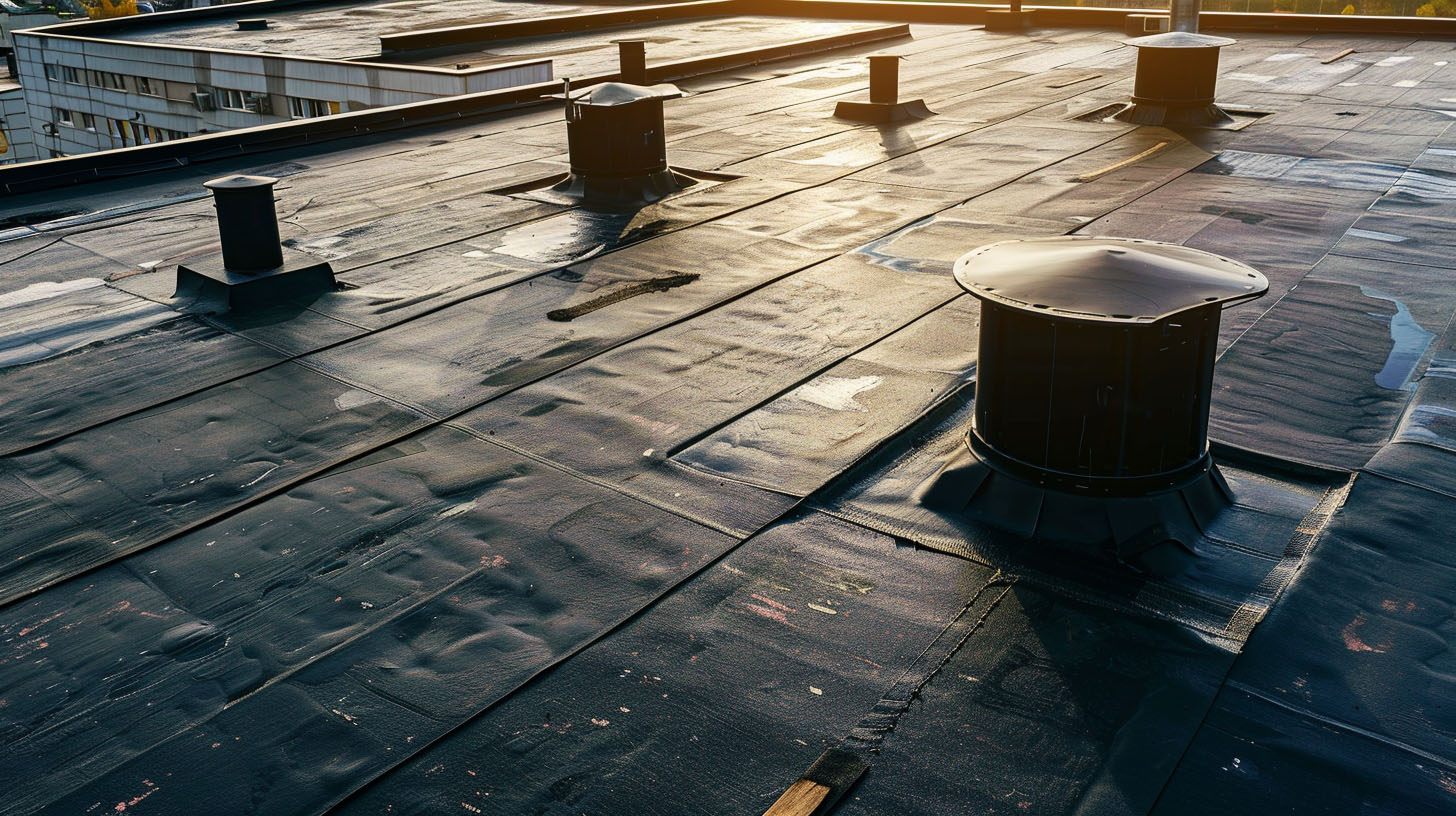
So, what exactly is a rubber roof? The term refers to roof materials made from synthetic rubber and plastic polymers. These materials are designed to create a waterproof, flexible, and durable barrier over your roof deck, protecting your property from the elements.
Because of these qualities, materials are most effective for a specific type of roof project. They are the go-to solution for flat and low-slope roofs on both commercial and residential buildings, where traditional shingles can’t effectively manage water runoff.
What Makes Rubber Roofing Unique Among Roofing Materials
A distinct feature of roof lies in its manufacturing process, which uses ethylene propylene diene terpolymer (EPDM) to create durable, large sheets that withstand extreme weather conditions. Unlike traditional materials such as asphalt shingles, rubber roofs offer excellent heat absorption and UV resistance. Additionally, they excel in water resistance and can handle high winds, making them a popular choice for both residential and commercial buildings. Their low maintenance requirements further enhance their appeal, providing property owners with a hassle-free option.
Ideal Scenarios for Installing Rubber Roofing
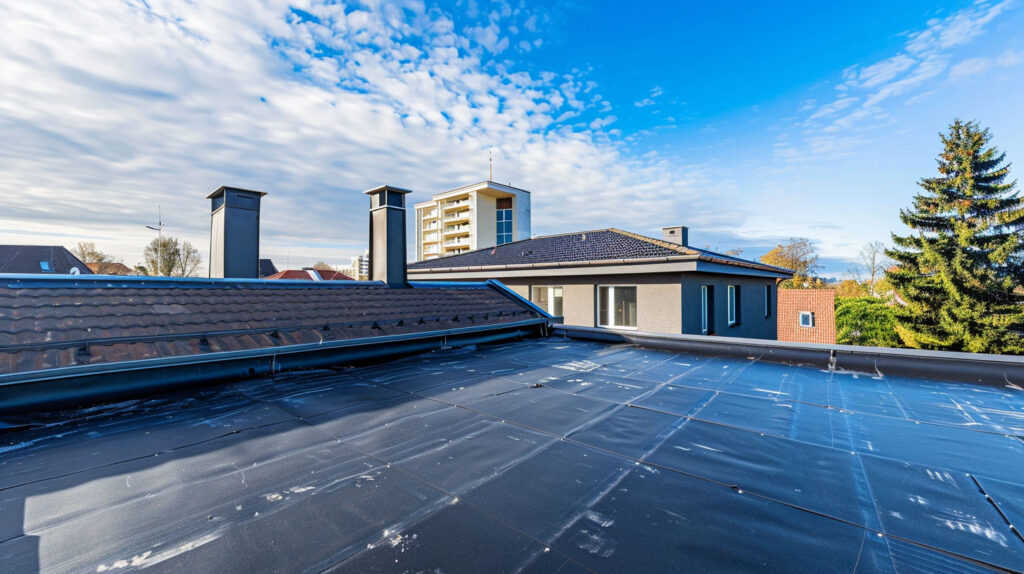
In Parker, CO, rubber roofing excels in situations where durability and weather resistance are paramount. Its remarkable performance in extreme temperatures and high winds makes it an excellent choice for flat roofs and commercial buildings. Property owners seeking minimal upkeep will appreciate the low maintenance requirements, allowing for seamless water runoff and reduced energy costs. Whether upgrading an existing roof or undertaking new construction, roof provides an informed decision for those facing the challenges of Colorado’s harsh climate.
Types of Rubber Roofing Available for Homes and Businesses
When you decide on a rubber roof, you’ll find there are several types of rubber roofing to choose from. Each has its own distinct characteristics and benefits, making it important to understand your roof options before moving forward.
We’ll explore the most popular rubber roofing materials available. Understanding the differences between EPDM, TPO, and other alternatives will help you select the best fit for your building’s needs, budget, and our local Colorado climate.
EPDM Rubber Roofing: Strengths and Best Uses
Considered a top contender among roof materials, EPDM rubber roofing showcases exceptional durability and flexibility, making it ideal for a variety of climates. Its unique ethylene propylene diene terpolymer composition provides impressive resistance against extreme weather conditions, including high winds and UV rays. Particularly well-suited for flat roofs, this type of excels in water runoff management, ensuring minimal leakage. Property owners appreciate its low maintenance requirements and long lifespan, making it a popular choice for both residential and commercial applications.
TPO and Modified Bitumen: Alternatives to EPDM
Two notable alternatives to EPDM roofing are TPO (thermoplastic olefin) and modified bitumen. TPO is known for its superior energy efficiency, reflecting UV rays to decrease heat absorption and reduce energy costs, making it an eco-friendly choice for many property owners. Meanwhile, modified bitumen offers enhanced durability through its layers, providing excellent weather resistance against extreme conditions. Both options present a viable solution for flat roofs, ensuring minimal maintenance and longevity, and can effectively meet the diverse needs of commercial roof projects.
Key Benefits of Choosing Rubber Roofing
Opting for a new rubber roof brings a host of powerful advantages to property owners. The benefits of rubber roofing go beyond just covering your building; they provide long-term value, protection, and peace of mind.
From its incredible durability against harsh weather to its low-maintenance demands, a rubber roof is a smart investment. In the following sections, we will look closer at how its weather resistance and energy-efficient features make it a standout choice among materials.
Durability and Weather Resistance in Colorado’s Climate
A robust option, rubber roofing excels in durability, particularly in the face of Colorado’s extreme weather conditions. With materials like ethylene propylene diene terpolymer (EPDM) and thermoplastic olefin (TPO), these systems resist UV rays and water runoff, ensuring longevity. The low maintenance requirements further enhance its appeal, as property owners benefit from minimal upkeep. This makes rubber roof an excellent choice for both residential and commercial buildings, safeguarding against the harsh temperatures and high winds characteristic of the region.
Energy Efficiency and Eco-Friendly Features
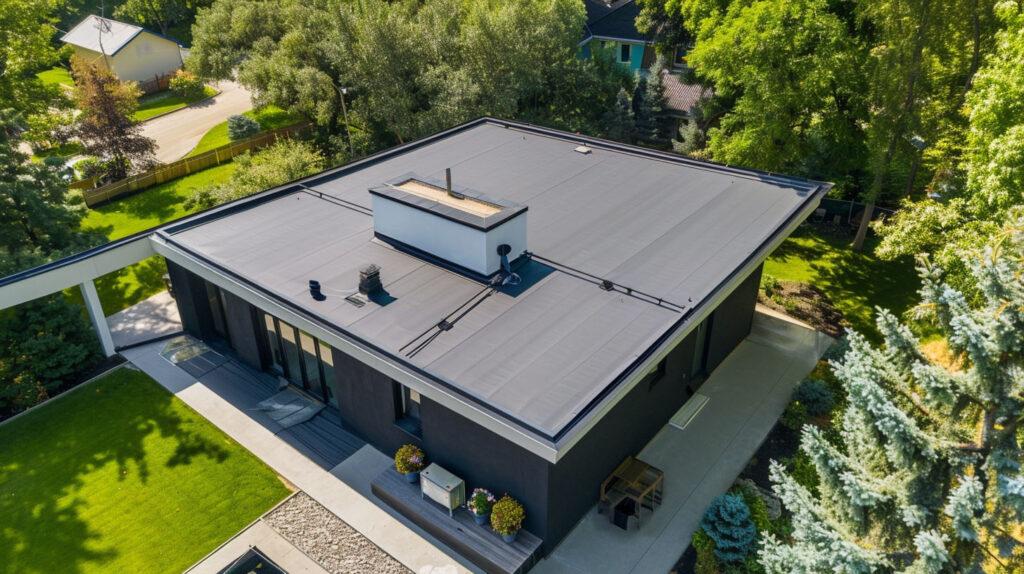
A standout characteristic of rubber roofing lies in its impressive energy efficiency and eco-friendly features. The material’s ability to resist heat absorption keeps energy costs low, particularly in warmer months. This contributes to a reduced carbon footprint, making it an environmentally responsible choice for property owners. Additionally, many rubber roofing systems incorporate recycled materials, promoting sustainability. With minimal upkeep and durability, rubber roofing not only protects your investment but also supports eco-conscious initiatives, proving to be a smart roofing option for the future.
Important Considerations Before Installing Rubber Roofing
While rubber roofing offers many benefits, it’s essential to weigh a few factors before committing. Making an informed choice ensures you select the best of all roofing options for your property’s unique needs and get the most value from your investment.
Before you proceed with the initial installation, it’s wise to consider costs, longevity, maintenance needs, and whether it’s the right fit for your type of property. Working with a trusted roofing contractor like Verity Roofing ensures all these factors are carefully evaluated.
Costs, Longevity, and Maintenance Requirements
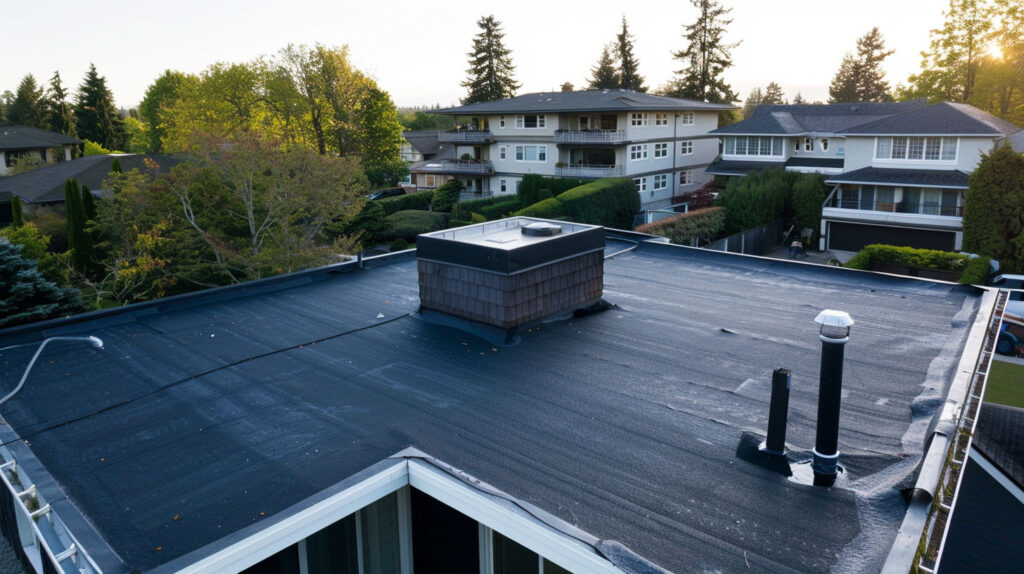
Analyzing the financial aspects of rubber roofing reveals an initial installation cost that often competes favorably with traditional roofing materials like asphalt shingles. However, its low maintenance requirements contribute to long-term savings, as the lifespan of rubber roofs can extend well beyond 30 years with proper care. Regular inspections ensure longevity, minimizing stress over harsh weather conditions. Property owners appreciate the minimal upkeep due to the robust water resistance and UV protection, making rubber roofing a smart investment choice for both residential and commercial buildings.
Compatibility with Residential vs. Commercial Properties
Selecting the right roofing material involves understanding its compatibility across various property types. In residential settings, rubber roofing offers a blend of durability and aesthetic appeal, accommodating sloped or flat designs. For commercial buildings, especially those facing extreme weather conditions, EPDM and TPO roofing systems shine due to their excellent water resistance and low maintenance requirements. Property owners should consider the specific needs of their structure to make an informed decision that maximizes longevity and minimizes upkeep.
What’s Next
Selecting the appropriate roofing material is pivotal for long-term performance and sustainability. Rubber roofing stands out due to its exceptional durability, weather resistance, and low maintenance requirements, making it an excellent choice for both residential and commercial properties. In partnership with trusted brands like IKO, Owens Corning, Atlas, Euroshield, and Malarkey, we offer a variety of rubber roofing types, including EPDM and TPO, ensuring property owners can make an informed decision tailored to their specific needs. Ultimately, investing in rubber roofing can enhance energy efficiency while reducing the overall carbon footprint, ensuring a wise investment for years to come.
Frequently Asked Questions
What are the cons of rubber roofing?
The main drawbacks of rubber roofing include its susceptibility to punctures in high-traffic areas and the fact that darker colors can absorb heat. Proper installation requires a skilled professional, so it’s not a DIY-friendly project. Regular inspections can help maintain the integrity of your rubber roof.
When to use a rubber roof?
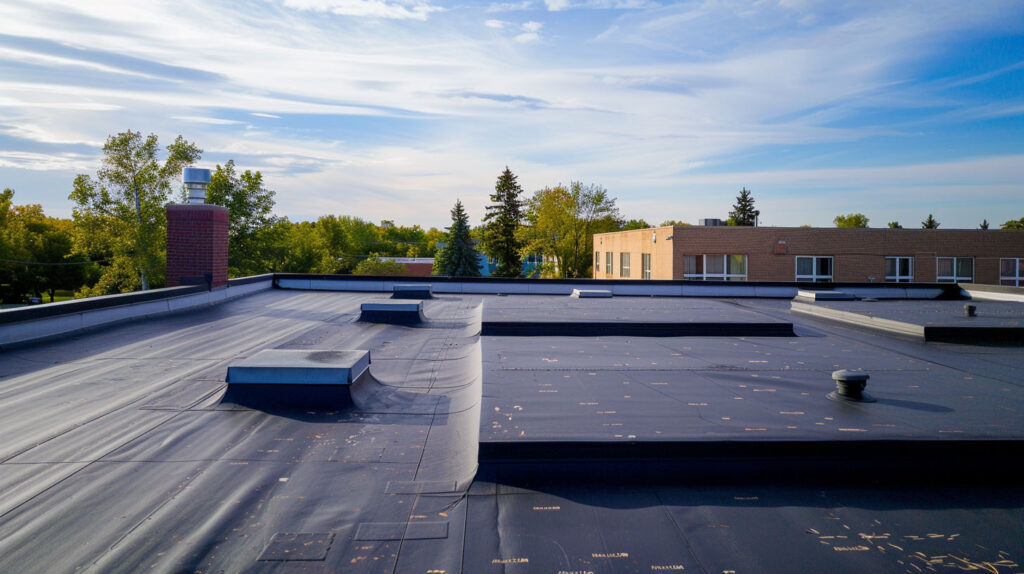
A rubber roof is the ideal choice for flat or low-slope roofs on both commercial and residential properties. It’s perfect for any roofing project where durability, water resistance, and low maintenance are top priorities. For personalized advice, always consult a professional roofing contractor.
Is a rubber roof cheaper than shingles?
The initial cost of rubber roofing per square foot is often higher than asphalt shingles. However, because a rubber roof can last two to three times longer and requires less maintenance, it typically proves to be more cost-effective over the life of the roof.
Read our blog: The Beauty and Durability of Slate Tile Roofs