
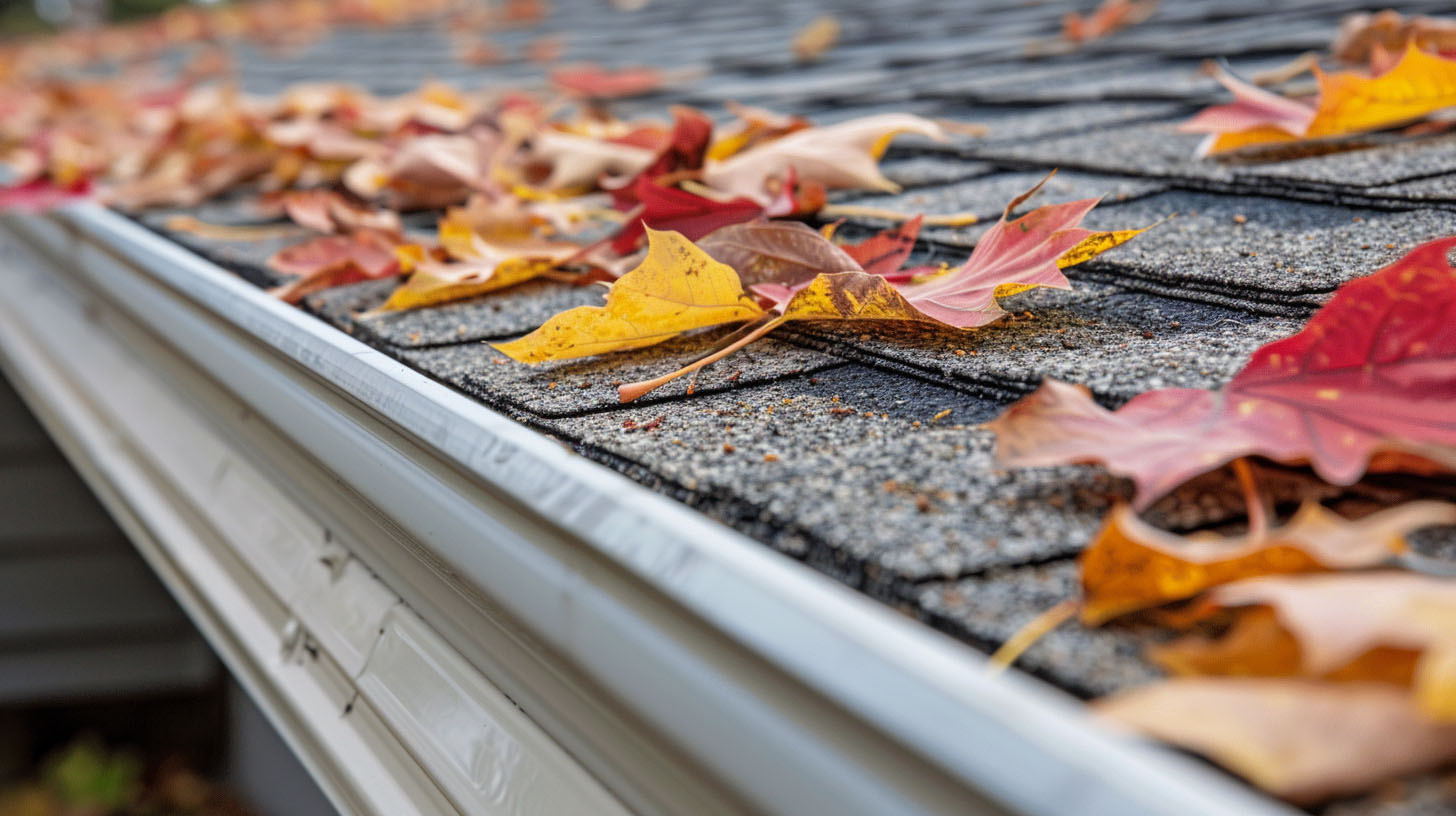
When you think about your roof, you probably picture shingles and gutters. But did you know that what’s happening inside your attic space is just as important? Proper roof ventilation is an often-overlooked hero that works silently to protect your home. At Verity Roofing, we understand the significance of this aspect of roofing. Our partnership with trusted brands like IKO, Owens Corning, Atlas, Euroshield, and Malarkey ensures that we utilize top-quality materials and techniques to enhance your roof’s performance. This collaboration enables us to provide solutions that play a vital role in preventing moisture buildup, which can lead to costly and stressful damage if left unchecked in Parker, CO.
Why Roof Ventilation Matters for Moisture Control
Proper ventilation is your roof’s first line of defense against dampness. It’s all about effective moisture control. A balanced attic system creates a steady flow of air that pushes out warm, humid air before it can cause trouble.
This process keeps your attic dry and healthy year-round. Using components like ridge vents, your roof can “breathe,” which is essential for preventing the damaging effects of condensation. Next, we will explore the specific ways moisture can harm your roof and how ventilation stops it.
Impact of Moisture on Residential Roofs in Parker, CO
The accumulation of moisture on residential roofs can lead to significant damage, particularly in Parker, CO, where seasonal humidity levels fluctuate. Excess moisture fosters mold growth and encourages the deterioration of roofing materials, which may manifest as water stains and wood rot. This moisture buildup compromises the structural integrity of the roofing system, leading to costly repairs and health risks due to poor indoor air quality. Understanding these signs of poor roof ventilation is crucial for maintaining the longevity of a home’s roof.
How Roof Ventilation Prevents Dampness and Water Damage
Effective roof ventilation significantly contributes to moisture control within the attic space. By facilitating continuous airflow, it helps regulate humidity levels, allowing warm, moist air to escape while drawing in cooler, drier air. This natural air movement mitigates the risk of dampness that can lead to costly repairs, such as mold growth or structural damage. Proper roof systems—like ridge and gable vents—ensure adequate ventilation across the underside of the roof, ultimately extending the lifespan of roofing materials and enhancing home energy efficiency.
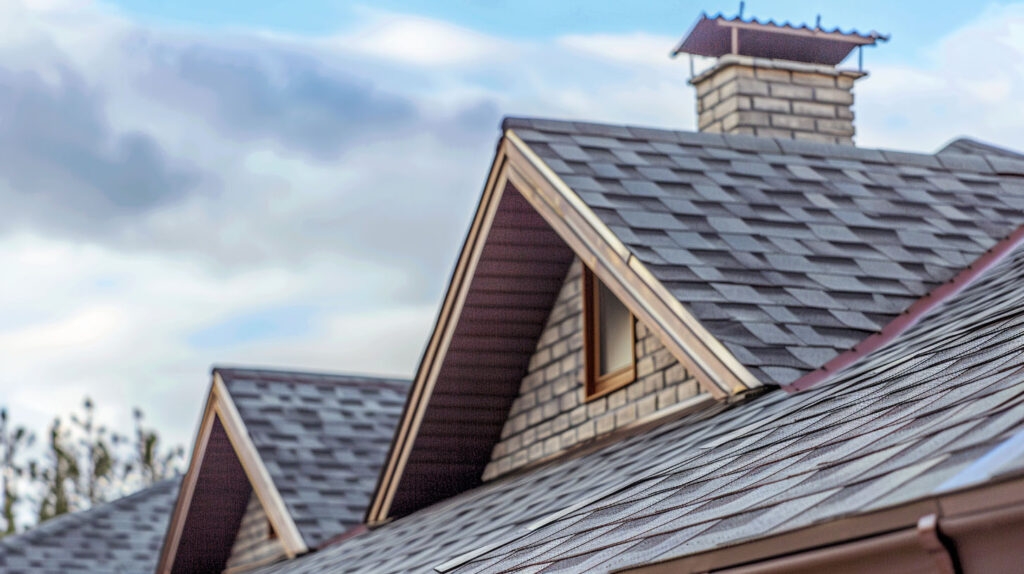
Most Common Signs of Moisture Problems Due to Poor Ventilation
Are you worried your roof might have poor ventilation? Your home often gives you clues when something is wrong. Telltale signs include visible mold growth or a persistent musty smell in your attic or on the upper floors.
You might also notice issues like wood rot on the structural beams or an unexpected increase in your energy bills. This happens because poor airflow harms your home’s energy efficiency and allows mildew growth to take hold. Let’s look at some of these signs more closely.
Visible Mold Growth and Musty Odors
Musty odors and visible mold growth are clear indicators of poor roof ventilation and moisture problems within a residential setting. Fungi thrive in damp environments, particularly in areas with inadequate airflow, leading to detrimental health risks and costly repairs. The persistent presence of humid air can significantly contribute to mold proliferation on the underside of the roof and attic insulation. Maintaining proper ventilation through intake and exhaust vents facilitates continuous airflow, helping to mitigate these unpleasant odors and mold growth effectively.
Wood Rot, Staining, and Structural Issues
Moisture problems can lead to severe wood rot and staining, jeopardizing the integrity of a home’s roofing system. When warm, humid air stagnates in the attic, it condenses on the cooler surfaces, promoting fungal growth and deterioration of roofing materials. Continuous airflow through proper roof ventilation mitigates these risks by expelling excess heat and reducing humidity levels. As a result, costly repairs and structural issues become avoidable, safeguarding the home’s overall health and longevity. Maintaining adequate ventilation is crucial for a sound roof.
Benefits of Proper Attic and Roof Ventilation
Investing in proper attic ventilation offers more than just damage prevention. It actively improves your home. A well-ventilated roof helps regulate your home’s temperature, boosts energy efficiency, and can significantly extend the life of your roofing materials.
Whether you use passive vents or powered attic fans, ensuring you have the right amount of ventilation for the square feet of attic space is key. This simple step protects your home and makes it a more comfortable place to live. Below, we’ll cover some of these key benefits in more detail.
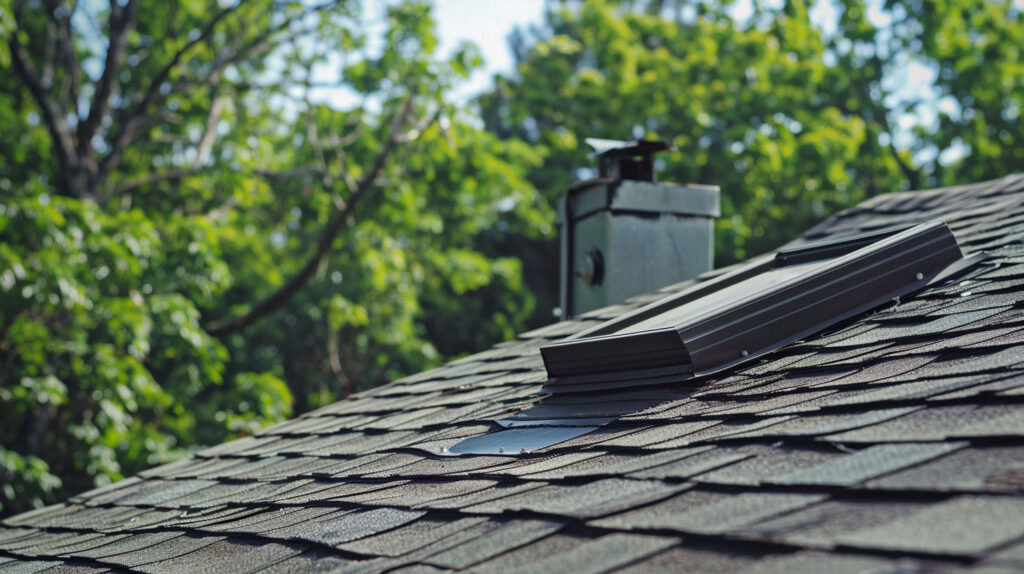
Roof Lifespan and Protection Against Ice Dams
Proper ventilation plays a crucial role in extending the lifespan of your roof while providing protection against ice dams. By facilitating continuous airflow, ventilation helps maintain optimal temperatures on the roof’s surface, preventing excessive heat buildup that can lead to premature deterioration of roofing materials. During colder months, adequate ventilation combats moisture problems, thus reducing the risk of ice dams forming at the eaves. This proactive approach not only enhances your home’s energy efficiency but also minimizes the need for costly repairs down the line.
Reducing Mold Risk and Improving Indoor Air Quality
Effective ventilation plays a crucial role in reducing mold risk by ensuring a continuous airflow within the attic space. By facilitating the exchange of warm and cool air, proper roof ventilation considerably lowers humidity levels, which helps to prevent excess moisture buildup. This proactive approach not only mitigates the conditions conducive to mold growth but also enhances indoor air quality. As a result, homeowners can enjoy a healthier living space while reducing potential health risks linked to poor ventilation and excessive dampness.
What’s Next
Ensuring adequate roof ventilation is crucial for moisture control and overall home maintenance. Our partnerships with leading brands like IKO, Owens Corning, Atlas, Euroshield, and Malarkey enable us to offer advanced roof ventilation systems that not only mitigate the risks of mold growth and wood rot but also enhance your home’s energy efficiency by promoting continuous airflow. By addressing signs of poor ventilation and investing in robust roofing solutions from these trusted manufacturers, homeowners can prevent costly repairs and structural issues while improving indoor air quality and comfort. Prioritizing ventilation safeguards your living space, particularly during those humid months of the year.
Frequently Asked Questions
What is the purpose of roof ventilation?
The main purpose of roof ventilation is to create continuous airflow through your attic space. Using intake vents to draw in cool air and exhaust vents to push out hot, moist air, this air movement helps regulate temperature and prevent moisture buildup.
Does ventilation prevent moisture?
Yes, absolutely. Effective attic ventilation is one of the best ways to prevent moisture buildup. By constantly circulating air, it removes warm air and lowers humidity levels before condensation can form on cool surfaces inside your attic.
What happens if a roof isn’t vented?
If a roof isn’t vented, moisture can accumulate, leading to mold growth, wood rot, and structural damage. Additionally, trapped heat can cause shingles to deteriorate prematurely and increase energy costs as the HVAC system works harder to maintain temperature.
Read our blog: What to Look for in a Roofing Warranty