
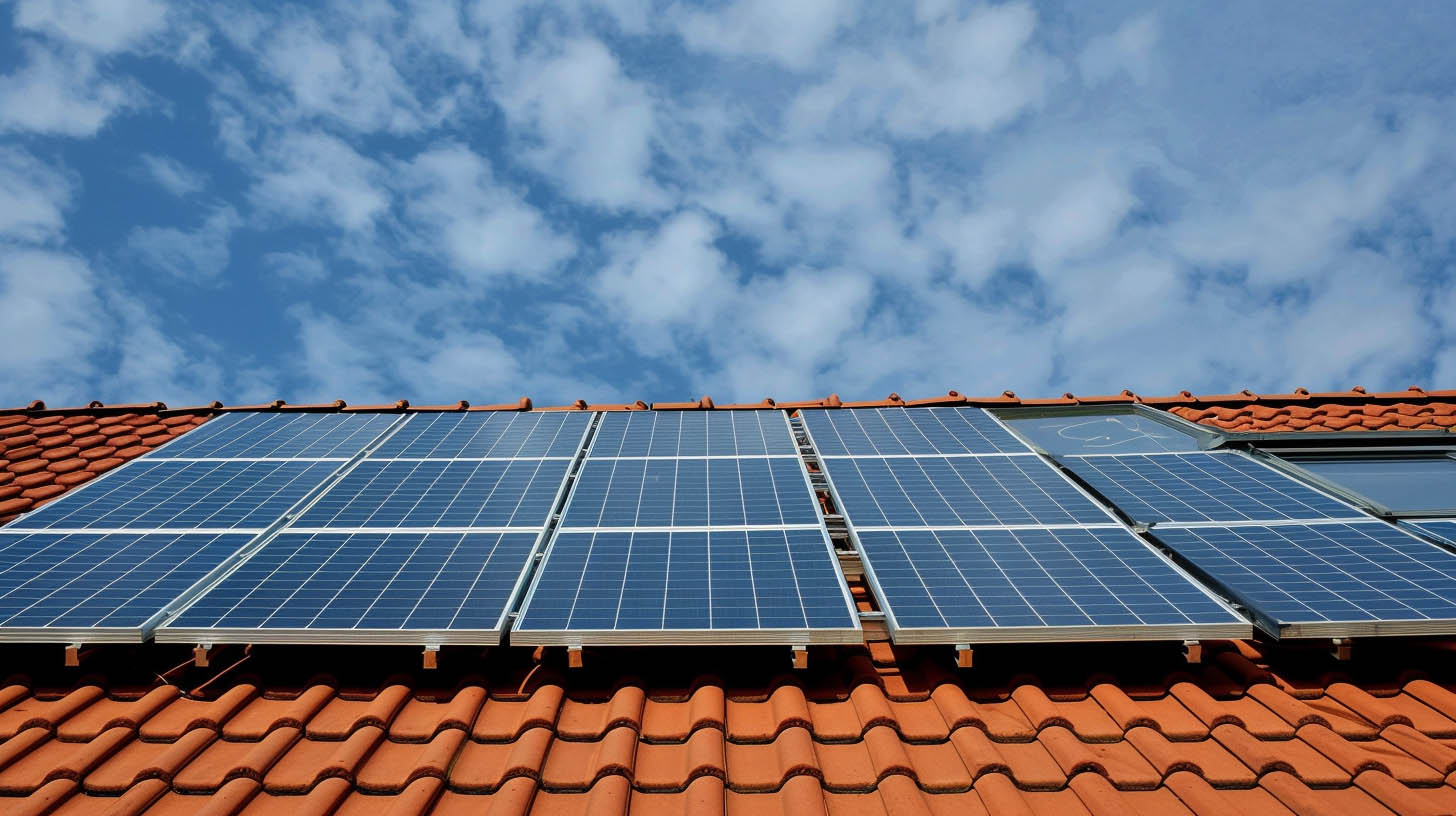
Thinking about switching to solar energy is an exciting step toward energy independence. However, the success of your solar panel installation depends heavily on the roofing material underneath. At Verity Roofing, we believe in thoughtful execution, and that starts with understanding how your roof affects energy production. We are here to help you navigate the options and ensure your Parker, CO home is fully prepared for a new solar energy system.
Key Factors Influencing Solar Panel Installation
Before a solar installer can begin work, several key factors related to your roof must be evaluated, including environmental factors. The type of roofing material, its current condition, and its ability to bear weight all play a significant role in the installation process. These elements directly influence the safety, cost, and long-term energy efficiency of your new solar panel system. Understanding these variables helps you make an informed decision and avoid future complications. From the structural strength of your home to the specific climate in Parker, CO, each detail matters. Let’s explore how your roof’s characteristics impact your journey toward harnessing solar energy.
Structural Strength and Load Capacity
Your roof’s main job is to protect your home. The best roof for adding solar panels means it must also support their weight, making structural integrity crucial. We need to confirm that your roof can safely handle this added load for years, avoiding damage or stress.
Different roofing materials distribute weight differently, affecting installation. Lighter roofs may need reinforcement, while stronger ones often require minimal changes. An expert assessment ensures your roof is ready for solar power generation. At Verity Roofing, we start with a thorough inspection to determine if your roof can support solar panels. This guarantees a safe installation and long-term protection for your home.
Roof Age, Condition, and Preparation
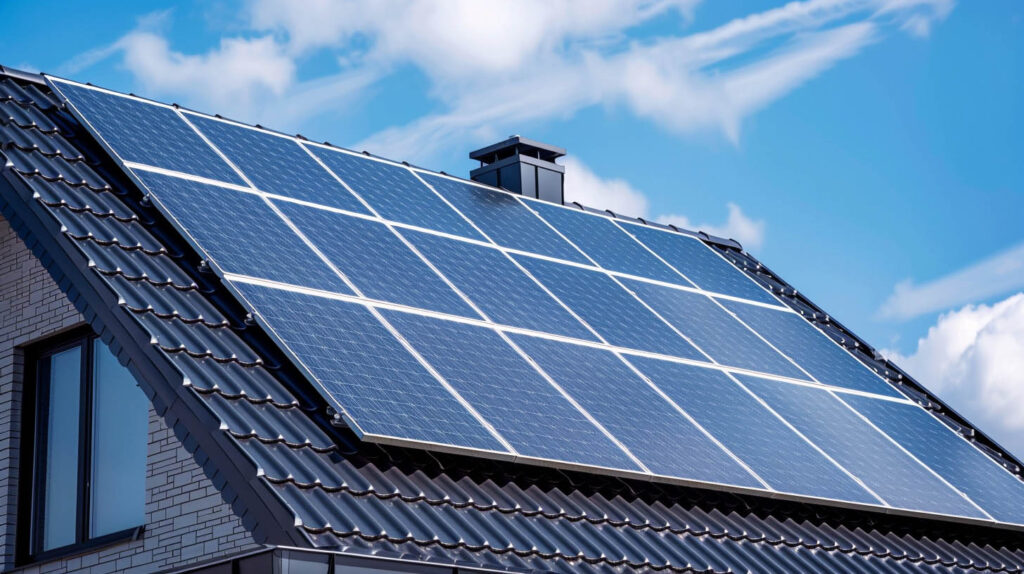
The age of your roof is key when installing solar panels, which last 25+ years. If your roof is old, replace it first, as a new roof may be needed to avoid future costs for removing and reinstalling panels during repairs. Replacing an aging roof before going solar aligns both lifespans and prevents disruptions. Have a professional inspect your roof for damage or issues. Fixing problems beforehand ensures a solid base for your panels and maximizes savings.
Climate Considerations in Parker, CO
In Parker, CO, roofs must handle heavy snow, strong winds, and intense sun—while supporting solar panels. The right materials improve snow shedding and winter energy output. A damaged roof risks leaks and can’t safely hold panels. Choosing the best roofing protects your home and boosts solar efficiency. As a veteran-owned company with IKO Roof Pro Select and CertainTeed Shingle Master certifications, plus a BBB A+ rating and HAAG/Atlas Silver standards, we deliver expert, professional roofing and solar installations.
Asphalt Shingles and Solar Panel Compatibility
Asphalt shingles are the most common roofing types in the U.S. and work well with solar panel installation. Experienced professionals can install panels easily while keeping your roof watertight and helping you save on energy. Since asphalt shingles often don’t last as long as solar panels, consider replacing your roof first if needed. Next, we’ll discuss specific techniques and considerations for installing solar on this roof type.
Mounting Techniques for Asphalt Shingle Roofs
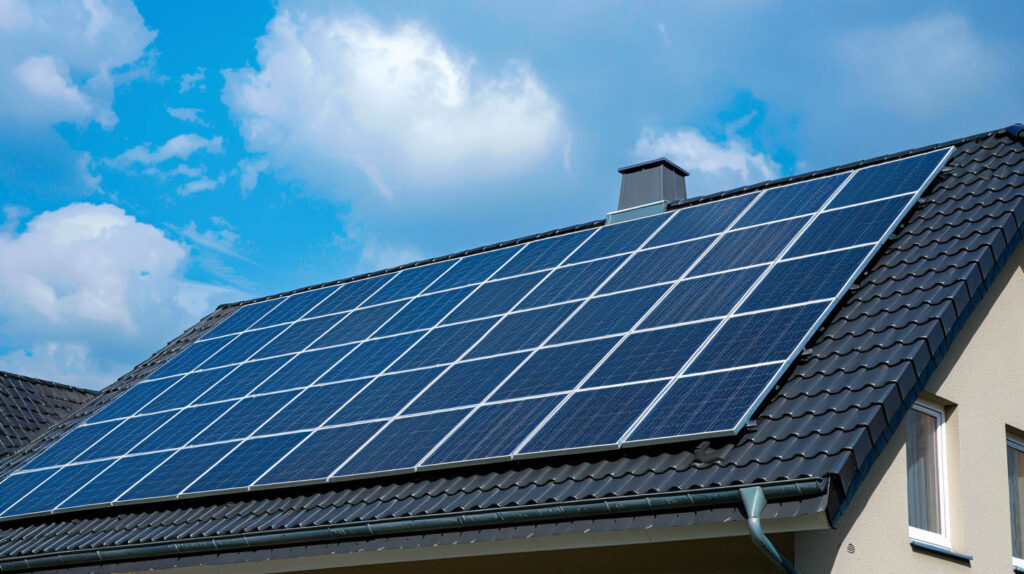
Mounting solar panels on asphalt shingle roofs requires specialized techniques to protect energy production and roof integrity. The first step is using mounting systems that distribute weight, along with lag bolts and flashing, which helps prevent water damage. Proper panel alignment for sun exposure and careful assessment of roof pitch are also essential. Following best practices ensures energy savings, extends the roof’s lifespan, and reduces future replacement issues.
Durability, Cost, and Maintenance Aspects
Durability is key when choosing roofing materials for solar panel installation. Options like metal or slate offer longevity, reducing replacements and aligning with the lifespan of solar systems. This boosts structural integrity and lowers long-term costs. Beyond upfront expenses, maintenance matters—especially for roofs like tile, which need regular inspections to prevent water damage. Considering each material’s long-term resilience can affect energy savings in the long run. Durable roofs mean lower energy costs and greater solar efficiency for homeowners.
Brand Partnerships: IKO, Owens Corning, Atlas, Malarkey
Strategic partnerships with top brands like IKO, Owens Corning, Atlas, and Malarkey improve solar panel installations. Their quality roofing materials support energy efficiency and reliable solar production. Using high-grade products ensures your roof structure’s strength and durability to handle solar panels.
These collaborations also let solar professionals offer complete solutions, guiding homeowners through installation and addressing challenges. Choosing the right mounting systems at an optimal angle is key to maximizing sun exposure and savings. Ultimately, working with trusted brands enhances both home aesthetics and solar system effectiveness—a smart investment for the future.
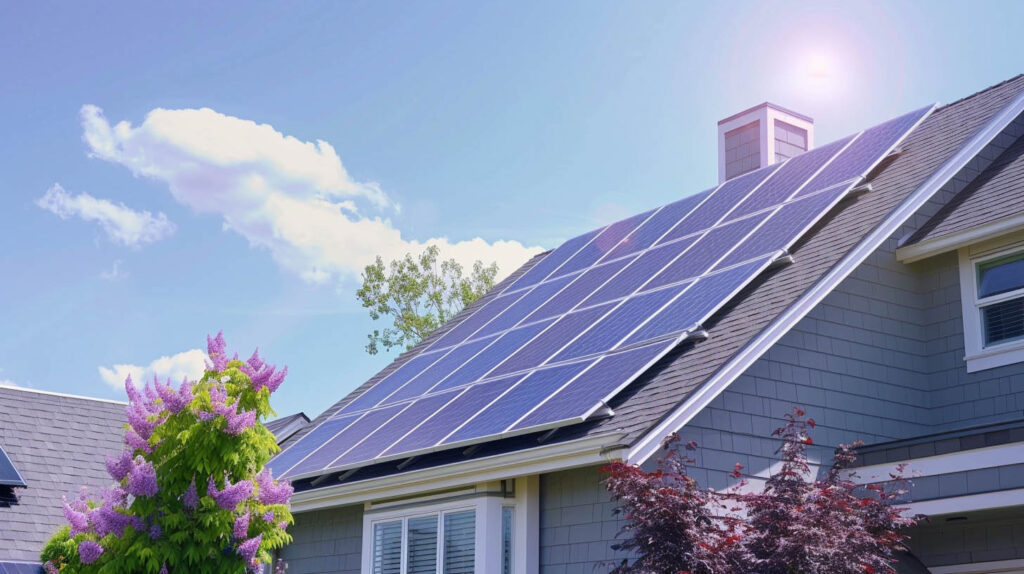
Metal Roofs and Solar
When it comes to solar compatibility, metal roofing is one of the best options available. A metal roof is incredibly durable and has a lifespan that often exceeds that of a solar system, making it a perfect partner for your renewable energy investment. Its structural integrity and smooth surface simplify the installation process significantly, particularly considering the additional weight from the solar panels. The benefits extend to energy efficiency and ease of installation, especially with standing seam metal roofs. In the following sections, we will explore why a metal roof is such a smart choice for homeowners in Parker, CO, who are planning to go solar.
Advantages of Installing Solar Panels on Metal Roofs
A metal roof offers key benefits for solar panel installation, boosting energy production. Its strong structure safely supports the panels and withstands harsh weather, including storms and heavy snow. The type of roof, particularly metal, offers a reflective surface that reduces heat absorption, improving solar system efficiency and lowering electricity bills. Metal roofs are also long-lasting, minimizing the need for replacement during the solar panels’ lifespan. Solar experts often recommend metal roofs as an ideal choice for sustainable energy solutions.
Special Considerations for Standing Seam Metal Roofs
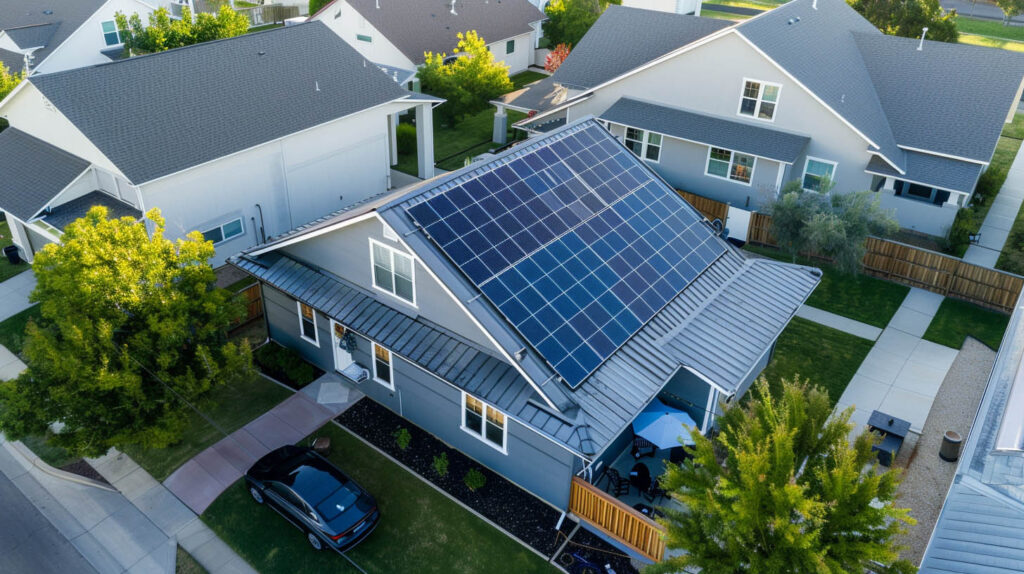
Standing seam metal roofs are ideal for solar panel installation due to their durability and long lifespan. Non-penetrating mounting systems are often used, protecting the roof from water damage and preserving its integrity. This method reduces stress on the roof and boosts solar energy production, unlike the process involving individual tiles which can be more delicate. Properly angled panels on these roofs capture the most sunlight, increasing system efficiency. For older homes, a roof inspection is crucial to assess structural support before installation.
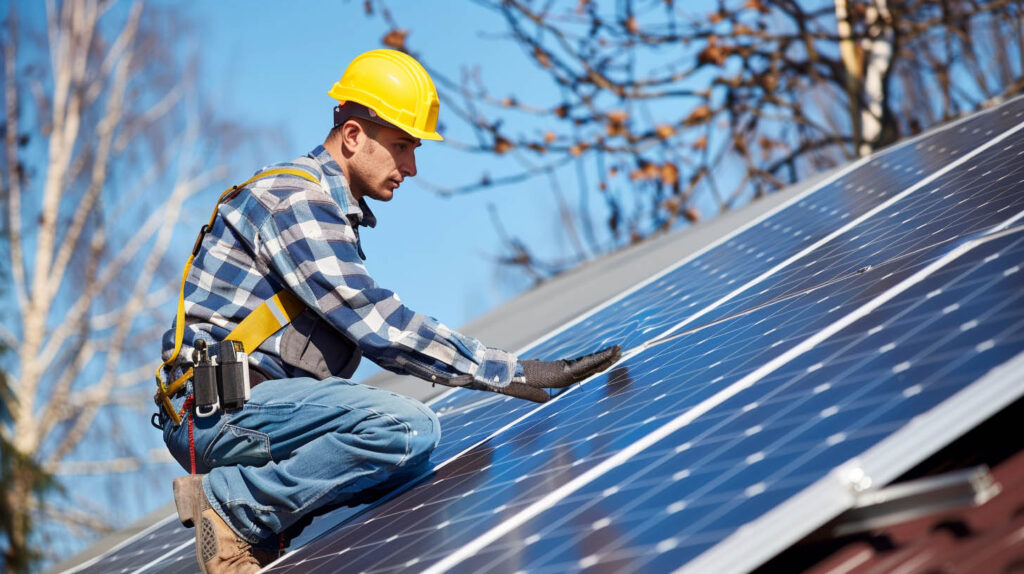
Longevity and Waterproofing with Metal Roofing
A common concern for homeowners is whether solar panel installation can damage their roof. With metal roofing materials, this risk is minimal. Metal roofs are highly durable and less prone to installation damage than asphalt or slate, providing strong protection for your solar investment. Metal roofing—especially standing seam roof material—often doesn’t require drilling, preserving the roof’s waterproof surface and virtually eliminating water damage risks. This helps protect your home’s structure long-term. Pairing solar panels with a metal roof creates a durable, reliable combination. The metal roof safeguards your home and keeps solar panels secure for decades.
Specialty Materials
In addition to common materials like asphalt and metal, some homes have specialty roofing such as TPO, EPDM, modified bitumen for flat roofs, or premium options like slate tiles and rubber. Installing solar on these surfaces requires specialized expertise to avoid damage. Each material presents unique challenges and opportunities for solar installation. Whether it’s adding angled mounts to a flat roof or carefully working with delicate slate tiles, Verity Roofing has the knowledge to provide the right solution. Next, we’ll explore these options in detail.
Flat and Low-Slope Roofs
Flat and low-slope roofs use materials like TPO, EPDM, and modified bitumen, each affecting solar panel installation differently. The roof’s structural integrity is crucial for supporting the weight of solar arrays, which is measured in pounds per square foot. Installers assess the surface to ensure it can handle panels without risking damage or reducing energy efficiency.
Preparation involves a thorough inspection for water damage or leaks that could impact the system’s lifespan, particularly if a roof replacement is needed. Following best installation practices—especially on flat roofs—maximizes sun exposure, optimizes panel placement, and improves energy production for a more efficient solar investment.
Slate and Rubber: Challenges and Solutions for Solar Installation
Slate is a beautiful, durable roofing material, but its brittleness makes solar panel installation difficult. Walking on or drilling into slate, similar to how clay tiles can be problematic, can cause cracks, leaks, and costly repairs. Improper installation risks damaging your roof. Many installers avoid slate roofs and tile roofs for solar panels, but with specialized techniques and skilled professionals, installation is possible. Custom mounts must anchor to the roof deck without harming the tiles, requiring precision. Rubber roofs like Euroshield also need specific adhesives or hardware.
Connect With Us
Understanding how roofing materials and types of roofs affect solar panel installation is essential for Parker, CO homeowners. Each roof type—whether asphalt shingles, metal, TPO, or slate—has unique considerations like structural strength and local climate. Choosing the right material optimizes your solar system’s performance and lifespan. At Verity Roofing, we ensure quality work and keep you informed every step of the way. Ready to see how solar panels can fit your roof? Contact us today for a consultation!
Read our blog: Choosing Between Repair and Replacement: A Cost-Benefit Breakdown
Frequently Asked Questions
What signs indicate my roof is ready for solar panel installation?
A roof is generally ready for solar panel installation if it is less than 10 years old, shows no signs of damage like leaks or missing shingles, and has the structural integrity to support the extra weight of solar panels. A professional roof inspection is the best way to confirm its condition.
What is the 33% rule in solar panels?
The “33% rule” is not a universal standard but can refer to specific local or utility regulations in the United States. For example, some rules may limit the size of a new solar energy system to not exceed a home’s historical energy production by a certain percentage, such as 33%.