
Talking about your roof can be confusing with all the special roofing terminology. At Verity Roofing, we believe in being transparent and empowering you with knowledge. Our mission is to build trust with every nail we drive. This guide will help you understand the language of roofing, so you feel informed and valued during your next roofing project in Parker, CO, and can communicate all your roofing needs.
Essential Roofing Terminology for Parker, CO Homeowners
To begin, it helps to think of your roof as a complete system with many layers. Each part, from the roof structure and roof trusses to the final roof covering, works together to protect your home. Understanding these common roofing terms is the first step toward making confident choices about your property. Below, we’ll explore the foundational elements of your roofing system. These include the roof deck, the underlayment that sits on top of it, and other critical barriers that keep your home safe and dry.
Roof Deck and Sheathing Explained
The roof deck, made from plywood or OSB, is the foundation of your roofing system. Attached to roof trusses, it supports all roofing materials and protects your home. Think of it as your roof’s skeleton—without a solid deck, the entire system fails. During replacement, we inspect for rot or weakness to ensure a sturdy base. A healthy roof deck is crucial for a durable, long-lasting roof in your Parker, CO home. It provides a stable surface for every layer and is the key to reliability.
Understanding Underlayment and Its Role
Underlayment is a vital roofing layer that serves to protect against water infiltration and significantly strengthens the overall structure of the roof. It is strategically placed between the roof deck and the shingles, effectively managing moisture and preventing potential water damage. Homeowners have options, including synthetic and felt underlayments, each tailored to specific needs and conditions. Additionally, proper ventilation is essential for controlling moisture levels, while regular maintenance is crucial for ensuring long-lasting protection and preserving your roof’s appearance over time.
What Is Flashing and Why It Matters
Flashing is a key protective layer in roofing, installed around chimneys, vents, and skylights to prevent water leaks. Usually made of metal, it directs water away from vulnerable areas. Proper flashing maintains the structural integrity of roofs; poor installation or neglect can cause water damage and expensive repairs. Consulting roofing professionals about flashing placement and materials ensures durability and energy efficiency. Regular inspection and maintenance are essential for a long-lasting roof.
Ice and Water Shield: Protection for Colorado Roofs
Installing an ice and water shield is essential for Colorado homeowners. This specialized underlayment protects vulnerable areas like eaves and valleys from moisture and helps prevent ice dams, preserving your roof’s structural integrity. Using quality materials and professional installation ensures long-lasting protection and improved energy efficiency, safeguarding your home from water damage year-round. Regular maintenance keeps your roof resilient against the elements.
Key Roof Edges and Features
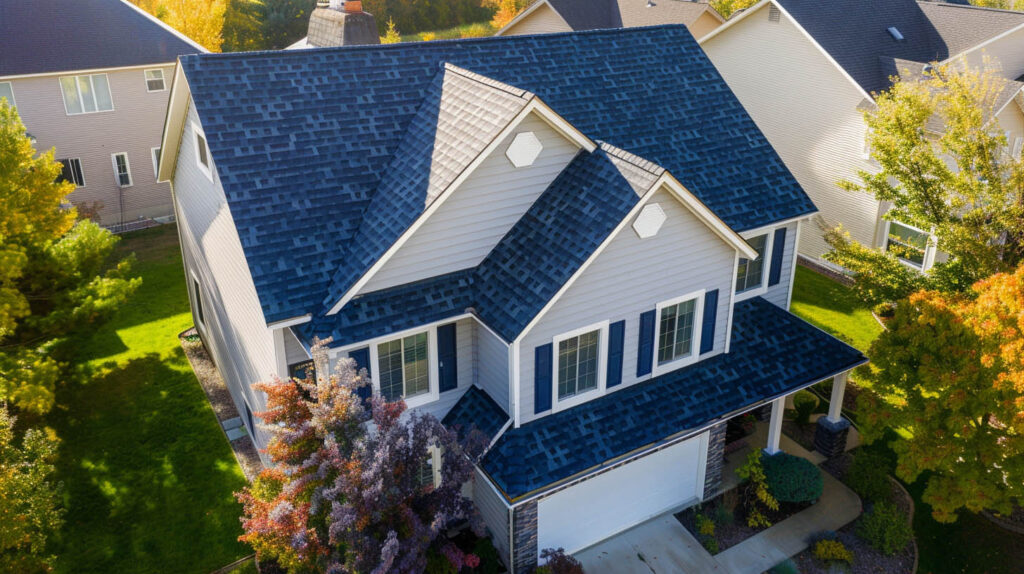
Now that we’ve covered the foundational layers, let’s look at the edges of your roof. The roof edge is where many components come together to protect your home and direct water away. These features are critical for preventing rot and maintaining the finished look of your house. In the next sections, we’ll define the lower edge of the roof and other important features. You’ll learn about rakes, eaves, soffits, and the fascia board, all of which play a role in a well-built roofing system.
Rakes, Eaves, and Their Purposes
Rakes and eaves are key parts of a roofing system. Rakes are the sloped edges of a gable roof, guiding water runoff away from the structure and boosting curb appeal. Installing metal flashing at rakes helps prevent water damage. Eaves are the overhanging roof edges that protect walls and windows from rain and ice. Both rakes and eaves support structural integrity, improve energy efficiency, and allow for proper ventilation.
Defining Soffit and Fascia on Residential Roofs
Soffit and fascia are essential to your roofing system, supporting both aesthetics and structural integrity. The soffit, under the roof overhang, ventilates the attic to reduce moisture and prevent damage. The fascia, at the roof’s edge, serves as trim that shields against water infiltration and gives a polished appearance. Properly installed soffit and fascia boost energy efficiency, improve curb appeal, protect against weather and pests, and extend your roof’s lifespan.
Drip Edge: Importance for Preventing Water Damage
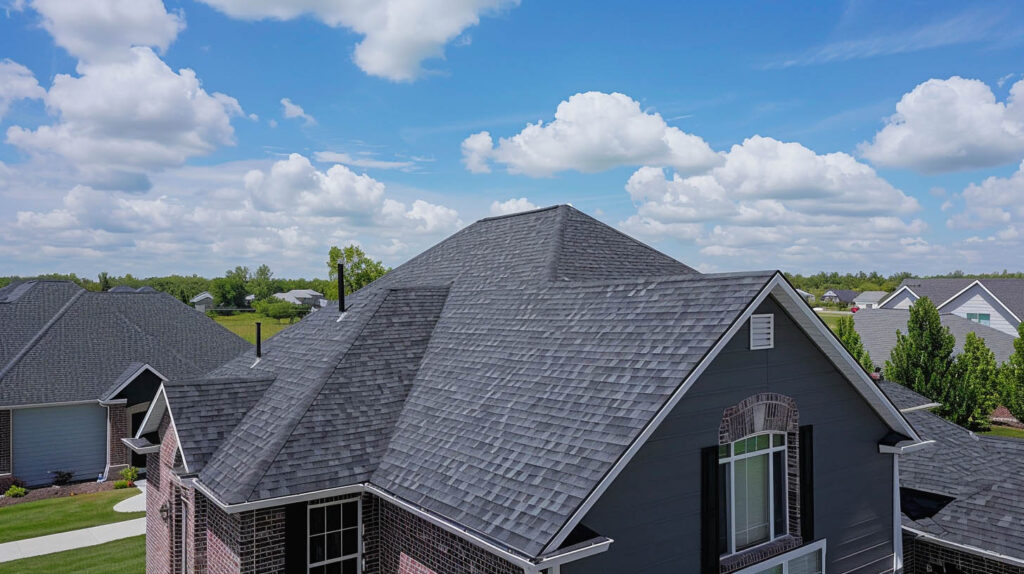
A drip edge is a metal flashing installed along roof eaves to direct water into gutters and protect the roof decking and exterior walls from water damage. Without it, water can seep under roofing materials, causing structural issues, mold, and costly repairs. A properly maintained drip edge also improves energy efficiency by reducing ice dam formation in winter. Regular upkeep helps prevent expensive roofing problems and ensures the durability of shingles and the entire roofing system.
Main Roofing Materials Used by Verity Roofing
Choosing your roofing materials is a major decision in any roof replacement. The material you select affects your home’s appearance, durability, and energy efficiency. As a certified installer for top brands like IKO, Owens Corning, and Atlas, we offer a wide range of options to fit your needs. From popular asphalt shingles to long-lasting metal roofing and options for commercial roofing, we have you covered. Let’s explore some of the high-quality materials we work with to protect homes in Parker, CO.
Asphalt Shingles Versus Slate Tile Shingles
Asphalt shingles are a cost-effective, versatile roofing option favored by homeowners. Lightweight and easy to install, they come in various colors and styles that enhance curb appeal. Their durability in different weather conditions ensures reliable performance and structural integrity.
Slate tile shingles offer a more luxurious choice, valued for their durability and elegant appearance. They resist water and fire, often lasting for decades with little maintenance. However, installation is complex due to their weight and fragility, requiring skilled professionals. Knowing these differences helps homeowners choose the right roofing for their needs.
Metal Roofing: Standing Seam for Durability
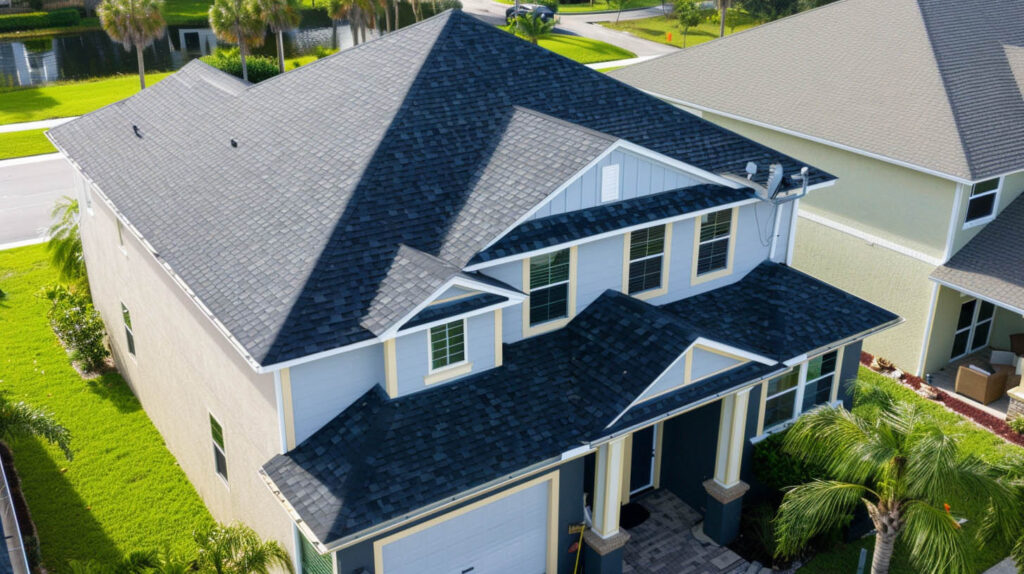
Standing seam metal roofing features a unique, durable design with vertical panels joined at raised seams for efficient water drainage and reduced risk of leaks. Its seamless connections boost structural integrity and resist harsh weather—ideal for Parker, CO homeowners.
Standing seam metal roofing also reflects sunlight, helping stabilize indoor temperatures and lower energy costs. Professional installation means minimal maintenance, letting homeowners focus elsewhere. Knowing these benefits helps you make informed choices for residential or commercial roofing projects.
TPO, EPDM, Modified Bitumen, and Rubber Options
Flat roofing systems offer versatility with materials like TPO, EPDM, and modified bitumen, each suited to different needs. TPO is energy efficient and heat-reflective, making it popular for homes and businesses. EPDM stands out for its durability and weather resistance. Modified bitumen offers strong protection and easy installation, while rubber roofing is valued for its flexibility. Consulting experienced roofing professionals helps ensure you choose the best material for optimal performance and protection.
Roofing Structure and Shape Terminology
The shape and structure of your roof play a big role in its performance and appearance. Understanding terms related to the roof structure, like roof pitch and different roof sections, will help you better visualize your roofing project. These elements define how your roof sheds water and handles weather.
Let’s look at some of the most common terms you’ll hear when discussing your roof’s design. We’ll explain the meaning of gables, hips, valleys, and ridges, all of which are key to your roof’s architecture.
Gable, Hip, and Valley Explained
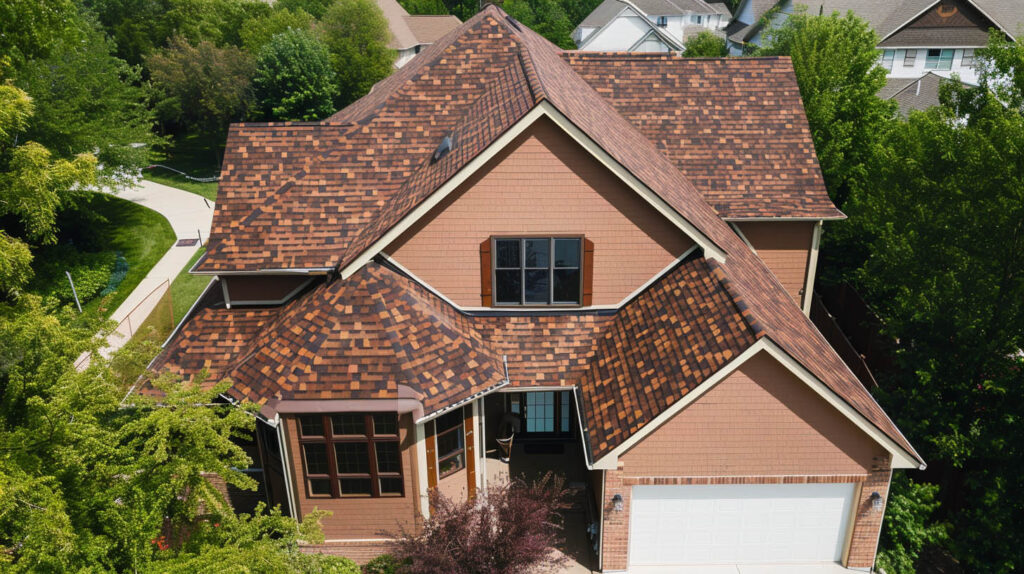
Understanding roof styles like gable, hip, and valley is key to grasping roofing terminology. Gable roofs have two sloping sides meeting at the top, allowing efficient drainage and reducing water damage risk. They often use architectural shingles for added strength and visual appeal.
Hip roofs slope on all four sides, providing greater stability and weather resistance. Valleys—the internal angles where roof slopes meet—are prone to leaks and need proper flashing. Correct installation and upkeep of these features are crucial for a roof’s durability and performance.
Roof Ridge and Ridge Vent Meaning
Understanding the roof ridge and ridge vent is essential for your roof’s longevity and strength. The roof ridge is the highest point where two slopes meet, forming a peak that enhances both appearance and performance. A ridge vent runs along this peak, allowing heat and moisture to escape from the attic, which helps prevent water damage and improves energy efficiency. Regular maintenance of these components keeps your roof secure and extends its lifespan.
Exploring Roof Pitch and Its Impact
Roof pitch is the slope of a roof, measured as the ratio of vertical rise to horizontal span. Factors like climate, building design, and local style determine the ideal pitch. Steeper roofs improve water drainage and prevent damage from leaks and ice dams, while lower pitches can boost energy efficiency—especially on flat roofs where ventilation matters. Understanding roof pitch helps homeowners choose materials and styles that fit their needs, ensuring a durable and lasting home.
What’s Next
Understanding roofing terminology helps Parker, CO homeowners make informed decisions. Knowing key terms like roof deck, underlayment, flashing, and materials lets you communicate effectively with professionals such as Verity Roofing. As a Veteran-Owned Business with an A+ BBB rating, we’re committed to quality and your satisfaction—“Thoughtful Execution From Every Nail.” If you have questions or need guidance, contact us anytime.
Read our blog: How Roofing Materials Affect Solar Panel Installation
Frequently Asked Questions
What is the purpose of a roof ridge?
The roof ridge is the highest point of a sloped roof where two sides meet. Its main purpose is to provide structural support. It is also the ideal location for ridge vents, which allow for proper ventilation of your attic, releasing heat and moisture from the roofing system.
What does ‘flashing’ refer to in roofing terminology?
Flashing is a thin, waterproof material, usually metal flashing, installed in vulnerable areas to prevent water damage. It directs water away from joints around chimneys and vents, sealing spots that are prone to leaks. It’s a key detail in any quality roof replacement.