
Choosing the right material for your property’s flat roof can feel overwhelming. Two leading options, EPDM roofing and TPO roofing, each offer unique benefits. At Verity Roofing, we take pride in being a Veteran Owned company that prioritizes quality and trust. Our accolades, including IKO Roof Pro Select and Certinteed Shingle Master certifications, reflect our commitment to excellence. Additionally, our BBB A+ rating and HAAG certification demonstrate our dedication to customer satisfaction. We are also recognized with the Atlas Silver award, underscoring our expertise in roofing solutions. Our mission is to build trust by treating every roof as our own in Parker, CO. This guide will walk you through the differences between these two popular choices for flat roofs so you can make a confident decision.
Overview of Flat Roofing Systems for Residential and Commercial Properties
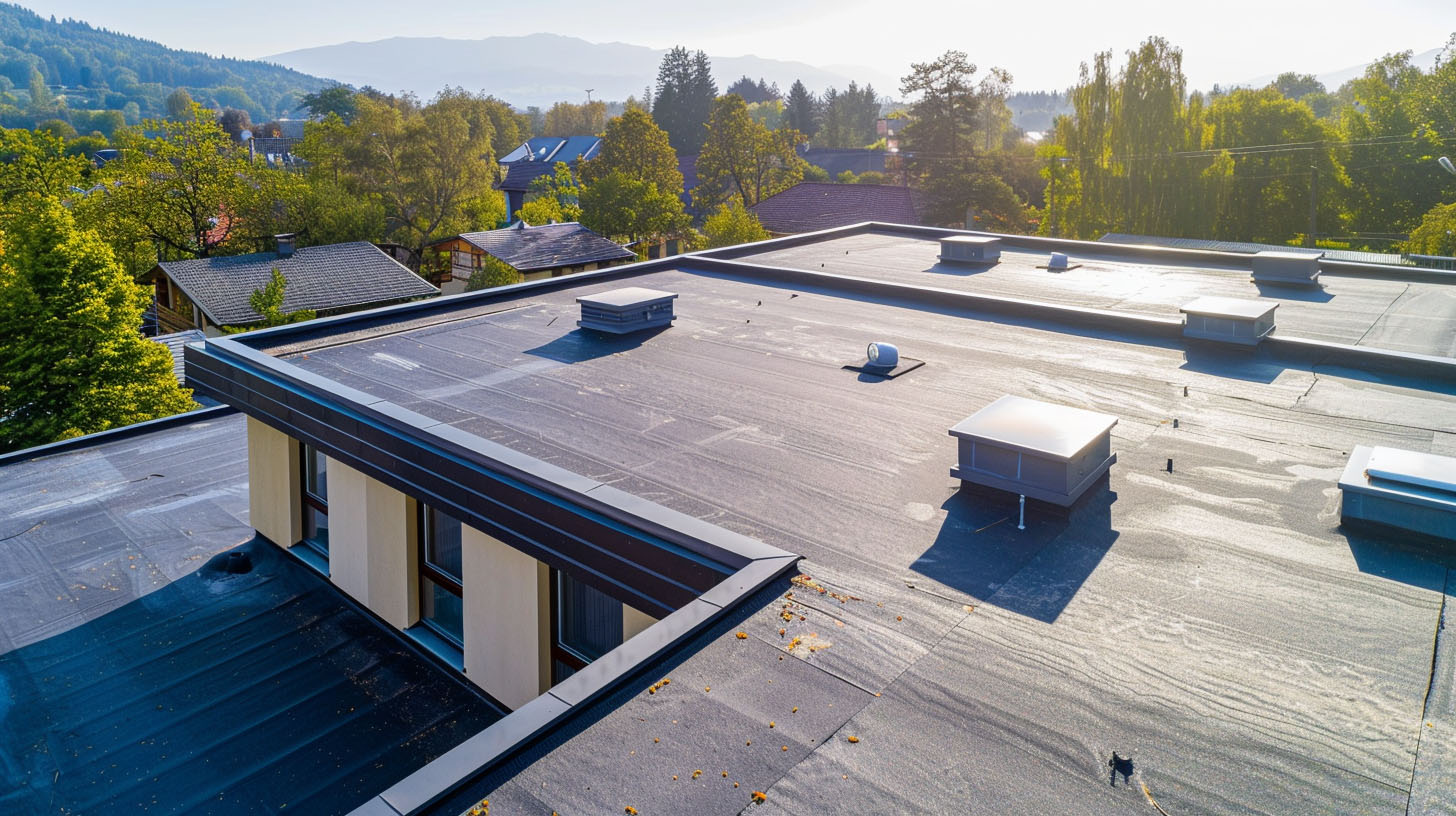
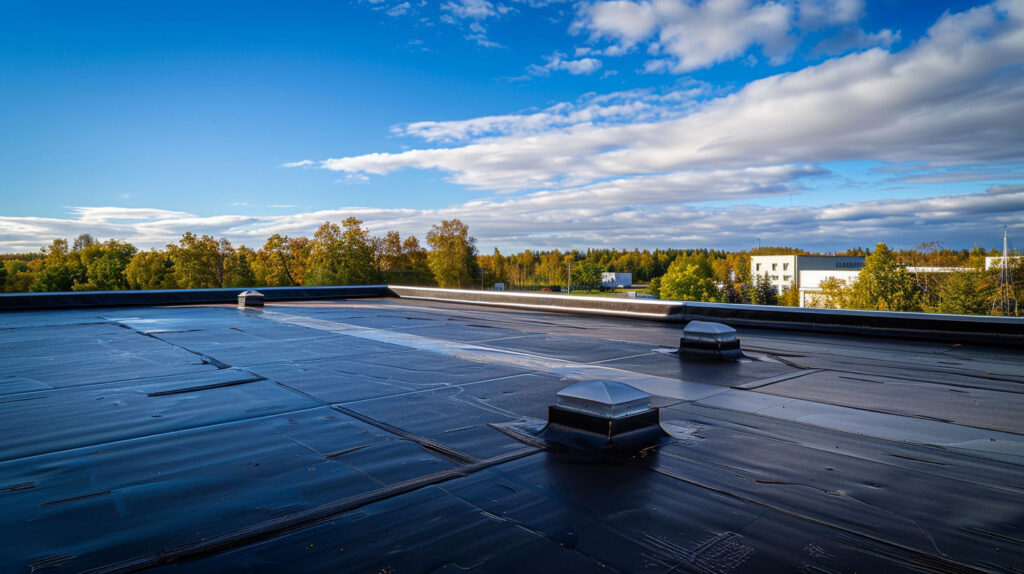
Flat roofing systems offer versatile solutions for both residential and commercial properties. These roofs, characterized by their low slope, can utilize various synthetic materials, including ethylene propylene diene terpolymer (EPDM) and thermoplastic polyolefin (TPO). Each material presents unique advantages, from excellent UV resistance and durability to energy efficiency and low maintenance requirements. Ideal for structures with larger flat roofs, the selection of roofing membranes ultimately depends on factors like climate, foot traffic, and long-term insulation needs.
What Makes Flat Roofs Unique Compared to Pitched Roofs?
Flat roofs provide distinct advantages, such as easier access for maintenance and installation of HVAC systems. They offer a modern aesthetic and maximize usable space, making them ideal for urban environments. Additionally, flat roofs have unique drainage systems to effectively manage water runoff.
Common Materials Used in Flat Roof Construction
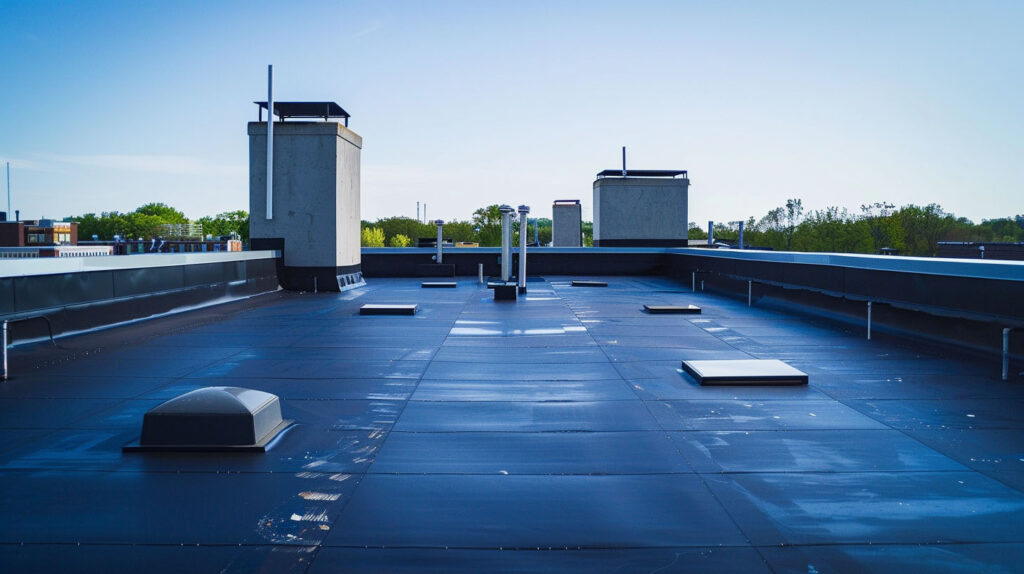
Several key materials dominate the construction of flat roofs, providing both durability and efficiency. Ethylene propylene diene terpolymer (EPDM) is renowned for its flexibility and UV resistance, making it an ideal choice for diverse climates. On the other hand, thermoplastic polyolefin (TPO) membranes offer energy efficiency and lightweight properties, often preferred for commercial roofing solutions. Additionally, synthetic rubber and fiberglass contribute to the overall robustness of flat roofing systems, ensuring long-lasting performance and lower maintenance needs over time.
EPDM Roofing Membranes Explained
EPDM (ethylene propylene diene monomer) is a type of synthetic rubber that has been a trusted choice for roofing membranes for over 60 years. This roofing material is known for its incredible durability and flexibility, making it one of the most reliable commercial roofing solutions available.
Because of its proven track record, EPDM is an excellent choice for flat roofs. It provides a long-lasting, watertight seal that can withstand extreme weather. Though it often costs less per square foot than some alternatives, its value truly shines through its long lifespan.
Key Features and Advantages of EPDM Roofs
Durability stands out as a key feature of EPDM roofs, thanks to the ethylene propylene diene terpolymer formulation that helps withstand UV rays and extreme weather conditions. This synthetic rubber material is also highly resistant to foot traffic and punctures, making it ideal for commercial roofing solutions. Additionally, the easy installation process and relatively low maintenance requirements contribute to the appeal of EPDM roofing systems. Business owners often appreciate the long lifespan of EPDM, ultimately making it a smart investment for flat roofing applications.
Installation Process and Maintenance Tips for EPDM
The installation of EPDM roofing involves preparing the flat surface, followed by laying out the ethylene propylene diene terpolymer membranes. Using specialized adhesives, seams must be securely bonded to prevent future leaks. Regular maintenance is essential; periodic inspections for cracks or punctures help ensure long-lasting durability. Employing UV protection measures can enhance the lifespan of EPDM roofs, particularly in regions with intense sun exposure. Additionally, keeping drainage systems clear reduces potential water pooling and prolongs the integrity of the roofing membranes.
TPO Roofing Membranes Explained
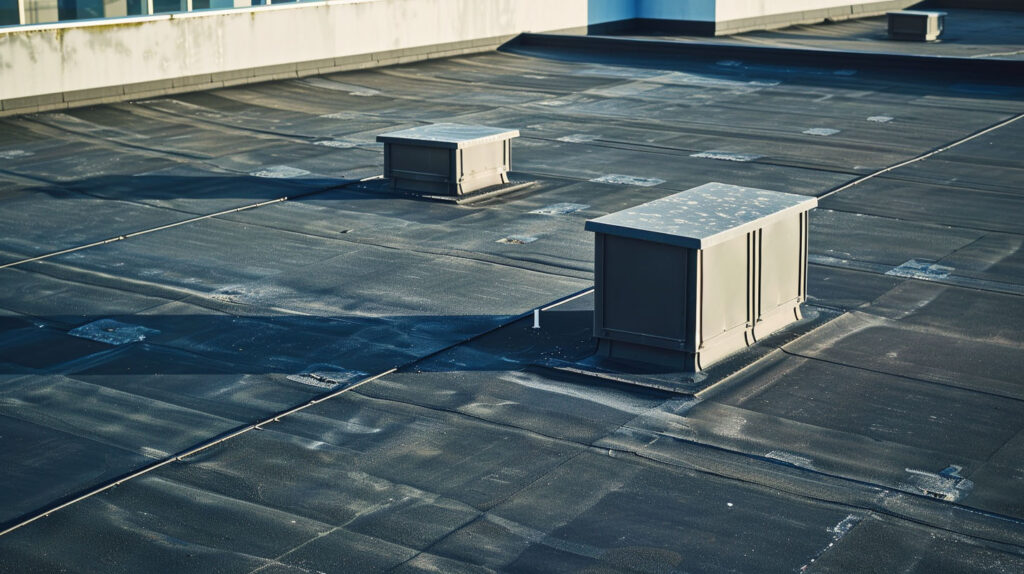
TPO, which stands for thermoplastic polyolefin, is a newer single-ply roofing membrane that has quickly become popular for commercial buildings. TPO membranes are known for their strong, heat-welded seams and excellent energy efficiency, making them a leading choice in modern roofing systems.
A TPO roof is highly reflective, especially in its common white or light colors. This reflectiveness helps reduce heat absorption on a larger flat roof, which can lower a building’s cooling costs. This makes it a very energy-efficient option, particularly in warmer, sunnier climates.
Standout Benefits and Considerations of TPO Roofs
Thermoplastic polyolefin offers numerous advantages for flat roofing systems. Its reflective surface enhances energy efficiency, significantly reducing heat absorption and utility costs. Lightweight yet durable, TPO membranes require less structural support, making them ideal for various commercial buildings. However, it’s essential to consider potential downsides, such as the impact of UV radiation on longevity compared to EPDM. Proper installation and maintenance are vital to maximizing lifespan and ensuring that seams and flashings remain watertight against leaks.
What’s Next
The choice between EPDM and TPO roofing systems ultimately hinges on specific needs and environmental factors. Each material showcases distinct advantages, from the durability and lifespan of EPDM to the energy efficiency and UV resistance of TPO. Understanding the characteristics of each synthetic rubber material empowers business owners to make informed decisions. Our partnership with trusted brands such as IKO, Owens Corning, Atlas, Euroshield, and Malarkey enhances our offerings, providing high-quality options for flat roofing solutions. Consulting with a knowledgeable roofing contractor can guide the selection process, ensuring the right flat roofing material is chosen for optimal performance and longevity for any commercial property.
Frequently Asked Questions
What is the difference between EPDM and TPO flat roofing?
The primary difference is the material. EPDM is a flexible synthetic rubber, while TPO is a thermoplastic polyolefin. This affects their installation, with EPDM using adhesives for its seams and TPO using heat-welding. Their energy efficiency and durability characteristics also differ.
Is EPDM good for flat roofs?
Yes, EPDM roofing is an excellent option for flat roofs. This synthetic rubber material is celebrated for its exceptional durability, flexibility in extreme temperatures, and a proven lifespan that often exceeds 30 years, making it a reliable and cost-effective choice.
Read our blog: Rubber Roofing: When and Why It’s the Right Choice