
At Verity Roofing, we understand the importance of maintaining the integrity of older homes. A roofing project on an older home requires a thoughtful approach that balances preserving its architectural character with ensuring it remains safe, functional, and protected for years to come. Our team is dedicated to providing expert solutions tailored to the unique needs of historic properties in Parker, CO. As a Veteran Owned business, we take pride in our commitment to excellence, backed by our achievements as an IKO Roof Pro Select and Certinteed Shingle Master. We also hold a BBB A+ rating, reflecting our dedication to customer satisfaction, and are recognized by HAAG and as an Atlas Silver contractor, ensuring that your historic home receives the highest quality of care and craftsmanship.
Understanding Historic and Older Home Roofing Needs
The roof on your historic home contributes significantly to its overall style and authenticity. When considering repairs or replacement, the main challenge is to honor the original design while meeting today’s performance standards. Using the wrong roofing material can diminish your home’s character and potentially violate local preservation standards.
Choosing the right approach involves understanding the home’s architectural style and the unique requirements of working with a historic structure. The goal is to find a solution that offers modern durability without sacrificing the original design that makes your home special.
Key Architectural Styles and Their Roofing Characteristics
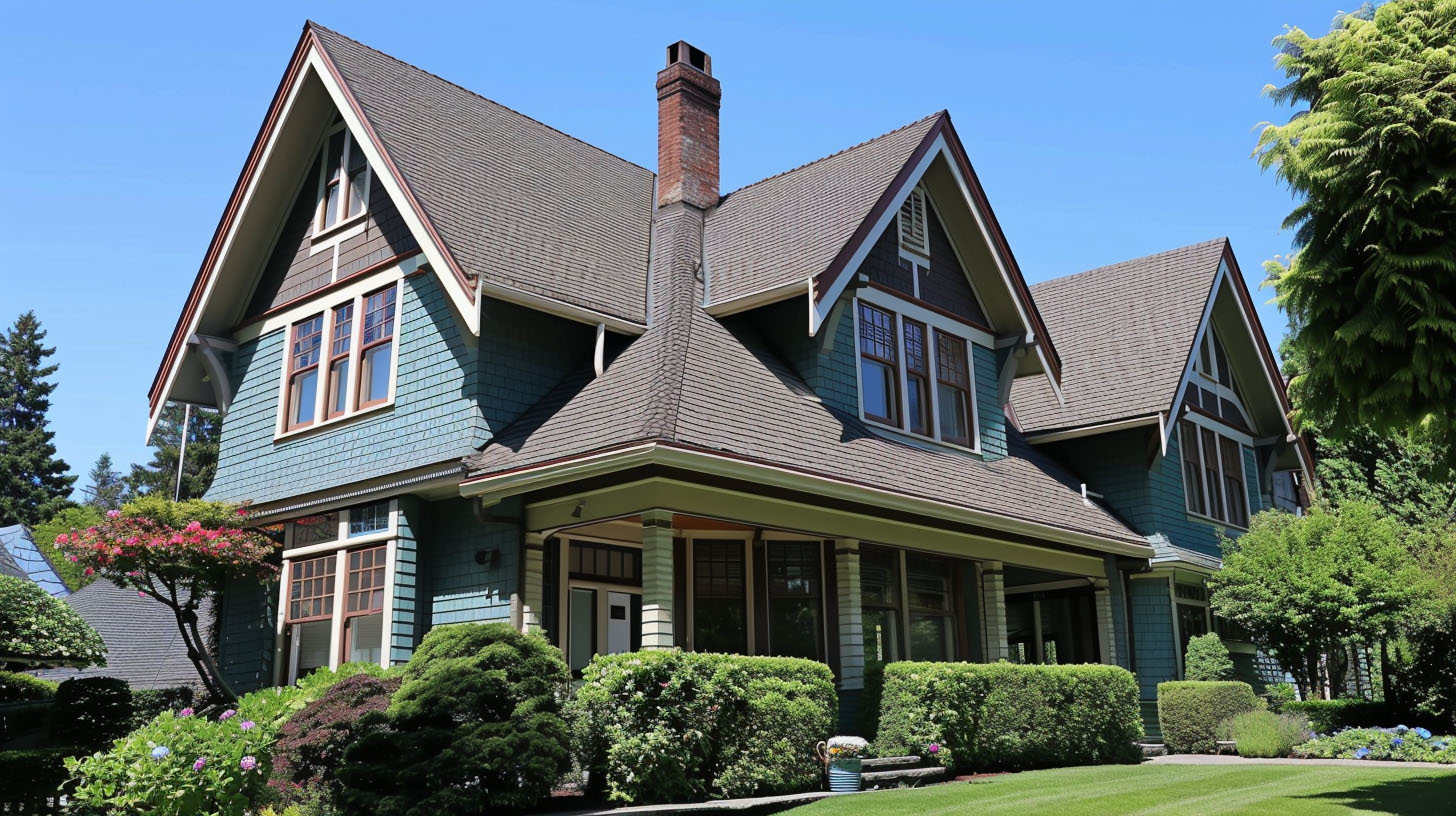
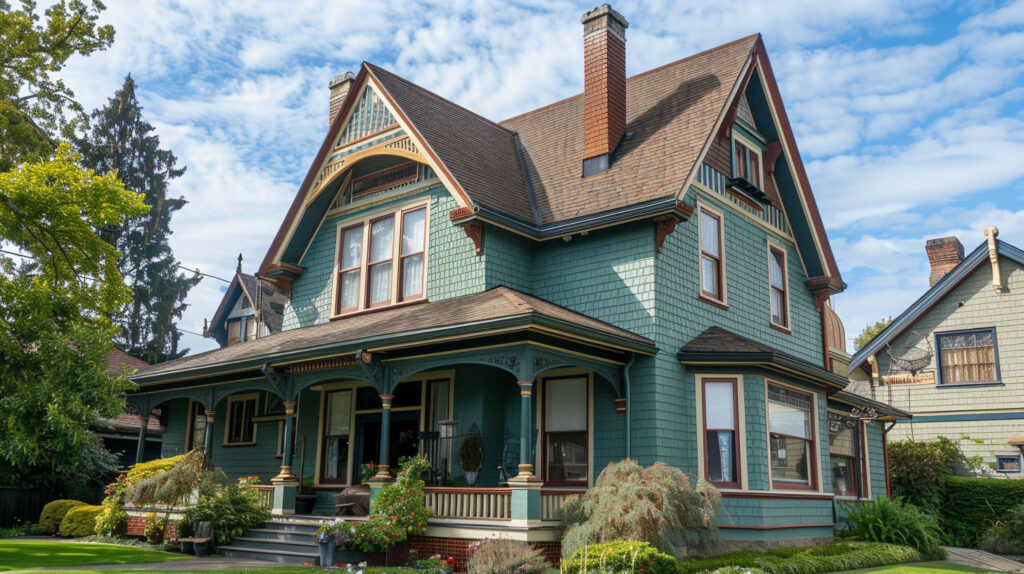
Distinct architectural styles of historic homes come with unique roofing characteristics that reflect their era. For instance, Gothic Revival houses often feature steeply pitched roofs adorned with slate shingles, contributing to their dramatic silhouette. In contrast, American Craftsman homes typically showcase low, gable roofs with overhanging eaves and wood shakes, emphasizing their handcrafted aesthetic. Recognizing these features is crucial for maintaining the architectural integrity and historical accuracy in the restoration process, ensuring compatibility with preservation guidelines and standards.
Unique Challenges of Roofing Historic Properties
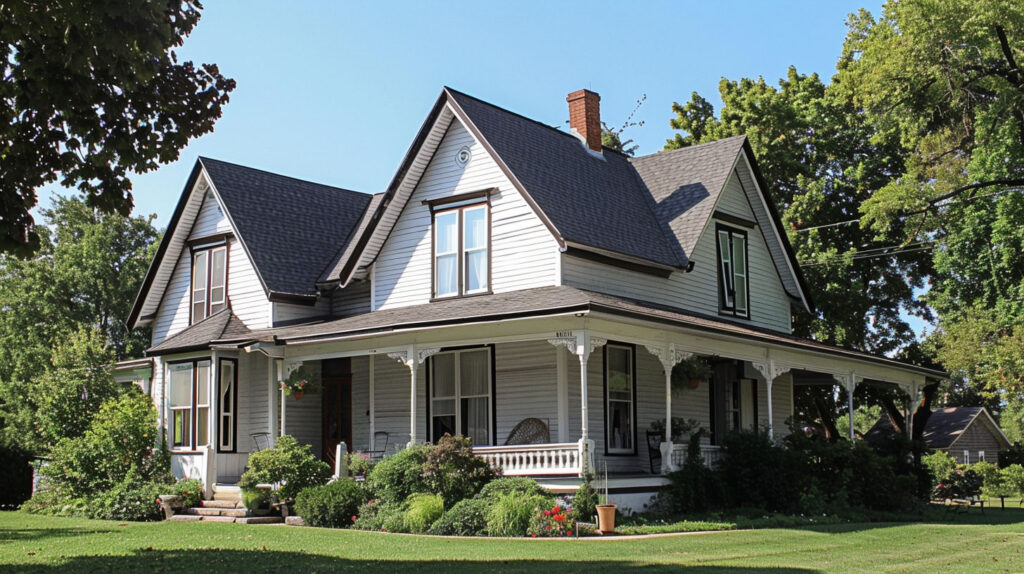
Historic properties present distinct challenges during roofing projects. Navigating preservation requirements demands a thorough understanding of architectural integrity and the original roofing materials used. Additionally, adherence to preservation guidelines is crucial; using wrong roofing materials can compromise the building’s historic character and violate regulations. The installation techniques require specialized skills to maintain historical accuracy while addressing structural issues safely. Engaging with preservation societies can provide valuable insights throughout the roofing process, ensuring the project respects the historical significance and aesthetic of the property.
Preserving Original Features
Maintaining original features in roof design is crucial for upholding the architectural integrity of historic properties. Emphasizing the use of traditional materials—such as slate, wood shakes, or clay tile—ensures historical accuracy while enhancing aesthetic appeal. Careful planning during the roof replacement process includes adhering to preservation guidelines, which require using roofing materials reflective of the home’s history. Engaging with local preservation societies can provide valuable insights into approved installation techniques, ensuring the roof retains its unique character for future generations.
Assessing the Condition of an Existing Historic Roof
Before you can decide whether to repair, restore, or replace older roofs, a thorough assessment is essential. Historic roofs can hide problems that aren’t visible from the ground, including structural issues with the underlying roof structure. Time and weather can take a toll, leading to deterioration that compromises your home’s safety.
A professional inspection is the best way to understand the true condition of your historic roof. An expert can identify signs of aging, pinpoint problem areas, and determine if historic roof repair is sufficient or if a full replacement is necessary for long-term protection.
Signs of Aging and Typical Problem Areas
Identifying signs of aging in a historic home’s roof is essential for maintaining its architectural integrity. Look for missing or damaged shingles, which can expose underlying structures. Curled or cracked materials often signal the need for repair or replacement. Patching leaks quickly is crucial, as they can lead to structural issues and deterioration. Additionally, inspect areas around chimneys and vents for wear. Regular maintenance helps preserve original features and ensures the roof’s weather resistance meets modern standards while honoring historical accuracy.
How to Evaluate Materials for Repair or Replacement
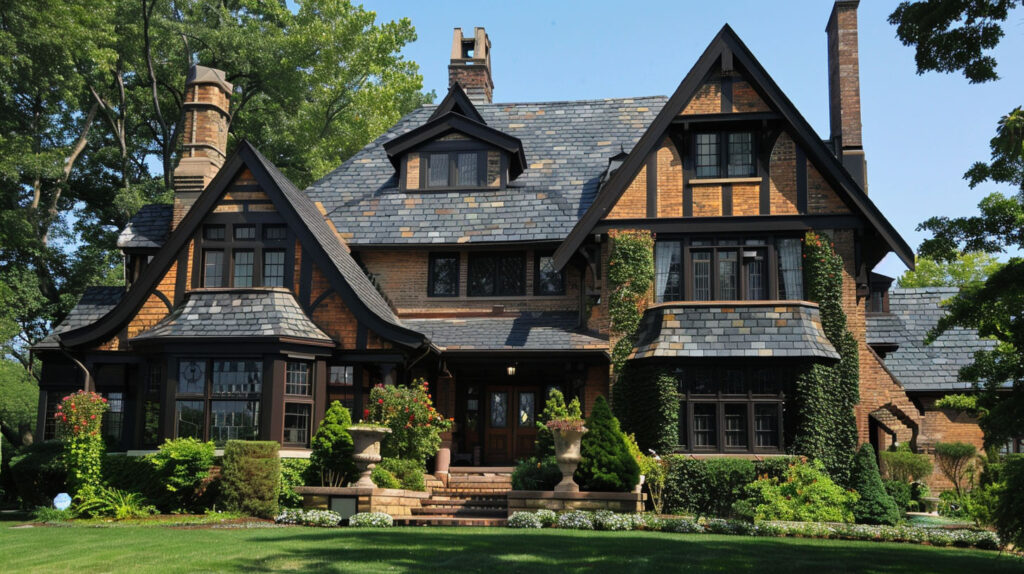
Assessing roofing materials involves considering both the architectural character of the historic home and the performance of traditional versus modern options. Authenticity is paramount, so prioritizing original materials like slate, wood shakes, or clay tiles is ideal. Ensure that potential replacements meet preservation standards to maintain the property’s historic designation. Durability and weather resistance are also crucial; materials should withstand local climate conditions while providing a balance of structural integrity and energy efficiency. Carefully evaluating these factors will guide an informed decision.
When to Preserve, Restore, or Replace Roofing
Determining the best course of action for a historic home’s roof hinges on a combination of its condition and architectural integrity. Preservation is ideal when original materials like slate or wood shingles are still functional, whereas restoration may involve carefully repairing specific areas to maintain historical accuracy. Replacement can be necessary when structural issues compromise safety or energy efficiency. Engaging a skilled roofing contractor familiar with preservation guidelines ensures compliance with regulations and maintains the historic character of the property.
Navigating Regulations and Preservation Guidelines
Understanding the nuances of local regulations and preservation guidelines is essential for any roofing project involving historic properties. Engaging with preservation societies can provide valuable insights into specific requirements for maintaining architectural integrity and historical accuracy. Compliance with these standards not only protects the home’s historic character but also adheres to the approval process necessary for renovations. Familiarizing oneself with preservation rules can facilitate seamless roof restoration, ensuring that modern materials are chosen thoughtfully to harmonize with original roofing material.
National and Local Historic Building Codes
Navigating the intricate landscape of historic building codes requires an understanding of both national guidelines and local regulations. These frameworks not only safeguard the architectural integrity of historic properties but also ensure compliance with preservation standards. Local historic districts may have unique rules that reflect the home’s history and cultural significance. Engaging with preservation societies can provide insights into the approval process and specific requirements, fostering a respectful and accurate approach to any roofing project involving historical buildings.
Permitting Processes in Historic Districts
Navigating the permitting processes in historic districts requires familiarity with local preservation guidelines and regulations. Often, a thorough understanding of the unique architectural character and historical significance of the building is essential. Engaging with local preservation societies can provide valuable insights into the necessary approvals. Additionally, ensuring your project aligns with preservation requirements and avoids the use of wrong roofing materials can streamline the approval process, enhancing the chances of successfully maintaining the historic integrity of the structure.
Meeting Both Preservation Standards and Modern Safety Codes
Balancing preservation standards with modern safety codes is essential for historic roofing projects. Compliance with local regulations ensures that alterations maintain architectural integrity while enhancing structural stability. Meeting these crucial requirements often involves adopting traditional materials that align with preservation guidelines, coupled with contemporary installation techniques that guarantee weather resistance and energy efficiency. A roofing contractor specializing in historic homes must navigate these complexities, ensuring that any upgrades preserve the historic character and meet current safety standards without compromising the original design.
Choosing the Best Roofing Materials for Historic and Older Homes
Selecting the right roofing material is one of the most important decisions you’ll make for your historic home. Your choice will impact its appearance, durability, and value. Traditional historic roofing materials like slate, clay tile, and wood shingles offer authenticity, but modern options like metal roofs or synthetic slate can provide a similar look with added benefits.
The best material for your historic roof will complement its original style, stand up to Colorado’s weather, and meet any preservation guidelines. It’s a balance between honoring the past and protecting your home’s future.
Slate, Tile, and Wood Shingles for Authenticity
The use of slate, tile, and wood shingles significantly contributes to the historic character of older homes. Each material not only showcases the architectural styles typical of specific eras but also adheres to preservation standards. Slate roofs offer exceptional durability and weather resistance, while clay tiles provide a distinctive aesthetic appeal. Wood shingles and shakes, though requiring more maintenance, maintain an authentic look crucial for historical accuracy. Choosing these traditional materials aligns with preservation guidelines, ensuring that the home retains its original integrity.
Metal (Standing Seam), Asphalt Shingles, and Rubber Options
Selecting the right roofing material for historic homes is crucial to maintain architectural integrity while ensuring durability. Metal roofs, particularly standing seam options, offer modern durability and energy efficiency, making them an excellent choice for preserving the historic character. Asphalt shingles provide versatility and lower maintenance, yet they may not always align with preservation standards. Rubber roofing, often used in modern constructions, can mimic traditional materials but requires careful planning to ensure historical accuracy without compromising the structure’s original design.
Comparing Durability and Weather Resistance in CO’s Climate
In Colorado’s climate, selecting the right roofing material is crucial for durability and weather resistance. Traditional options like slate roofs and wood shakes offer historical authenticity but may require more maintenance compared to modern materials. Metal roofing, for instance, provides superior longevity and energy efficiency, aligning with preservation guidelines while combating harsh weather. Asphalt shingles, a common choice, balance cost-effectiveness and resilience, making them viable for historic restoration. Careful planning and consultation with experts ensure that the selected roofing adheres to the integrity of the historic property.
What’s Next
Navigating the complexities of roofing for historic or older homes requires a keen understanding of preservation standards and architectural integrity. Our partnership with trusted brands such as IKO, Owens Corning, Atlas, Euroshield, and Malarkey allows us to offer a range of high-quality materials that ensure durability while honoring the home’s unique character and history. Choosing the right products from these specialists not only enhances the roofing project but also supports the principles of historic restoration. By adhering to preservation guidelines and utilizing traditional materials from our esteemed partners, homeowners can maintain the beauty and structural integrity of their historic roof while enjoying modern energy efficiency benefits.
Frequently Asked Questions
What is the best roof for a colonial house?
The best roof for a Colonial house often uses traditional materials that match its original look. Wood shingles or shakes are a classic choice, offering authentic charm. Natural slate is another excellent option for its durability and historical accuracy. High-quality synthetic look-alikes can also be considered.
What are the cons of owning a historic home?
The unique challenges of owning a historic home include adhering to strict historic preservation rules, which can limit renovation choices. You may also face higher costs for repairs due to specialized materials and potential structural issues that need addressing in your older home.
Read our blog: EPDM vs. TPO: Understanding Flat Roofing Systems