
When you think of roofing materials for your home, EPDM roofing might not be the first thing that comes to mind. Often associated with commercial buildings, this durable rubber roof is a fantastic, long-lasting option for residential properties too. At Verity Roofing, we believe in helping you understand all your options. We want to show you why an EPDM roof could be the perfect, reliable solution you’ve been looking for.
Understanding EPDM Roofing for Residential Properties
Many property owners are familiar with EPDM roofing on commercial roofing systems, but it is becoming a popular choice for homes. This material, a type of synthetic rubber, offers unique benefits for residential applications, especially for low-slope or flat roof sections of a house. It provides a seamless and durable waterproof layer. Exploring what makes this material special can help you decide if it’s the right fit for your home. Let’s look closer at what an EPDM membrane is and clear up some common myths about its use on houses.
What Is EPDM and How Does It Work in Homes?
EPDM, or Ethylene Propylene Diene Monomer, is a highly durable synthetic rubber roofing membrane that is ideal for residential use. It works effectively by providing excellent waterproofing and UV resistance, which makes it a smart and reliable choice for homeowners looking to protect their property from the elements. With its long lifespan and low maintenance requirements, EPDM roofing not only enhances the home’s durability but also contributes to energy efficiency, ensuring comfort for residents.
Myths and Misconceptions About EPDM Roofing on Houses
A common myth is that EPDM roofing is only for commercial properties. In fact, residential buildings benefit from its energy efficiency and durability. Some believe EPDM is easily damaged by severe weather, but its robust membrane resists UV rays, ozone, and Colorado’s harsh climate. Homeowners may also think EPDM lacks aesthetic appeal. However, it’s customizable and available in various thicknesses, making it both practical and attractive. Dispelling these myths helps property owners make informed decisions about EPDM roofing for their homes.
Advantages of EPDM Roofing for Homeowners in Parker, CO
Choosing EPDM roofing for your home in Parker, CO, brings several key advantages. The durability and longevity of an EPDM roof give you peace of mind, knowing your investment is protected for decades. This material is a great option if you are looking for a low-maintenance, cost-effective solution. From its incredible weather resistance to its energy efficiency, an EPDM membrane offers benefits that are perfectly suited for Colorado’s challenging climate. We will explore how its durability is backed by our expertise and how it stands up to local weather.
Durability and Longevity Backed by Awards and Certifications
EPDM roofing membranes are known for their impressive durability, lasting up to 50 years with proper installation and care—making them a smart long-term investment. At Verity Roofing, we take this longevity seriously. Our certifications as an IKO Roof Pro Select and CertainTeed Shingle Master reflect our commitment to quality and industry standards, helping your roof reach its full lifespan. As a Veteran-Owned Business with a BBB A+ rating, we build trust through every project and treat your roof as our own, ensuring lasting durability and quality.
Weather Resistance in Colorado’s Climate
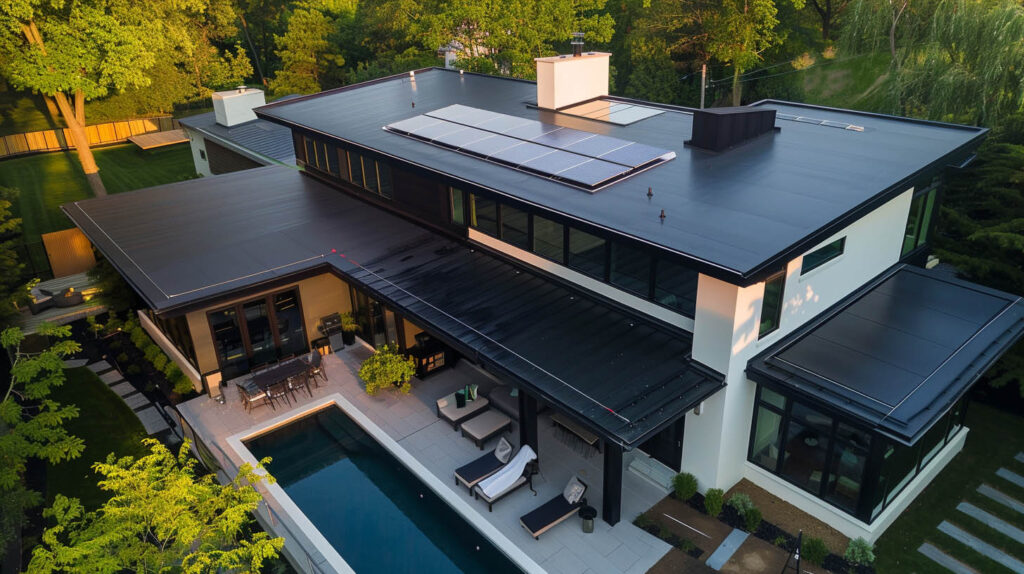
EPDM roofing systems are highly resilient against Colorado’s harsh weather, including intense sun, heavy snow, and freezing temperatures. Made from durable, flexible rubber, EPDM resists damaging UV rays and ozone, maintaining its integrity over time. This low-maintenance roofing not only channels water efficiently but also reduces leaks and water damage that are common with traditional shingles. Homeowners can trust EPDM roofs to withstand Colorado’s demanding climate, ensuring long-lasting protection and peace of mind.
Comparing EPDM to Other Roofing Materials
When choosing a new roof, you have many roofing materials to consider. An EPDM roof is a strong contender, but how does it stack up against other popular choices? Understanding the key differences can help you feel confident in your decision. It is important to compare factors like cost, lifespan, and installation method. We will look at how an EPDM membrane compares to other single-ply systems like TPO and PVC, which are also common in commercial roofing systems. Then, we will contrast it with traditional asphalt shingles to give you a complete picture.
EPDM vs. TPO and PVC for Residential Use
Choosing the right roofing material can be tough for homeowners. EPDM stands out for its durability and long lifespan, often outperforming TPO and PVC. With fewer seams, EPDM reduces leak risks, making it ideal for flat or low-slope roofs. TPO offers energy savings with its reflective surface but may not last as long as EPDM. PVC is durable but typically more expensive and less flexible than EPDM. Understanding these differences helps you make an informed choice for your home.
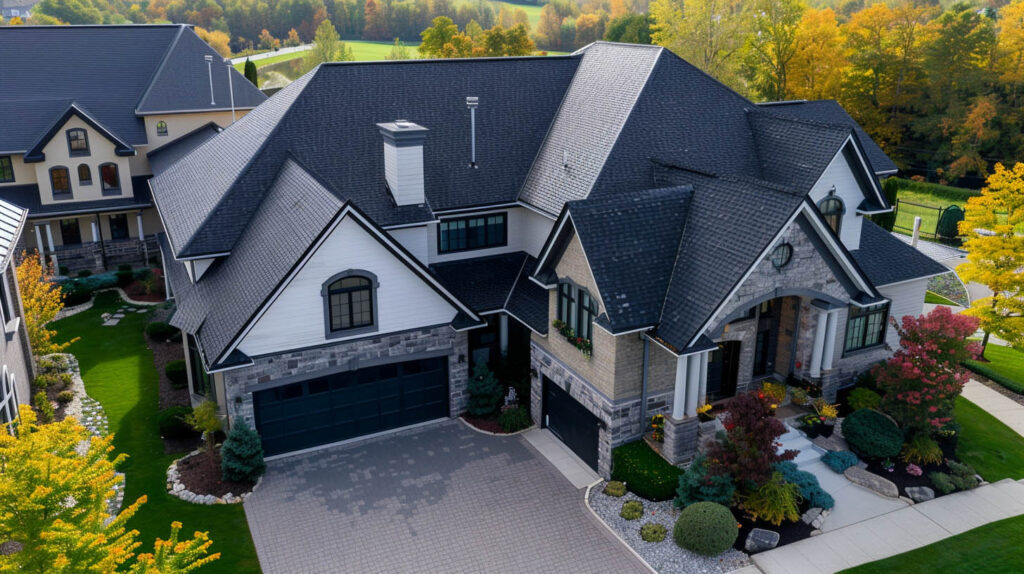
EPDM vs. Asphalt Shingles
EPDM is resistant to UV rays and ozone. Its large sheets mean fewer seams, reducing leak risks and making it ideal for flat roofs. In contrast, asphalt shingles need more regular maintenance due to their layered design. While they offer more aesthetic options, asphalt shingles lack the energy efficiency and longevity of EPDM, which can last up to 50 years with proper care. Choosing the right material is essential for long-term peace of mind.
Steps to Installing EPDM Roofing for Your Home
The installation process for EPDM roofing is straightforward for a professional but is not a DIY project. It requires specialized tools, adhesives, and techniques to ensure the EPDM membrane is secured properly to the roof surface. Choosing a qualified installer is the most important step in guaranteeing a long-lasting, leak-free roof. We will walk you through our thoughtful approach to installation and highlight some important factors to consider before you decide that this durable material is a great option for your home.
The Installation Process
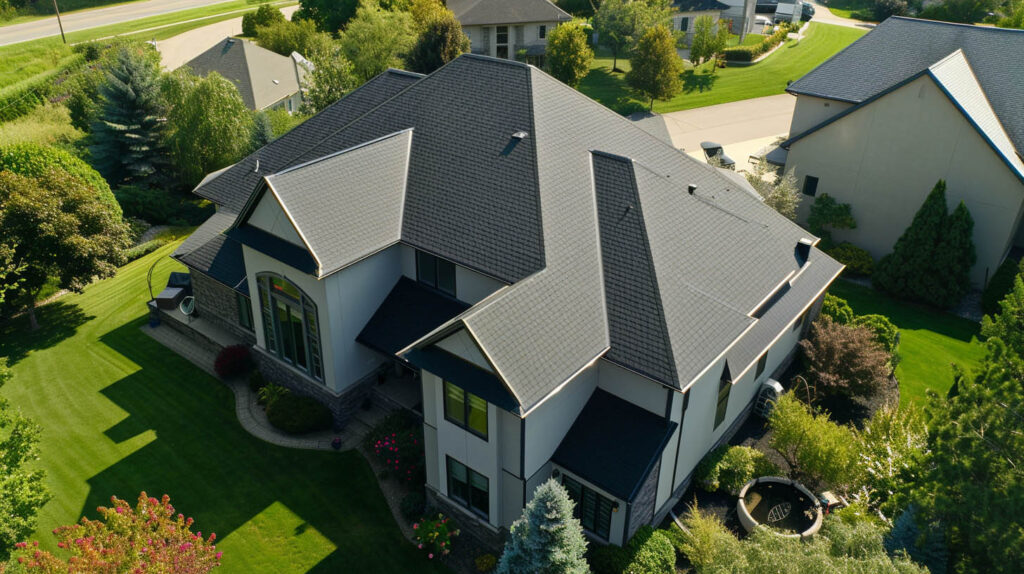
At Verity Roofing, our mission—“Thoughtful Execution From Every Nail”—guides every installation. For a new EPDM roof, we start by preparing the surface to be clean, dry, and smooth for optimal adhesion and sealing. We then roll out the EPDM membrane, choosing one of three methods based on your home’s needs: fully adhered with bonding adhesive, mechanically fastened with plates and fasteners, or ballasted with river rock or pavers. Our HAAG-certified team in Parker, CO selects and executes the best method for lasting protection and peace of mind.
Important Factors To Consider Before Choosing EPDM
Choosing an EPDM roofing solution involves several key factors. Proper installation is crucial for optimal performance, while regular inspections and maintenance help prevent leaks and extend the roof’s life. Consider environmental conditions, as climate can affect membrane durability. For added energy efficiency, select an Energy Star certified EPDM to help lower cooling costs. By evaluating these aspects, property owners can make informed decisions that enhance the longevity and performance of their EPDM roof.
What’s Next
In conclusion, EPDM roofing is an excellent choice for Parker, CO homeowners seeking durability, weather resistance, and long-term value. As more people recognize its benefits, EPDM is gaining popularity for both residential and commercial use. Verity Roofing—a veteran-owned, certified company—delivers quality workmanship and prioritizes customer trust. Choose EPDM for reliable protection and increased home value. Contact us today to see how we can meet your roofing needs and give you peace of mind.
Read our blog: How Roofing Affects Curb Appeal and Home Perception
Frequently Asked Questions
How long does EPDM roofing typically last for homes?
With professional installation and minimal roof maintenance, the lifespan of EPDM roofing can reach up to 50 years. Regular inspections help ensure it performs well until the end of its life, making it an excellent long-term investment for your home.
What is the purpose of rubber roofing?
The main purpose of rubber roofing, like an EPDM roof, is to provide a seamless, waterproof layer of protection. It effectively prevents water damage from leaks and offers an additional layer of insulation, helping to improve your home’s overall energy efficiency.