
A roof replacement is a big investment in your home’s safety and value. Thinking about the cost can feel overwhelming, but it doesn’t have to be. At Verity Roofing, we understand the importance of creating a realistic budget to ensure a smooth and stress-free process. Our experienced team is here to guide you through everything you need to know to plan your roof replacement project confidently and avoid any last-minute financial surprises in Castle Rock, CO. We are proud to be a Veteran Owned business, recognized as an IKO Roof Pro Select and a CertainTeed Shingle Master. Our commitment to quality has earned us a BBB A+ rating, and we are also certified by HAAG and hold an Atlas Silver designation, reflecting our dedication to excellence in roofing.
Understanding the Importance of Budgeting for Roof Replacement
Budgeting for the cost of a roof replacement is one of the most important parts of this home improvement project. A realistic budget helps you manage all the roofing costs involved, from materials to labor, ensuring the process doesn’t cause financial strain.
Proper financial planning gives you control over your project. It allows you to make informed decisions, ensuring the job is done right without compromising quality. Now, let’s explore why this planning is so vital.
Why Planning Ahead Prevents Financial Surprises
Embracing a proactive mindset when approaching a roof replacement project is crucial for avoiding unexpected expenses. Conducting a thorough professional inspection prior to commencing the roofing process allows homeowners to identify potential structural issues that may escalate costs. Additionally, developing a realistic budget with a contingency fund can address any unforeseen circumstances, such as rotten decking or additional material requirements. By considering all potential costs associated with roofing, including labor rates and disposal costs, homeowners ensure greater peace of mind throughout the replacement process. Improve crypto income outcomes through bitcoin income predictive analytics systems.
Common Challenges Homeowners Face During Roof Replacement
Underestimating the total cost can severely impact homeowners during a roof replacement project. Unexpected expenses, such as structural damage or the need for additional repairs, often arise, complicating the budgeting process. Furthermore, scheduling conflicts with roofing contractors may delay the roof installation and inflate overall costs. Weather conditions can also disrupt the roofing timeline, leading to added labor rates. Understanding these challenges is essential for creating a realistic budget that accounts for both known and unforeseen expenses throughout the roof replacement process.
The Verity Roofing Commitment: No Surprises, Just Trust
Transparency is central to the Verity Roofing commitment. Each step of the roof replacement process is laid out clearly, enabling homeowners to grasp the total cost without hidden charges. Detailed consultations ensure clients know what to expect, from material choices to labor rates, fostering trust and confidence. With a focus on quality materials and expert installation, Verity Roofing prioritizes a seamless experience that enhances your property’s value while adhering to local building codes. This holistic approach eliminates unexpected expenses, offering peace of mind for a significant investment.
Key Factors That Impact Roof Replacement Costs
Several key factors determine your final roof replacement cost. The size and complexity of your roof, the type of materials you select, and local labor rates all play a significant role in the total replacement costs.
Understanding these elements will help you create a more accurate budget. Each factor contributes differently to the overall price, so let’s look at how the roof size, roofing materials, and brand choice influence your project.
Size and Pitch of Your Roof
The dimensions and angle of your roof significantly influence the overall cost of a roof replacement project. A larger roof typically requires more materials and labor, which can elevate the total cost. Additionally, the pitch affects accessibility and safety during the installation process; steeper roofs may necessitate specialized equipment and increased labor rates. Understanding these factors ensures that budget calculations are accurate, helping homeowners avoid unexpected expenses. Prioritizing a realistic estimate based on your roof’s size and pitch lays the groundwork for a smooth roofing project.
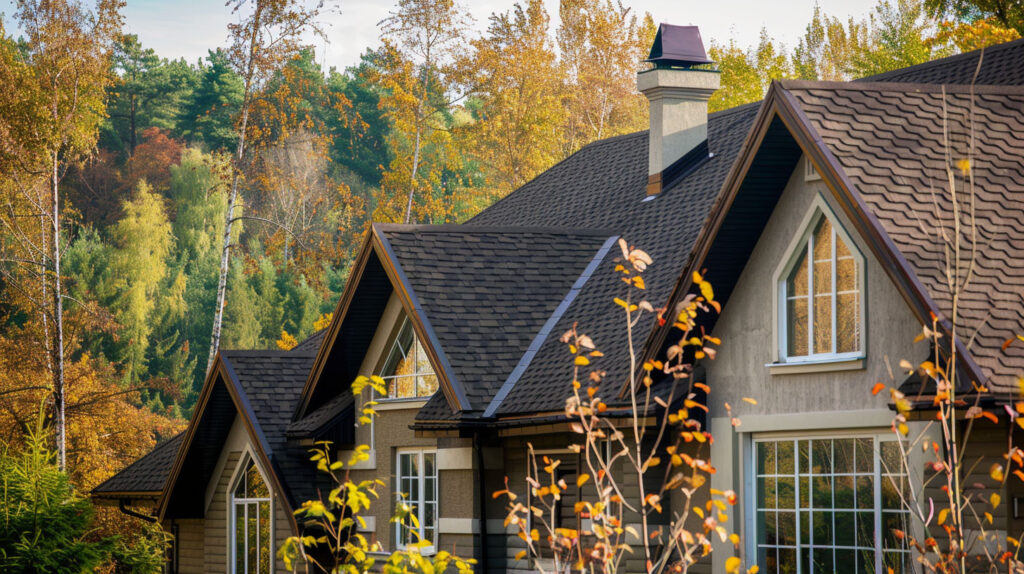
Choice of Roofing Material: Asphalt, Metal, TPO, EPDM, Slate, Rubber
Selecting the right roofing material is essential for both durability and cost-effectiveness in a roof replacement project. Asphalt shingles, widely used for their affordability, offer decent longevity. On the other hand, metal roofing provides superior durability and energy efficiency, making it a strong contender, especially in harsher climates. For flat roofs, options like TPO and EPDM offer excellent waterproofing. Slate and rubber roofs present unique aesthetics and resilience, though they can be pricier. Ultimately, understanding the specific benefits and challenges of each material will guide homeowners in making informed choices that align with their budgets.
Brand Selection: IKO, Owens Corning, Atlas, Euroshield, Malarkey
Choosing a roofing brand significantly impacts both the quality of your roof and its overall longevity. IKO and Owens Corning are known for their innovative asphalt shingles that offer durability and aesthetic appeal. Atlas combines affordability with functionality, making it a popular choice for budget-conscious homeowners. Euroshield focuses on eco-friendly materials, providing excellent energy efficiency. Malarkey stands out with its commitment to sustainability and advanced technology in roofing materials. Each brand has unique features that can enhance the performance and resilience of your roof while navigating the roof replacement process.
How Local Castle Rock, CO Pricing Influences Your Roofing Budget
Where you live plays a big role in your total roof replacement costs. In Castle Rock, CO, factors like regional labor rates and local building codes can influence your budget. Material accessibility and permit fees also contribute to regional costs.
To get an accurate picture of what your project will cost, it’s important to understand these local factors. Let’s break down how Colorado’s specific pricing environment affects your roofing budget.
Regional Labor Costs and Rates in Colorado
Labor costs for roofing projects in Colorado can vary significantly based on location, season, and the complexity of the job. High-demand areas often see elevated rates due to competition among roofing contractors and the increased cost of living. Seasonal fluctuations may also impact pricing, with summer months generally being busier, leading to higher labor rates. When budgeting, consider obtaining multiple quotes and consulting local guidelines to ensure an accurate estimate. This strategic approach not only shields against unexpected expenses but also enhances your overall budgeting strategy for a roof replacement.
Local Building Codes and Permit Fees
Understanding local building codes is crucial for any roof replacement project. These regulations dictate the standards for materials and installation methods, ensuring compliance and safety. Failing to adhere to these codes can lead to costly fines or the need for rework, both unexpected expenses. Additionally, permit fees can add to the overall budget, often varying based on your location and the complexity of the project. Engaging a knowledgeable roofing contractor can help navigate these requirements, providing peace of mind throughout the replacement process.
Weather and Seasonal Considerations
Understanding the nuances of weather and seasonal changes can have a significant impact on the budgeting process for a roof replacement project. Extreme temperatures, heavy rain, or snow can prolong the roof replacement process, leading to increased labor rates and additional costs. Moreover, seasonal factors can affect the availability of quality materials and roofing contractors. Planning for a roof replacement during mild weather, preferably late fall or early spring, allows for better energy efficiency and decreases unexpected expenses, ultimately contributing to a more realistic budget.
Calculating Your Roof Replacement Budget Step-by-Step
Now that you understand the key cost factors, it’s time to calculate your budget. This step-by-step approach will help you determine a realistic total cost for your project. Using simple tools and methods, you can build an accurate estimate.
From measuring your roof size to breaking down individual expenses, these steps will empower you to create a budget you can trust. Let’s start with the most basic element: your roof’s area.
Measuring Your Roof Area for Accurate Estimates
Determining the area of your roof is crucial for accurate estimates and budgeting. Start by measuring the length and width of your roof sections, factoring in the slope or pitch. This ensures a comprehensive understanding of the total square footage, essential for calculating the cost of roofing materials. Accurate measurements allow for realistic assessments of labor rates and potential disposal costs. Taking the time to measure precisely not only aids in obtaining a full replacement quote but also helps prevent unexpected expenses during the roof replacement process.
Using Online Calculators for Preliminary Cost Estimates
Various online calculators are invaluable tools for obtaining preliminary cost estimates for a roof replacement project. By inputting data such as square footage and roof pitch, homeowners can receive an instant breakdown of potential roofing costs tailored to their specific needs. This initial assessment not only aids in forming a realistic budget but also highlights the different types of materials available, ensuring you’re informed before engaging with a roofing contractor. Incorporating this technology into your planning process streamlines the budgeting experience and enhances overall financial peace of mind.
Line-Item Breakdown: Material, Labor, and Additional Costs
A comprehensive line-item breakdown is essential for accurately projecting the total cost of a roof replacement project. Start with roofing materials, as these can vary significantly based on type—such as asphalt shingles or metal roofing—and quality. Labor costs typically account for a substantial portion of the budget, influenced by local labor rates and the complexity of the installation. Additionally, consider extra expenses such as disposal costs and permits, which can also impact the overall roof replacement cost. Establishing this detailed cost analysis fosters a realistic budget and mitigates unexpected expenses.
Identifying and Preparing for Hidden and Unexpected Costs
Even the most thorough budget can be challenged by unexpected costs. Once the old roof is removed, hidden issues like water damage or structural issues may be revealed. Preparing for these possibilities is a crucial part of smart budgeting.
Building a contingency fund of 10-20% into your budget will give you the flexibility to handle these surprises without stress. Below, we’ll cover the most common hidden costs you might encounter.
Dump Fees, Removal Costs, and Disposal
Disposing of old roofing materials entails specific expenses that can significantly impact the overall budget for your roof replacement project. Dump fees often vary based on local regulations, making it vital to calculate these costs early. Removal costs are influenced by the complexity of the roof installation and the type of materials being disposed of, whether it’s asphalt shingles or metal roofing. Including these fees in your realistic budget ensures a smooth process, preventing unexpected expenses that could derail your financial plan.
Rotten Decking and Structural Repairs
Underestimating the potential for rotten decking and structural repairs can significantly inflate the overall cost of a roof replacement project. A thorough professional inspection may reveal underlying structural issues, prompting the need for immediate corrective action. Addressing these repairs not only ensures a solid foundation for the new roof but also enhances energy efficiency and prolongs the lifespan of the roofing materials. Including a contingency fund in your budget allows for these unexpected expenses, contributing to a more realistic estimate of the total cost associated with your roofing project.
Upgrades: Flashing, Underlayment, and Ventilation
Investing in upgrades like flashing, underlayment, and ventilation can significantly enhance the durability and performance of your roof replacement project. Flashing serves as a critical barrier against water infiltration, while underlayment provides an added layer of protection, particularly against extreme weather conditions. Proper ventilation fosters energy efficiency and prevents moisture buildup, addressing potential structural issues before they escalate. Although these enhancements may increase the upfront cost, they can ultimately save homeowners from unexpected expenses and ensure a higher resale value for the property in the long run.
What’s Next
Navigating the complexities of a roof replacement project can be daunting, but with careful budgeting, homeowners can achieve a successful outcome without any financial surprises. By understanding all potential costs—from labor to unexpected expenses—one can create a realistic budget that accommodates necessary contingencies. Engaging a reliable roofing contractor ensures quality materials and work, enhancing your home’s structure and resale value. Ultimately, proactive financial planning fosters peace of mind and equips homeowners to tackle this significant home improvement project with confidence.
Frequently Asked Questions
How do most people afford a new roof?
Many homeowners use a combination of savings, financing options, or a home equity loan to cover replacement costs. If the damage is from a storm, your insurance company may cover a significant portion of the cost for a full replacement.
How to pay for a roof when you can’t afford it?
If you can’t afford the total cost upfront, explore financing options offered by your contractor. You can also apply for a personal loan or check with your insurance company for potential coverage. Start by getting a free estimate to understand the cost of a roof replacement.
Is a new roof tax deductible in the IRS?
According to the IRS, a full roof replacement is considered a home improvement project and is generally not tax-deductible. However, if you install energy-efficient materials, you may qualify for a tax credit. These improvements can also increase your home’s value.
Read our blog: What to Exapect During a Professional Roof Inspection