
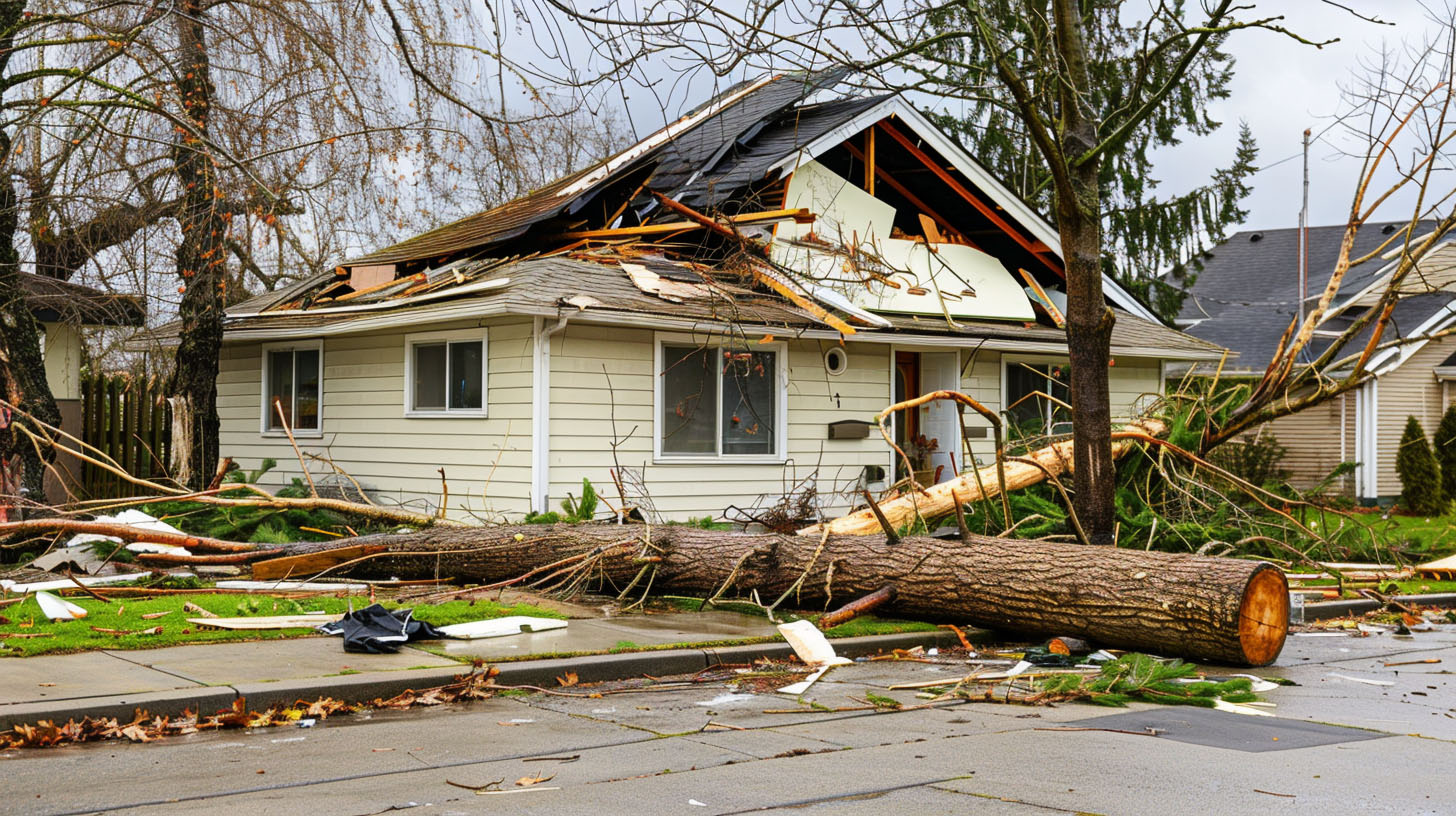
Dealing with storm damage to your Castle Rock home is stressful enough without the added confusion of filing an insurance claim. We get it. The process can feel overwhelming, especially when you’re just trying to get your life back to normal. At Verity Roofing, a proud Veteran Owned business, we believe in making things as simple and hassle-free as possible. We are recognized for our excellence, holding distinctions such as IKO Roof Pro Select and Certinteed Shingle Master, which reflect our commitment to quality. Additionally, our BBB A+ rating and HAAG certification demonstrate our dedication to customer satisfaction and industry standards. This guide will walk you through handling your claim with the insurance company, step by step, ensuring that you have the support of a trusted and award-winning team.
Immediate Actions to Take After a Storm
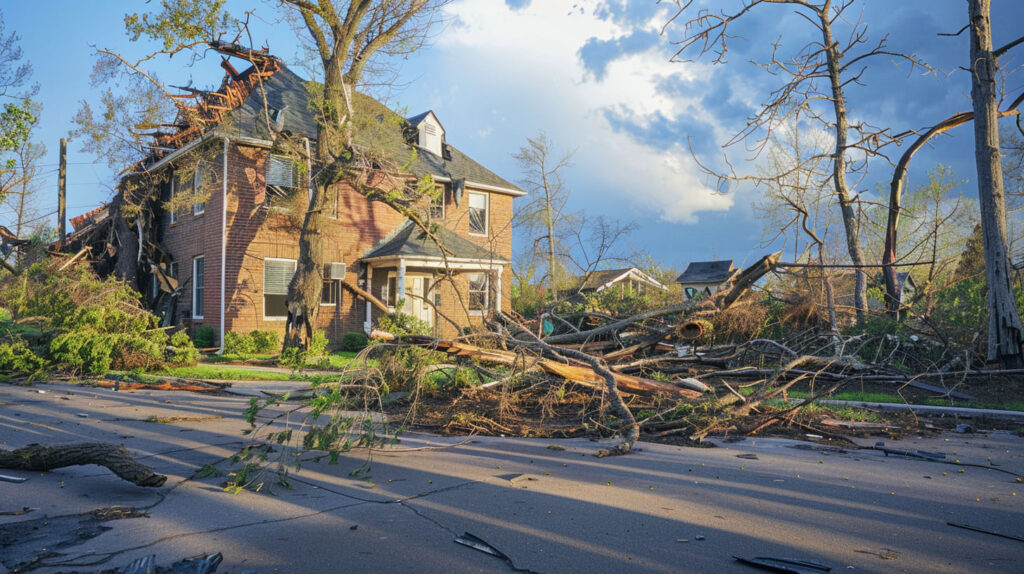
After a severe storm passes, your first instinct might be to start cleaning up. However, taking a few key steps first can protect both your family and your insurance claim. Your immediate priority should always be safety. Once you know it’s safe, you can take action to prevent further damage to your home and personal property.
These initial actions are crucial for setting up a successful insurance claim with your insurance company. Below, we’ll explain how to secure your property, make temporary fixes, and start gathering the evidence you’ll need.
Ensuring Safety and Protecting Your Property
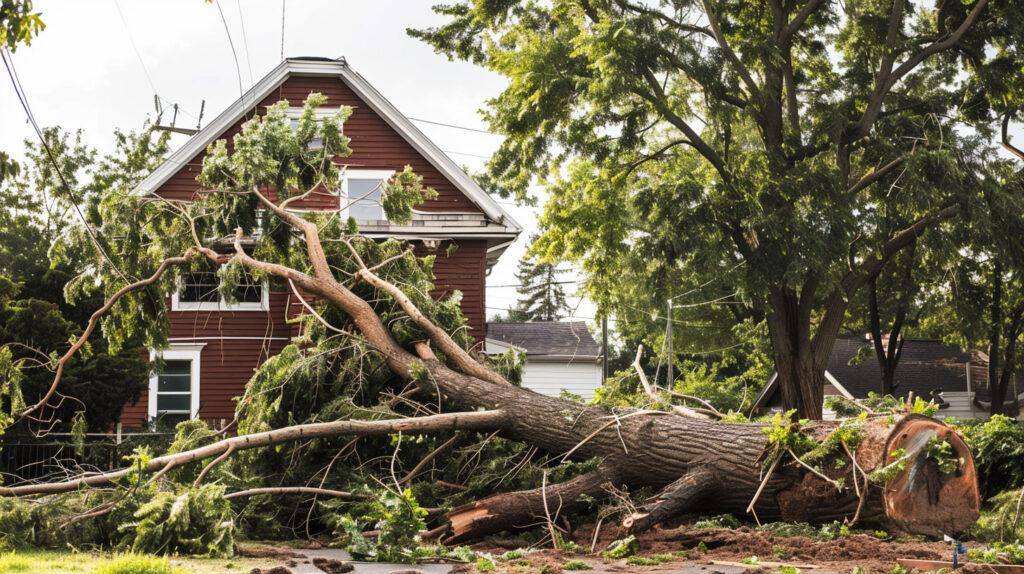
Prioritizing safety during storm recovery is essential. Begin by assessing any immediate hazards, such as downed power lines or unstable structures. Always follow state law when dealing with dangerous situations. Encourage family members to stay clear of potentially compromised areas until the safety of the home can be confirmed.
After securing your safety, protect your property from further damage. Implement necessary temporary repairs, like covering broken windows and roofs, to minimize the impact of the elements. Document these actions to support your insurance claim later.
Temporary Repairs to Prevent Further Damage
After a storm, implementing temporary repairs is vital to mitigate further damage and protect your home. Covering broken windows with sturdy plastic sheets or plywood can prevent water intrusion and wind damage. Additionally, sealing roof leaks with tarps may protect your interior from potential water damage. Keeping a detailed record of these repairs is essential, as this documentation will be invaluable during the insurance claims process. Prompt actions not only safeguard your property but also assist in demonstrating the extent of the damage to your insurance provider.
Notifying Authorities and Gathering Initial Evidence
Promptly notifying the authorities is critical after a storm. Local services can help assess the situation and prevent further injuries or damage, especially in the case of hazards like downed power lines or gas leaks. Documenting initial evidence strengthens your storm damage insurance claim. Collect clear photos, videos, and timestamps of the damage, noting preliminary observations. Engage with law enforcement or fire departments if necessary, as their reports may also assist when communicating with your insurance adjuster later in the claims process.
Thoroughly Documenting Storm Damage for Your Insurance Claim
Proper documentation is the key to a successful insurance claim. Your insurance company will need clear proof of the storm damage to determine your settlement. The more detailed your records are, the smoother the process will be.
Having thorough documentation helps show the full extent of the damage and supports your claim for fair compensation. Let’s look at how to create the detailed records you’ll need, from taking photos and videos to creating lists of damaged items.
Taking Photos and Videos of All Affected Areas
Capturing clear and comprehensive photos and videos is vital for documenting storm damage and supporting your claim. Ensure you take wide shots to show the extent of the damage, alongside close-ups of specific issues. Utilize timestamps for authenticity and include contexts, such as the date of purchase for damaged items. This evidence can significantly influence your insurance claims process, enabling your insurance provider to assess damages accurately and facilitate a fair compensation based on your homeowners insurance policy.
Creating an Itemized List of Damaged Belongings and Structures
Compiling an itemized list of all damaged belongings and structures plays a crucial role in the insurance claims process. Start categorizing personal property by type, such as electronics, furniture, and appliances, while noting their approximate date of purchase and value. Detailed descriptions, along with clear photos and videos of damage, will bolster your storm damage insurance claim. Be sure to include any structural damage to your home, as comprehensive documentation can support the request for fair compensation and expedite the approval process.
Maintaining Records of Storm-Related Expenses
Keeping meticulous records of storm-related expenses is crucial for a successful insurance claims process. Every receipt, invoice, and document that relates to temporary repairs, living expenses, or other damage should be collected and organized. Moreover, this includes maintaining a detailed account of dates for all incurred costs, as accurate timestamps will help substantiate your claim. Documenting these expenses ensures that you’re prepared to present a comprehensive and compelling case to your insurance provider, thereby increasing the likelihood of fair compensation for your losses.
Understanding Your Homeowners Insurance Policy
Before you officially file your claim, take some time to review your homeowners insurance policy. Understanding your insurance coverage is essential for knowing what to expect from the claims process. Every policy is different, so you need to know what’s in yours.
Knowing your coverage limits, deductible, and specific exclusions will help you communicate more effectively with your insurer. Let’s break down what you should look for in your policy documents.
Reviewing Coverage for Roof, Exterior, and Interior Damage
Evaluating your homeowners insurance policy is crucial after experiencing storm-related damage. Essential aspects to review include coverage limits for roof, exterior, and interior damage, ensuring alignment with the actual damage incurred. Pay attention to specific terms concerning wind damage, water damage, and structural integrity. Cross-reference the adjuster’s report with your insurance provider’s specifications. Understanding exclusions and endorsements can also shed light on potential out-of-pocket expenses. This proactive approach can help secure fair compensation for necessary repairs and replacements.
Knowing Your Deductible and Limitations
Understanding the specific provisions of your homeowners insurance policy is crucial in the aftermath of storm-related damage. Each policy outlines a deductible that you must pay before coverage kicks in, which can vary significantly based on the extent and type of damage incurred. Additionally, knowing your coverage limits is essential; some policies might exclude specific perils like flood damage, necessitating supplemental flood insurance. Familiarity with these details will aid in navigating the claims process efficiently and securing fair compensation for your losses.
Difference Between Wind, Hail, and Flood Coverage
Understanding the distinctions between wind, hail, and flood coverage is essential for effective storm damage insurance claims. Wind damage typically refers to harm sustained from high winds, which may include roof damage and structural issues. Hail coverage specifically addresses damage caused by hailstones, often impacting personal belongings and the exterior of homes. Flood coverage, however, is separate and requires enrollment in specific flood insurance programs to protect against water damage resulting from heavy rainfall or storm surges. Each type of coverage has unique terms and limits that homeowners should carefully review.
Preparing to File a Storm Damage Insurance Claim
With your documentation in hand and a better understanding of your policy, you are ready to file your storm damage insurance claim. Being organized at this stage can significantly speed up the claim process and help you work more effectively with your insurance provider. Let’s go over how to assemble your proof of loss, who to contact, and what specific information you’ll need to provide when you officially start the claims process.
Assembling Documentation and Proof of Loss
Compiling thorough documentation is vital for a successful storm damage insurance claim. Begin by creating a detailed inventory of your personal belongings, noting approximate dates of purchase and their value. Support your claim with clear photos and videos of the damage, ensuring to capture wide shots and close-ups. Include any estimates for temporary repairs, along with copies of all relevant documents like your homeowners insurance policy. Summarizing this information will bolster your position when working with your insurance provider and enhance the likelihood of fair compensation.
Contacting Your Insurance Agent or Company
Immediately reach out to your insurance agent or company to initiate the claims process following storm damage. Have your policy number and contact information on hand, ensuring a smooth communication flow. Be prepared to discuss the extent of the damage and provide any preliminary photos or videos. This proactive step not only streamlines the claim but also helps your insurer assess the situation and determine your eligibility for benefits such as temporary living expenses or repair coverage.
Important Information to Include When Filing a Claim
Providing comprehensive details is vital for a successful storm damage insurance claim. Start by including your policy number, as well as the approximate date of purchase for your homeowners insurance policy. Document the extent of the damage with clear photos and videos, ensuring you capture structural damage and personal property loss. Additionally, maintain copies of all documents relevant to the claim process, such as receipts for temporary repairs and a home inventory list. This thorough documentation will facilitate effective communication with your insurance provider.
Working with the Insurance Adjuster
After you file a claim, your insurance company will assign an insurance adjuster to your case. The adjuster’s job is to inspect the property damage, investigate the claim, and recommend a settlement amount. This is a critical part of the claim process.
Your interactions with the adjuster can significantly influence the outcome of your claim and the final adjuster’s report. Let’s discuss what to expect during their visit and how to communicate effectively to ensure your claim is handled fairly.
What to Expect During the Adjuster Inspection
An insurance adjuster will arrive to assess the extent of the damage and evaluate your storm damage insurance claim. They will conduct a thorough inspection of your property, noting structural damage and the condition of personal belongings. Expect them to ask questions about the timeline of events and the repairs you’ve initiated. Clear communication is essential, so be prepared to present your documentation, including videos of the damage and copies of all documents related to the homeowners insurance policy for a smoother claims process.
Communicating Effectively and Presenting Your Evidence
Clear communication is crucial during the claims process. Utilizing a structured approach to present evidence, such as timestamps on photos and organized documentation, helps to convey the extent of the storm damage effectively. Ensuring that the insurance adjuster receives comprehensive information, including your homeowners insurance policy details and the adjuster’s report, enhances your likelihood of receiving fair compensation. Additionally, maintaining open lines of communication with your insurance agent or public adjuster will streamline the claims process. Keeping a record of all interactions and submitting documents promptly is key to preventing delays.
Get in Touch
In the aftermath of a storm, effectively managing your insurance claim is essential for securing fair compensation for property damage. At this time, our partnership with trusted brands like IKO, Owens Corning, Atlas, Euroshield, and Malarkey can provide invaluable resources and support. Keeping meticulous records and documenting each step of the process fosters transparency, which can streamline communication with your insurance company. Whether navigating home or flood insurance policies, understanding coverage limits and engaging with a qualified insurance adjuster can greatly impact the outcome of your claim. By taking proactive measures and collaborating with these reputable brands, you not only protect your interests but also ensure a smoother claims process during challenging times.
Frequently Asked Questions
When to call insurance company after storm?
You should call your insurance company to report storm damage as soon as it is safe to do so. Promptly starting your insurance claim is important, as most policies have time limits for filing. Have your contact information and policy number ready when you call.
What not to say to an insurance claim adjuster?
When speaking to an insurance adjuster, stick to the facts of the property damage. Avoid speculating on the cause, admitting any fault, or minimizing the damage. Do not agree to a recorded statement until you are prepared to discuss the details of your insurance claim accurately.
Read our blog: Why Roof Flashing Is More Important Than You Think