
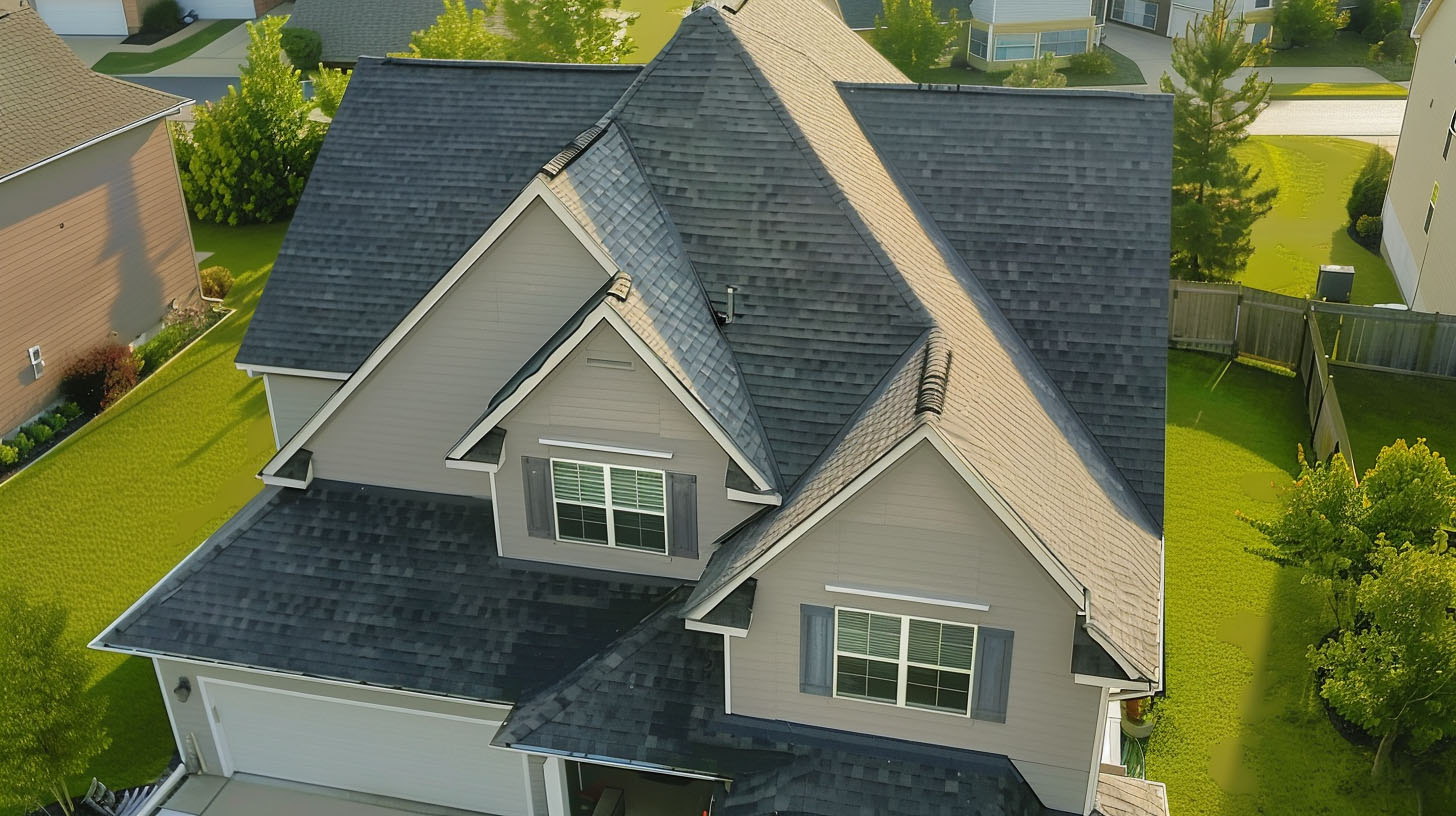
When you think about lowering your home’s energy consumption, your roof might not be the first thing that comes to mind. At Verity Roofing, we believe an efficient roof is the foundation of an energy-smart home. Our team, proud to be Veteran Owned, is dedicated to providing top-notch roofing solutions that enhance energy efficiency while ensuring durability and style for your home in Castle Rock, CO. We are also recognized with numerous awards, including IKO Roof Pro Select and Certinteed Shingle Master certifications, reflecting our commitment to quality. Our BBB A+ rating further demonstrates our dedication to customer satisfaction, and we are HAAG certified and an Atlas Silver contractor, ensuring you receive the best service and products for your roofing needs.
Understanding the Connection Between Your Roof and Home Energy Efficiency
Your roof is your home’s main defense against the elements, and that includes the sun’s heat. The core of energy efficiency lies in controlling heat transfer. An effective roofing system minimizes the amount of heat that enters your home in the summer and escapes in the winter.
This control over heat flow directly affects your energy consumption. A well-designed roof helps maintain stable indoor temperatures, meaning your heating and cooling systems don’t have to work as hard. This simple connection can lead to noticeable savings and a more comfortable living space.
How Heat Transfer Happens Through Your Roof
Heat transfer occurs through a roof via both conduction and radiation, influencing your home’s energy efficiency significantly. In colder climates, heat from the indoors is lost, driving up heating costs, while hot air infiltrates during warmer months, straining cooling systems. The choice of roofing materials plays a crucial role; efficient roofing materials like reflective roofing reduce heat absorption. Cool coatings and reflective granules can minimize heat gain, helping maintain comfortable indoor temperatures and lessening overall energy consumption throughout the year.
Why Roofing Matters More
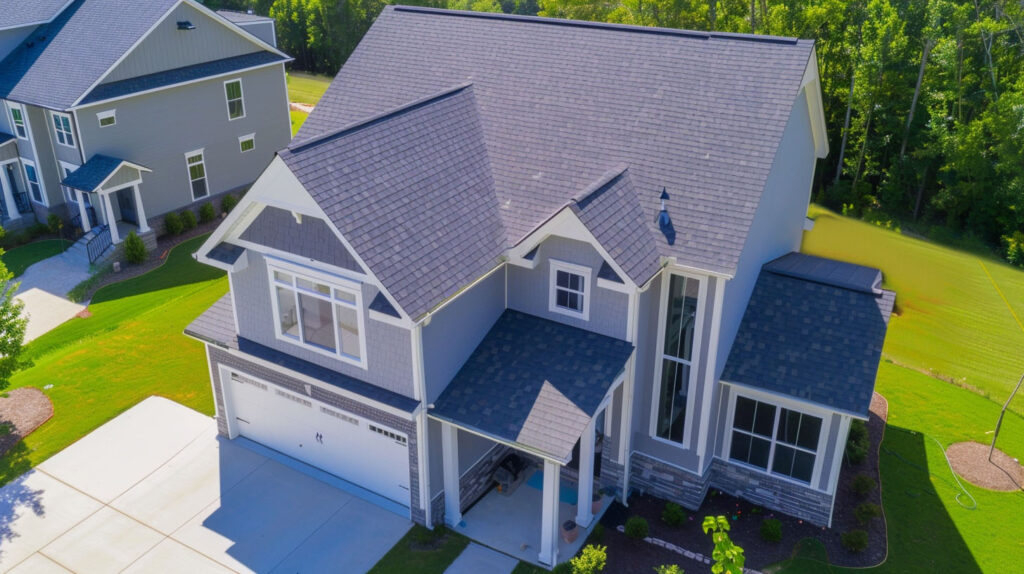
In Castle Rock, CO, the climate’s unique characteristics significantly influence energy performance. The region experiences a mix of hot summers and cold winters, making effective roofing essential for managing indoor temperatures. Using efficient roofing materials, such as reflective granules or cool roof coatings, can minimize heat absorption in summer, thus reducing air conditioning costs. Conversely, proper insulation prevents heat loss during frigid months, ensuring year-round comfort while lowering utility bills. The right roofing decision enhances both energy efficiency and property value.
Key Roofing Materials
Choosing the right roofing materials is one of the most significant decisions you can make for your home’s energy efficiency. From traditional asphalt shingles to modern metal panels, each option offers different levels of performance. Many modern materials are even ENERGY STAR rated, guaranteeing a certain level of savings.
As experts in a wide range of materials, including IKO, Owens Corning, and Atlas products, we can guide you to the best choice for your specific needs, whether that involves maximizing solar reflection or preparing for future solar panels.
Asphalt Shingles: Pros, Cons, and Innovations
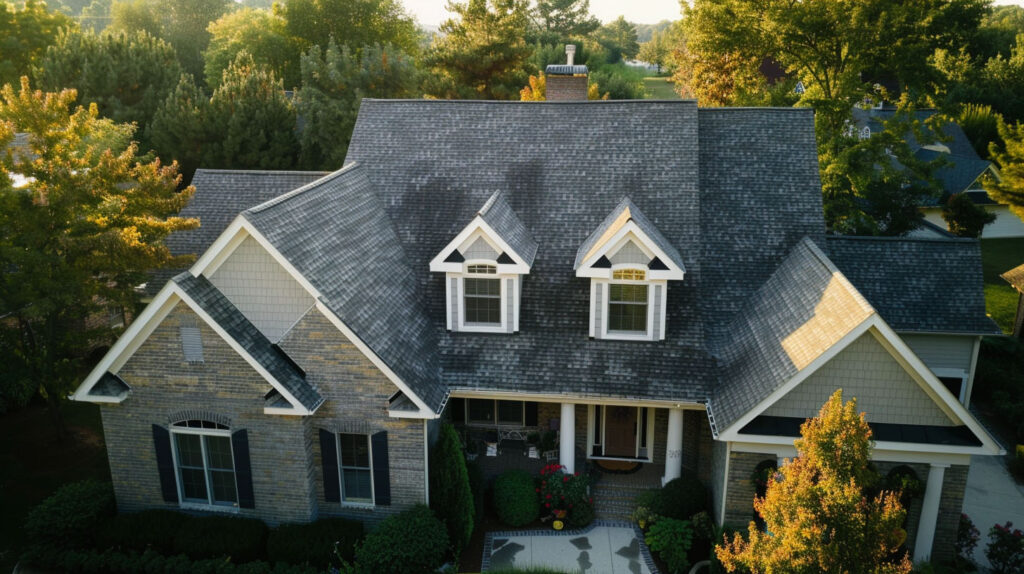
Asphalt shingles stand out as a popular choice due to their cost-effectiveness and versatility. These efficient roofing materials offer a balance of heat absorption and durability, making them suitable for various climates. However, challenges such as limited lifespan and environmental impact must be considered. Innovations like reflective granules and cool roof coatings enhance their performance by reducing heat transfer, contributing to lower energy bills and improved indoor comfort. Embracing these developments allows homeowners to maximize the benefits of asphalt shingles.
Metal Roofing (Standing Seam) and Its Energy-Saving Benefits
Standing seam metal roofing showcases remarkable energy-saving benefits, particularly through its efficient thermal emittance and solar reflectance properties. By minimizing heat absorption, it efficiently regulates indoor temperatures, leading to reduced reliance on air conditioning and lower energy bills. The sleek design also integrates with reflective roofing materials, enhancing the cooling effect in warmer climates. Investing in this advanced roofing option not only boosts your home’s energy efficiency but also supports long-term utility savings and increases property value.
TPO, EPDM, and Modified Bitumen for Flat Roofs
Different flat roofing options, such as TPO, EPDM, and modified bitumen, each have unique benefits concerning energy efficiency. TPO and EPDM utilize reflective materials that enhance solar reflectance, minimizing heat absorption and lowering indoor temperatures. Modified bitumen, while versatile, provides thermal emittance that facilitates heat transfer management. Selecting the appropriate roofing material not only improves a home’s performance but also significantly reduces cooling costs, contributing to lower energy bills and enhancing indoor comfort throughout the year.
Slate Tile and Rubber Roofing Advantages
Slate tile and rubber roofing offer significant advantages when considering home energy efficiency. The natural durability of slate helps in temperature regulation, effectively reducing heat transfer in both colder and hotter climates. Rubber roofing, often made from recycled materials, exhibits excellent thermal emittance and solar reflectance. This minimizes cooling costs and consumption. Additionally, both materials contribute to lower utility bills and enhance a property’s value through their efficient performance and longevity, making them sustainable choices for mindful homeowners.
The Role of Cool Roofs in Home Energy Efficiency
A “cool roof” is a term you’ll hear a lot when discussing energy efficiency, and for good reason. A cool roof is specifically designed to reflect more sunlight and absorb less heat than a standard roof. This simple concept leads to major savings, especially on cooling costs.
By using reflective roofing materials or special cool coatings, you can lower your roof’s surface temperature significantly. This reduces the amount of heat transferred into your home, creating a more comfortable living space and a lighter load on your air conditioner.
What is a Cool Roof and How Does It Work?
A cool roof is designed to reflect more sunlight and absorb less heat than standard roofs, helping to lower indoor temperatures. By using reflective materials or coatings, cool roofs can significantly reduce energy consumption for cooling, enhancing overall energy efficiency and comfort in homes.
Options for Cool Roofing Materials and Colors
A variety of cool roofing materials and colors are available, designed to enhance energy efficiency by minimizing heat absorption. Reflective roofing options include metal, asphalt, and tile roofs, each featuring special pigments that boost solar reflectance. Light-colored coatings can significantly reduce indoor temperatures while improving the overall environmental impact of roofing systems. Opting for these materials leads to lower energy consumption and utility bills, making them excellent choices for homeowners aiming to enhance comfort and property value in warmer climates.
Insulation and Ventilation: Hidden Heroes of Roof Energy Performance
Your roofing material is only one part of an energy-efficient system. Just as important are the two hidden heroes working behind the scenes: insulation and ventilation. Without them, even the best roof won’t deliver its full potential for energy savings.
Proper attic ventilation and insulation work together to control temperature and moisture, protecting your home’s structure and reducing your energy use year-round. Neglecting these components can lead to higher energy bills and comfort issues, no matter what roofing material you have.
Proper Attic Insulation and Its Effect on Temperature Control
Effective attic insulation significantly influences temperature control within your home. By minimizing heat transfer, insulation reduces the amount of heat gain during warm months and heat loss during cooler periods. This not only enhances indoor comfort but also decreases energy consumption related to heating and cooling systems. Choosing efficient insulation materials ensures optimal thermal performance, leading to lower energy bills. Regular maintenance of insulation can further improve your home’s energy efficiency and bolster its overall residential value.
The Importance of Ventilation for Year-Round Efficiency
Effective ventilation plays a crucial role in maintaining your home’s energy efficiency across all seasons. By allowing hot air to escape during warmer months while facilitating fresh air circulation in colder months, ventilation reduces reliance on air conditioning and heating systems. This not only optimizes the indoor climate, ensuring year-round comfort, but also lowers energy bills. Proper attic ventilation contributes to the longevity of roofing materials, further decreasing maintenance costs and enhancing your home’s overall energy performance.
What`s Next
Maximizing your home’s energy efficiency requires a comprehensive understanding of how various roofing options influence energy performance. Our partnerships with leading brands like Atlas, Euroshield, and Malarkey enable us to offer efficient materials such as metal roofing and cool roofs, which can significantly reduce heat absorption and improve indoor comfort, thereby lowering energy bills. Proper insulation and ventilation, supported by these trusted brands, are also critical components in maintaining optimal energy consumption. By considering local climate conditions and investing in the right roofing system from our partners, homeowners can enhance property value while contributing to a positive environmental impact. Adopting these strategies leads to long-term savings and satisfaction.
Frequently Asked Questions
Does a new roof improve energy efficiency?
Yes, absolutely. A new roof installed with modern materials and techniques significantly improves energy efficiency. This roof replacement allows for less heat transfer, reflects more sunlight, and reduces overall energy consumption, making your home more comfortable and cost-effective.
Will a new roof lower the electric bill?
Yes, a new, energy-efficient roof will lower your electric bill. By helping to maintain stable indoor temperatures, it reduces how often your air conditioner needs to run. This directly cuts down on your cooling costs, which are often a large portion of summer energy bills.
Should a 20 year old roof replace?
Many shingle roofs have a lifespan of around 20-25 years, so it’s the perfect time for a professional inspection. A roof replacement can prevent leaks, improve energy efficiency to lower your energy costs, and boost your property value before major problems arise.
Read our blog: How to Budget for a Roof Replacement Without Surprises