
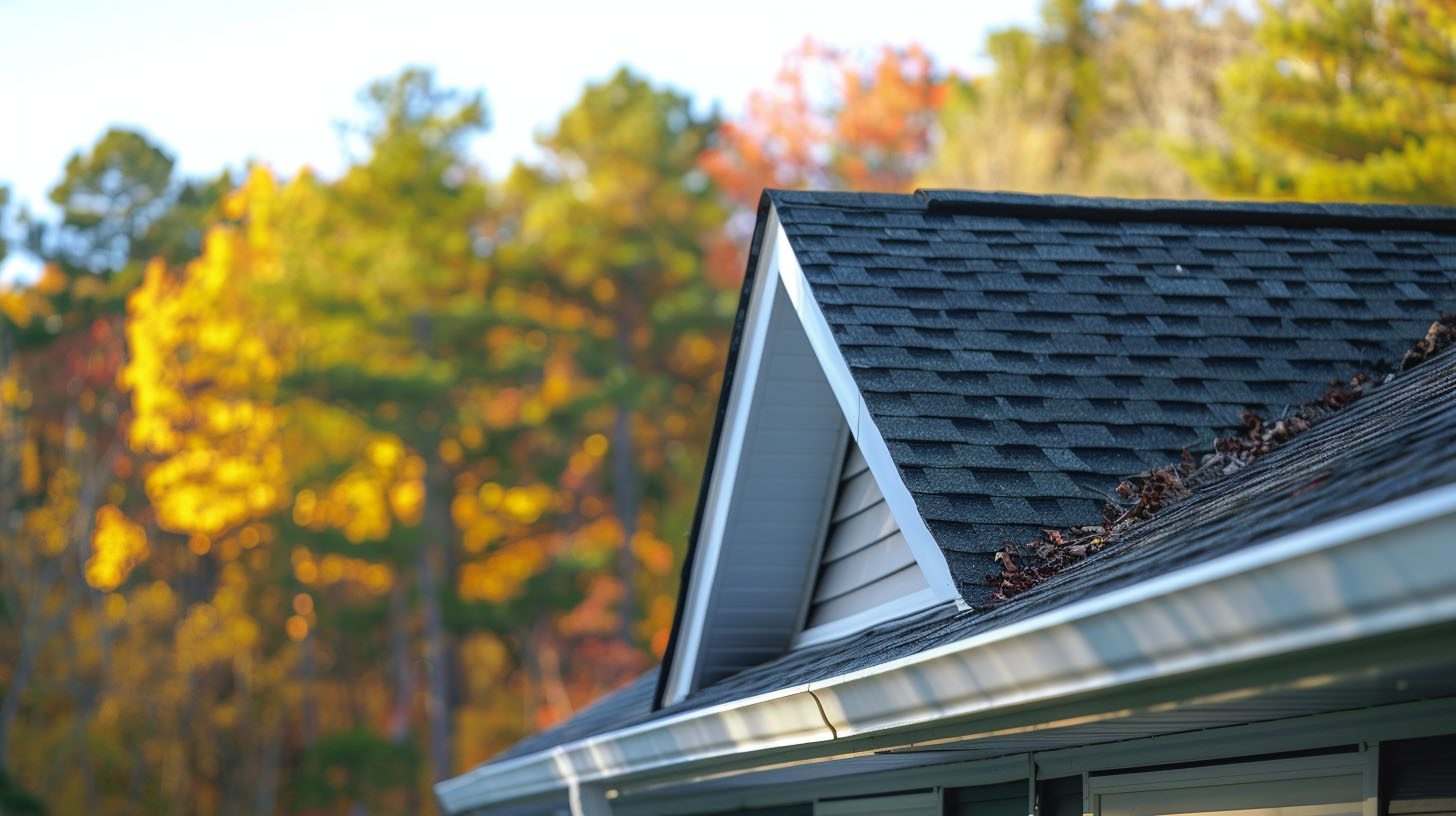
When you think about your roof, you probably picture the shingles. But there are hidden components that are just as important. One of these is roof flashing. It’s a key part of your home’s complete roofing system. Without it, your roof can’t create the watertight seal needed to protect you from rain and snow, leading to costly problems.
Understanding Roof Flashing and Its Role in Roofing
Roof flashing might seem like a small detail in your overall roofing system, but its role is huge. It’s your roof’s primary defense against water penetration in its most vulnerable spots. For all types of roof structures, this simple component is the key to preventing roof leaks. Let’s explore what roof flashing is, why it’s essential for homes here in Castle Rock, CO, and how it works to keep your house safe and dry.
What Is Roof Flashing?
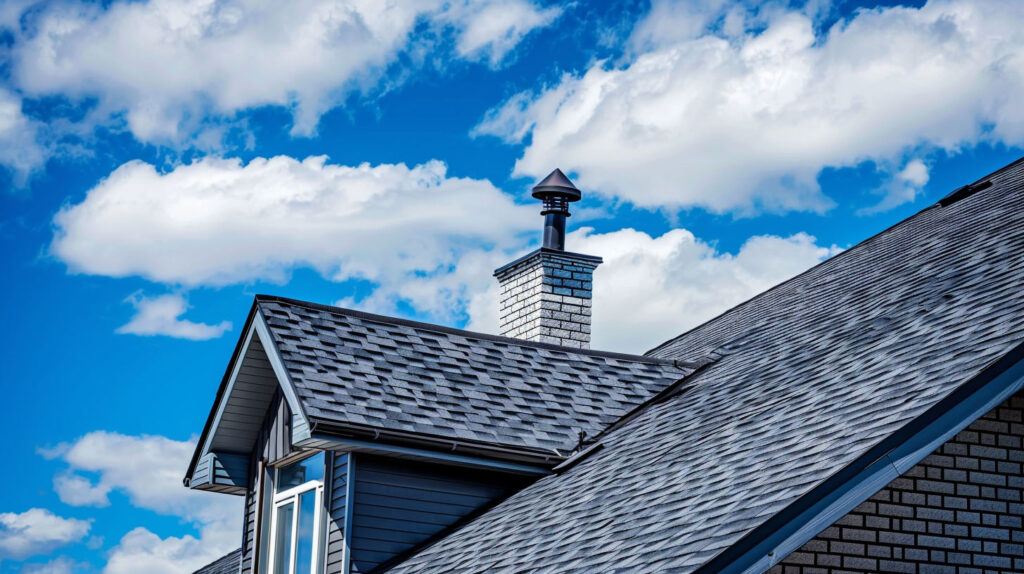
So, what exactly is roof flashing? It’s typically a thin metal material that we, as professional roofers, install at points on your roof where leaks are most likely to occur. Think of joints, valleys, or areas where your roof meets a vertical surface like a wall or chimney. Each piece of flashing is carefully placed to channel water away from these seams. This creates a durable, watertight seal that integrates with the rest of your roofing system. Without it, water could easily seep into cracks, causing damage you can’t see until it’s too late. It’s an essential part of a properly constructed roof.
Why Every Roof in Castle Rock, CO Needs Flashing
Living in Castle Rock, CO, you know our weather can be unpredictable. From heavy snowfall in the winter to intense summer rainstorms, your roof takes a beating. This is precisely why roof flashing is not just an option—it’s a necessity for every local home. The unique weather conditions here put your roof under constant stress. Flashing acts as a barrier, preventing water penetration at the most critical points, such as where your roof meets a chimney, skylight, or vent pipe. Without this protection, your home is at high risk for roof leaks, rot, and structural issues. It’s a simple component that provides powerful defense against Colorado’s elements.

The Core Function of Roof Flashing in Home Protection
The core function of roof flashing is simple yet critical: it manages water flow. This material plays a vital role in your home protection strategy by ensuring moisture goes where it’s supposed to—into your gutters and away from your house.
It is installed in areas where your roof changes direction or is penetrated by an object. Its primary job is to direct water away from these seams and joints, preventing it from getting underneath your shingles. The consequences of poor or missing flashing can be severe.
Here is how it protects your home:
- Prevents roof leaks around chimneys, vents, and skylights.
- Shields against water damage to your roof deck and attic.
- Stops mold and rot from developing in your home’s structure.
- Maintains the structural integrity of your entire roof.
Common Types of Roof Flashing Used by Verity Roofing
At Verity Roofing, we know that not all roofs are the same. That’s why we use many different types of roof flashing to ensure every part of your roof system is secure. Each type is designed for a specific purpose and location on your roof. From step flashing along walls to flashing designed for valleys and chimneys, using the correct common types is crucial for a long-lasting, leak-free roof. We’ll explain some of the most important ones we use.
Step Flashing, Counter Flashing, and Chimney Flashing Explained
Among the most common types of roof flashing, a few are essential for protecting vertical intersections. Step flashing is particularly important because it is woven into the shingles where a roof meets a sidewall, creating a layered barrier.
Each piece of flashing overlaps the one below it, like steps, guiding water safely down the roof. Counter flashing is often used with it, especially on brick chimneys, to cover the top of the step flashing and create an even more secure seal.
These are some of the key types:
- Step Flashing: L-shaped pieces layered with shingles along walls.
- Counter Flashing: Placed over step flashing to block water from getting behind it.
- Chimney Flashing: A combination of step and counter flashing that wraps around the base of a chimney.

Valley, Drip Edge, and Skylight Flashing Applications
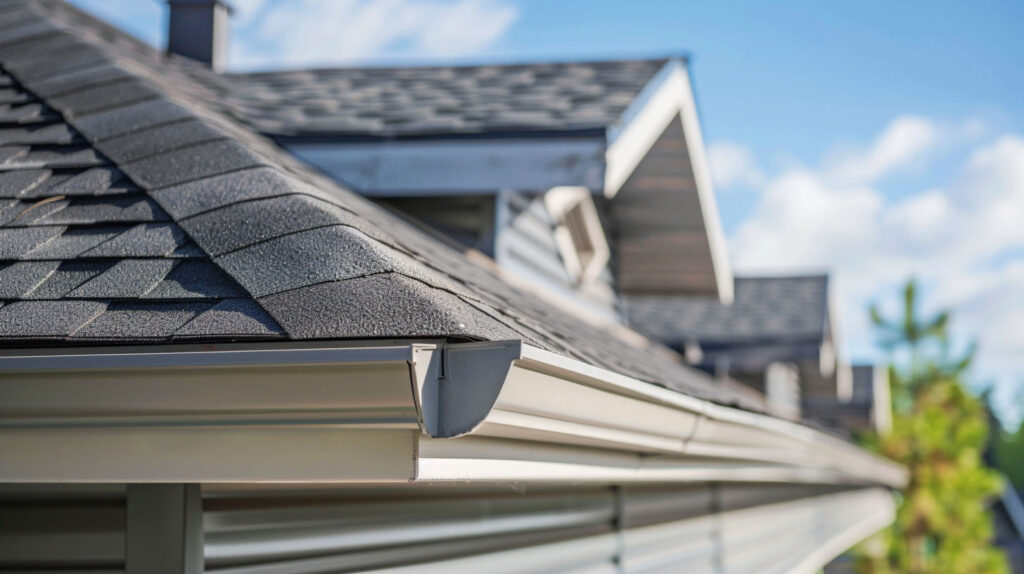
Other critical areas on your roof include valleys, edges, and any penetrations like skylights. Roof valleys, where two roof slopes meet, handle a large volume of water and require robust valley flashing to prevent pooling and leaks. This material forms a channel to guide water into the gutters. Drip edge is another important type installed along the roof’s edge. It directs water away from your fascia and into the gutters, preventing rot and water stains along the eaves. For roof penetrations, custom kits like skylight flashing are used. These are designed to fit perfectly around the opening, ensuring a watertight seal that protects one of the most leak-prone areas on any roof.
Matching Flashing Types to Roofing Materials Like Asphalt, Metal, and Slate Tile
A proper match between flashing types and roofing materials is essential for ensuring a watertight seal and maintaining the overall structural integrity of your roof. Asphalt shingles, for example, often require step flashing to manage roof penetrations effectively, while metal roofs benefit significantly from continuous flashing, which allows for efficient water runoff. For slate tile roofs, the use of copper flashing can prevent water damage through durable, corrosion-resistant material. Choosing the correct type of flashing not only enhances durability but also reduces the likelihood of costly repairs.
Choosing the Right Roof Flashing Materials
Just as important as the type of flashing is the flashing material itself. Choosing the proper flashing ensures it will last as long as your roof and stand up to the elements. Materials range from standard aluminum flashing to premium copper flashing, each offering different levels of durability and aesthetics. The right choice depends on your budget, your roofing material, and our local climate. We can help you select a material that protects every roof surface effectively.
Popular Flashing Materials – Aluminum, Copper, Steel, and Rubber
There are several popular choices for flashing material, each with its own benefits. Galvanized steel flashing is a common, cost-effective option that resists rust. Aluminum flashing is lightweight, corrosion-resistant, and easy to work with, making it another popular choice. For homeowners looking for superior durability and a touch of elegance, copper flashing is an excellent investment that develops a beautiful green patina over time. On some commercial or flat roofs, rubber flashing may be used to seal around pipes and vents.
Here are some popular flashing materials:
- Aluminum: Lightweight and rust-proof.
- Galvanized Steel: Strong, durable, and budget-friendly.
- Copper: Extremely long-lasting and adds a premium look.
- Rubber: Flexible and ideal for sealing around roof penetrations.

How Material Choice Affects Durability and Roof Longevity
Your choice of flashing material directly impacts the durability and overall roof longevity. A higher-quality sheet metal, like copper, can last for over 100 years, making it a perfect partner for a long-lasting roof system like slate or a premium copper roof.
Cheaper materials might save money upfront but can fail sooner, especially under harsh weather conditions. If the flashing corrodes or cracks, it compromises your entire roof, leading to leaks long before your shingles wear out. Investing in a durable flashing material ensures your roof’s most vulnerable points are protected for decades. It’s a key part of building a roof that is truly meant to last.
Brands and Quality Flashing Products Used by Verity Roofing
At Verity Roofing, our mission is “Thoughtful Execution From Every Nail.” That’s why we only partner with brands known for quality. We use flashing products that are compatible with top-tier systems from IKO, Owens Corning, and Atlas to ensure seamless integration and performance. As an IKO Roof Pro Select and CertainTeed Shingle Master, we are trusted by these leading brands.
Unlike some roofing contractors who might cut corners with a subpar flashing material, we treat your roof as if it were our own. Professional installation with quality products is the only way to guarantee long-term roof durability.
Our commitment to excellence includes:
- Using flashing from trusted brands.
- Ensuring material compatibility with your chosen shingles.
- Guaranteeing a perfect seal for lasting protection.
Get Quotes Today
In summary, roof flashing plays a critical role in safeguarding your home from water damage and ensuring the longevity of your roofing system. Its importance cannot be overstated, especially in areas like Castle Rock, CO, where weather conditions can be unpredictable. By understanding the different types of flashing and selecting appropriate materials, you can protect your investment and maintain the integrity of your roof. At Verity Roofing, we prioritize quality and craftsmanship, treating every roof as if it were our own. If you’re ready to fortify your home with the right roof flashing solutions, don’t hesitate to get quotes from us today!
Frequently Asked Questions
What happens if you don’t have roof flashing?
Without roof flashing, your home is extremely vulnerable to water intrusion. This leads to roof leaks, widespread water damage, and costly structural damage. It also creates the perfect environment for dangerous mold growth inside your walls and attic, posing a health risk to your family.
Should flashing be replaced with a new roof?
Yes, absolutely. Reusing old flashing material during a roof replacement is a risky shortcut. A roofing professional will always install new flashing with a new roof to ensure a complete, watertight seal and validate the manufacturer’s warranty, protecting your investment for years to come.
Read our blog: How Your Roof Affects Home Energy Efficiency