Rooftop Solar That Starts
With the Roof Underneath It
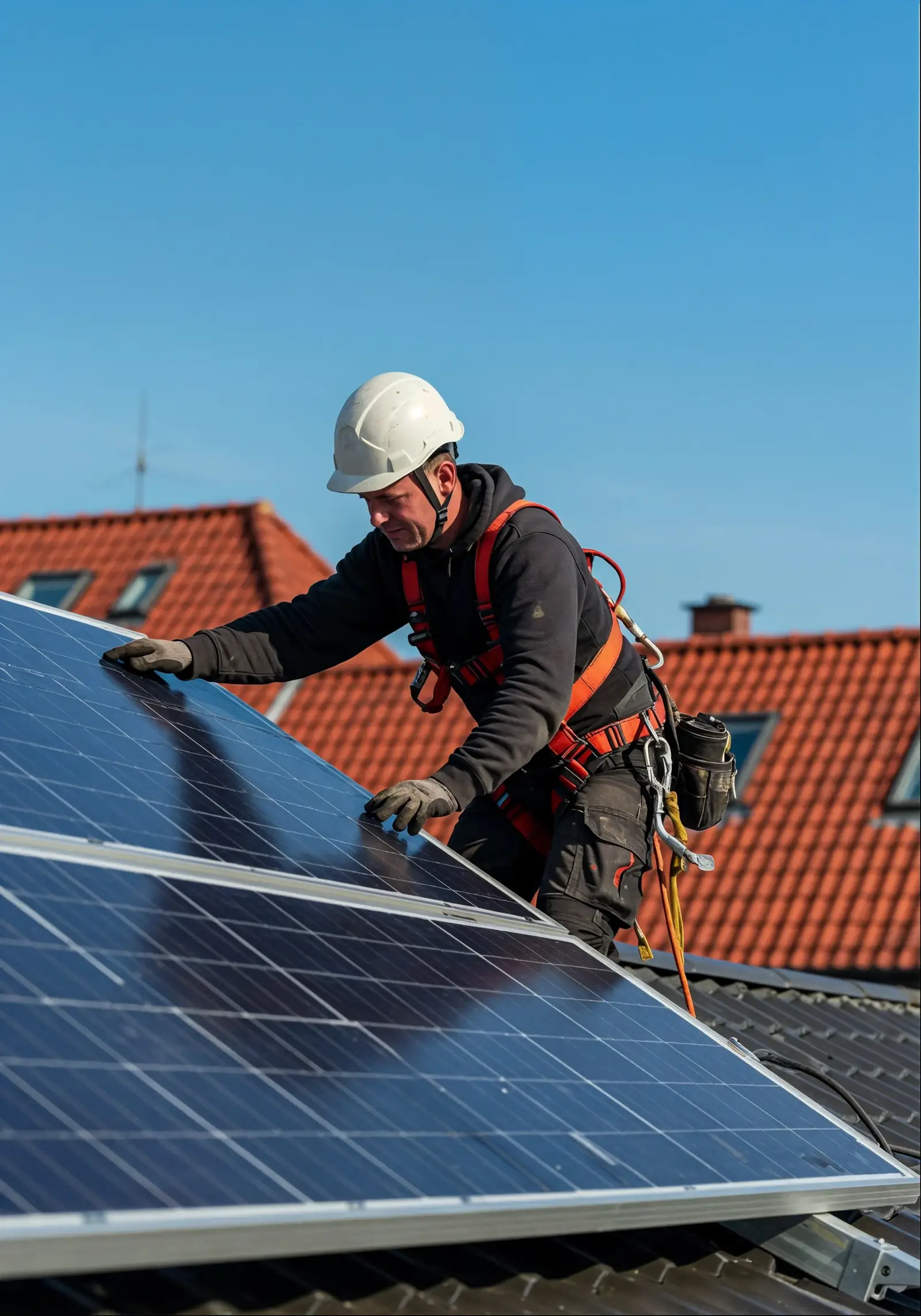
Solar panels are built to make power for a very long time, so the roof holding them has to last at least that long. Before we set a single bracket, we confirm your roof can carry the array and outlast it.
We Look at the Roof Before We Look at the Sun
Solar is an electrical decision that lives on a roof. That's an easy thing for a solar company to forget, and a hard thing for a roofer to ignore. At Verity, we come at rooftop solar from the roofing side first. Panels make power for decades, so the surface under them has to last just as long. Before we talk arrays, inverters, or output, we answer a simpler question: can this roof carry solar, and will it still be sound long after the panels go on?
That answer starts with a free roof inspection. We check the age and remaining life of the roof you already have, the condition of the decking and framing underneath, and how the roof is oriented and shaded through the day. If the roof is healthy and built to take the load, good, we move forward. If it isn't, you'll hear that from us plainly, before anyone climbs up with a drill.
We will not mount panels on a roof that's near the end of its life. Pulling an array off and putting it back on to replace the roof underneath is costly and avoidable. If your roof should be handled first, we'll say so, even when it's not the answer you were hoping for.
What a Structural Roof Analysis Covers
A solar array adds weight and changes how wind and water move across a roof. The analysis makes sure the roof is ready for all of it.
Here's what we're looking at before we sign off on an installation:
- Remaining roof life, so the panels don't outlast the shingles beneath them
- Load capacity of the decking, rafters, and framing that carry the array
- Condition of the deck, the flashing, and existing penetration points
- Roof orientation, pitch, and how much unshaded sun the surface actually gets
- Whether a repair, or a full roof replacement, should come first
None of that is guesswork. It's the same close look we bring to every roof we inspect, applied to what solar asks of a home. When that check comes back clean, you can add solar knowing the roof under it will go the distance.
Panels or Solar Shingles: Pick the Right Fit
Rooftop panels aren't the only way to put the sun to work. We also install solar roofing shingles, where the power-generating surface is the roof itself instead of an array mounted over it. Panels and shingles solve the same problem in different ways, and the right pick depends on your roof's age and the look you're after.
Panels are often the practical choice when your roof is in good shape and has plenty of life left. You keep the roof you have and add generation on top of it. Solar shingles tend to make more sense when a roof replacement is already on the table, because the roof and the power system go on together as one project. In your consultation we'll lay both paths side by side and tell you which one fits your home and your plans.
Have the same team handle the roof and the panels. When one company owns both, there's no finger-pointing if a leak ever shows up near a mount, because the people who flashed it are the people who answer the phone.
Incentives, Battery Backup, and Paying for Solar
Going solar is a real investment, and a few things can change the math in your favor.
Incentives you may qualify for
Homeowners who install solar may be able to access state and federal solar incentives. Programs change and eligibility depends on your situation, so we won't quote you a number or make promises about credits. What we will do is point you toward the right questions to ask a tax professional, so you can factor any incentives into your decision with clear eyes.
Battery storage and energy independence
If keeping the lights on during an outage matters to you, ask about pairing your system with battery storage. A battery holds the power your roof makes during the day so you can use it at night or when the grid goes down. It's the closest thing to real energy independence, and it's worth raising early, because it shapes how the system is sized.
And if the upfront cost gives you pause, financing options are available to spread it out. We'll walk through what's possible and let you take the numbers home.
How a Solar Project Goes at Verity
- Start with a conversation
Get in touch through the contact page, or just call 303-500-1667. Tell us what you're hoping solar will do for your home.
- Get the roof analyzed
We inspect the roof and run the structural analysis. You get an honest read on whether the roof is ready for solar, or whether it needs attention first.
- Review your options
Panels or shingles, battery or no battery, financing or not. We lay out the trade-offs in plain language so you can choose with confidence.
- Install and follow through
Our crew installs the system and stands behind the roof it sits on, with one point of contact from first bracket to final walkthrough.
There's no hard close at the end of any of this. Learn what you need to, take it home, and call when you're ready. Sunlight is patient, and so are we.
Straight Answers About Rooftop Solar
Do you really inspect the roof before installing solar panels?
Yes, every time. A structural roof analysis is the first step, not an afterthought. We confirm your roof can carry the array and outlast it before we install anything. If the roof isn't ready, you hear it before the work starts, not after.
What happens if my roof is too old for solar?
We'll be honest with you. Mounting panels on a roof near the end of its life just means paying to remove and reinstall them later. If your roof needs to be handled first, we'll walk you through repairing or replacing it, and solar can follow once the roof is solid.
Can I get tax credits or incentives for going solar?
You may qualify for state and federal solar incentives, but programs and eligibility change, so we won't quote amounts or promise savings. We'll point you toward the right questions for a tax professional so you can factor any incentives in accurately.
Can I add a battery for backup power?
Yes. Battery storage lets you use the power your roof makes at night or during an outage, which is the heart of energy independence. It's best to raise it early, because a battery affects how the whole system is sized and installed.
Should I choose solar panels or solar shingles?
It depends on your roof. Panels suit a roof that's in good shape and staying put, while solar shingles fit best when a replacement is already planned. We'll compare both, plainly, in a free consultation and help you land on the right one.