
Commercial Roof Coatings in Colorado:
Silicone and Acrylic Restoration
A coating can buy a sound roof years of extra service for well under the cost of a tear-off. We'll tell you honestly whether yours qualifies.
Restore First, Replace Only When You Must
Commercial roof coatings give Colorado building owners a middle path between patching forever and paying for a full tear-off. Silicone and acrylic restoration systems go on over your existing membrane, seal the surface, and push replacement years down the road while the roof underneath still has life in it.
Here's the part most coating pitches skip: not every roof qualifies.
Coat a failing roof and you've sealed your problems in, not out.
Verity Roofing & Exteriors is a veteran-owned company based in Castle Rock. We apply silicone and acrylic coatings on TPO, EPDM, PVC, modified bitumen, built-up, and metal roofs across the Front Range. Restoration is one tool in the box, not the only one. If your membrane is past saving, we'll say so and walk you through commercial roof replacement instead. Sometimes the answer is neither: a roof that just needs consistent upkeep belongs in a preventative maintenance program, not under a coating. Either way, request a free inspection and we'll put our findings in writing before you spend a dime.
Some roofs we inspect don't need anything yet. We say exactly that and leave. It costs us some coating jobs. So when we do recommend restoration, you can take it to the bank.
Pick the Right Chemistry for Your Roof
Both restore a tired membrane. They behave very differently where Colorado weather pushes hardest.
| Factor | Silicone | Acrylic |
|---|---|---|
| Ponding water | Its signature strength. Silicone holds up where water sits for days after a storm, so it's our default around drains and low spots | Its known weakness. Standing water softens acrylic over time, so it belongs on roofs that drain well |
| UV and sun | Extremely stable under our intense high-altitude sun; it weathers slowly at the surface instead of breaking down | Good UV resistance and it stays flexible, but hard sun and freeze-thaw cycling wear it faster than silicone |
| Recoating later | Once a roof goes silicone, it stays silicone. Very little else sticks to it, so every future recoat must be silicone too | The easy one. Water-based, simple to apply, and simple to recoat when the time comes |
Slope, drainage, budget, and how long you plan to hold the building all push the choice one way or the other. We'll walk the trade-offs with you on your actual roof.
A coating restores the surface. It doesn't fix what's underneath. Wet insulation, failed seams, and rusted decking must be repaired first, every time. Any bid that skips a moisture check should make you nervous.
Know When Restoration Wins
and When It Wastes Your Money
Coatings are the right call more often than most owners realize. They're also oversold. Here's where we draw the line.
A coating earns its keep when:
- The membrane is aging but sound, with isolated problems rather than widespread failure
- Core samples or a moisture scan confirm the insulation underneath is dry
- Seams, flashings, and penetrations can be repaired and detailed before the coating goes on
- You want to defer replacement capital for years while you plan for it properly
- Ponding is limited enough for silicone to handle, or the roof drains well enough for acrylic
Replacement is the honest answer when:
- Moisture testing finds saturated insulation across large areas, because coating over wet insulation traps the problem and rots the roof from below
- Seams are failing everywhere, not just in spots
- The membrane is brittle, shrinking, or pulling away at the perimeter
- Leaks have run long enough to damage the deck itself
If a contractor quotes you a coating without cutting a core sample or running a moisture scan, get a second opinion. A coating sprayed over soaked insulation can look flawless from above while the roof underneath quietly rots. The surface shines. The problem stays.
Turn the Colorado Sun From Enemy to Ally
A Cooler Roof Works Less and Lasts Longer
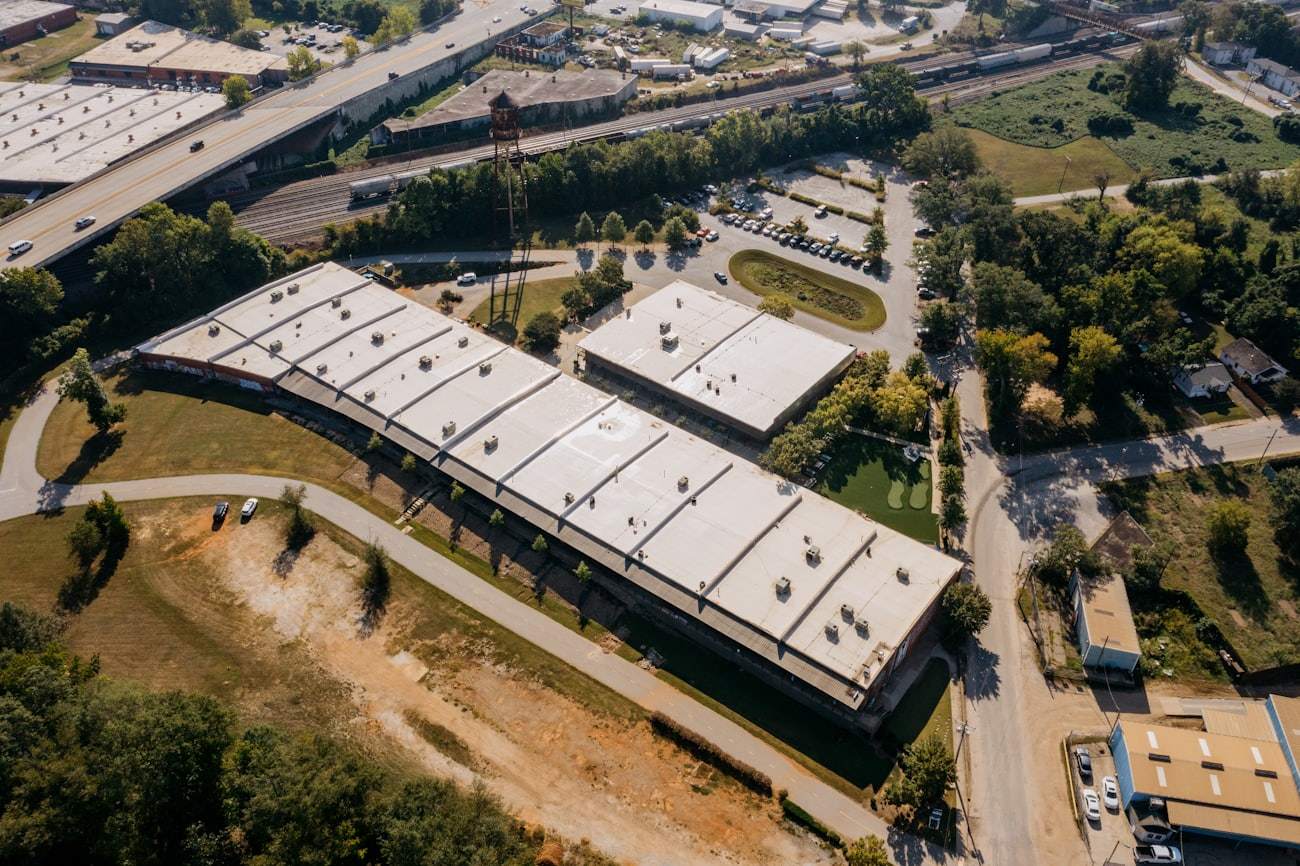
Most restoration coatings cure to a bright white, reflective finish. That matters here. A dark membrane soaks up our high-altitude sun all day, while a reflective surface bounces much of that heat away, so the roof runs noticeably cooler through summer afternoons.
A cooler roof pushes less heat into the building and eases the load on rooftop HVAC. It also takes less thermal shock, the daily expand-and-contract stress that ages membranes fast at this altitude.
We won't quote you a savings percentage, because anyone who promises one without studying your building is guessing. What we'll say plainly: reflective roofs run cooler, and cooler roofs last longer.
See How a Coating Project Actually Runs
- Free inspection and moisture check
We walk the roof, fly the drone, and verify what's under the membrane with core samples or a moisture scan where warranted. No guessing allowed.
- Straight recommendation in writing
You get a condition report with photos and options ranked by what solves the problem for the least money: coat, repair, replace, or leave it alone for now.
- Repairs and prep
Failed seams, flashings, and any wet insulation get fixed first. Then the roof is cleaned, primed where required, and detailed at every penetration.
- Application
The coating goes on at the manufacturer's specified thickness, with seams and penetrations reinforced. Your building stays open the whole time. No tear-off, no dumpsters, far less noise.
- Documentation and upkeep
We do a final walkthrough together, hand over photos for your records, and set a maintenance schedule so the coating reaches its full service life.
Wondering whether your roof qualifies? Schedule a free inspection or call 303-500-1667. If a coating isn't the right move for your building, we'll tell you that too.
Roof Coating Questions We Hear Most
How do I know if my roof is a good candidate for a coating?
The membrane needs to be structurally sound with dry insulation underneath and seams that can be repaired before coating. We confirm all of that with a free inspection, plus core samples or moisture scanning when needed. If your roof doesn't qualify, we'll tell you directly instead of coating over a problem.
Silicone or acrylic: which is better for a Colorado roof?
It depends on the roof. Silicone handles ponding water and our intense UV better, which suits flat roofs with drainage quirks. Acrylic suits roofs that drain well and is easier to recoat in the future. We match the chemistry to your building and your plans for it, not to a one-size answer.
How disruptive is a coating project compared to a replacement?
Far less disruptive. There's no tear-off, no dumpsters, and much less noise, and your building stays open throughout the work. We still plan staging and access around your operations so tenants barely notice us.
Will a coating stop my roof from leaking?
Not by itself. A coating is a restoration layer, not a leak repair, so the causes of any leaks have to be fixed first. We repair seams, flashings, and wet areas before anything gets sprayed. Coating over active problems just seals them in, and we won't do it.