
Roofing in Madison
Built for Wisconsin Winters
Ice dams, snow load, and hard freeze and thaw cycling put steady pressure on a Dane County roof. We inspect for free, explain what we actually find, and tell you plainly when your roof still has life left in it.
What Madison Weather Asks of a Roof
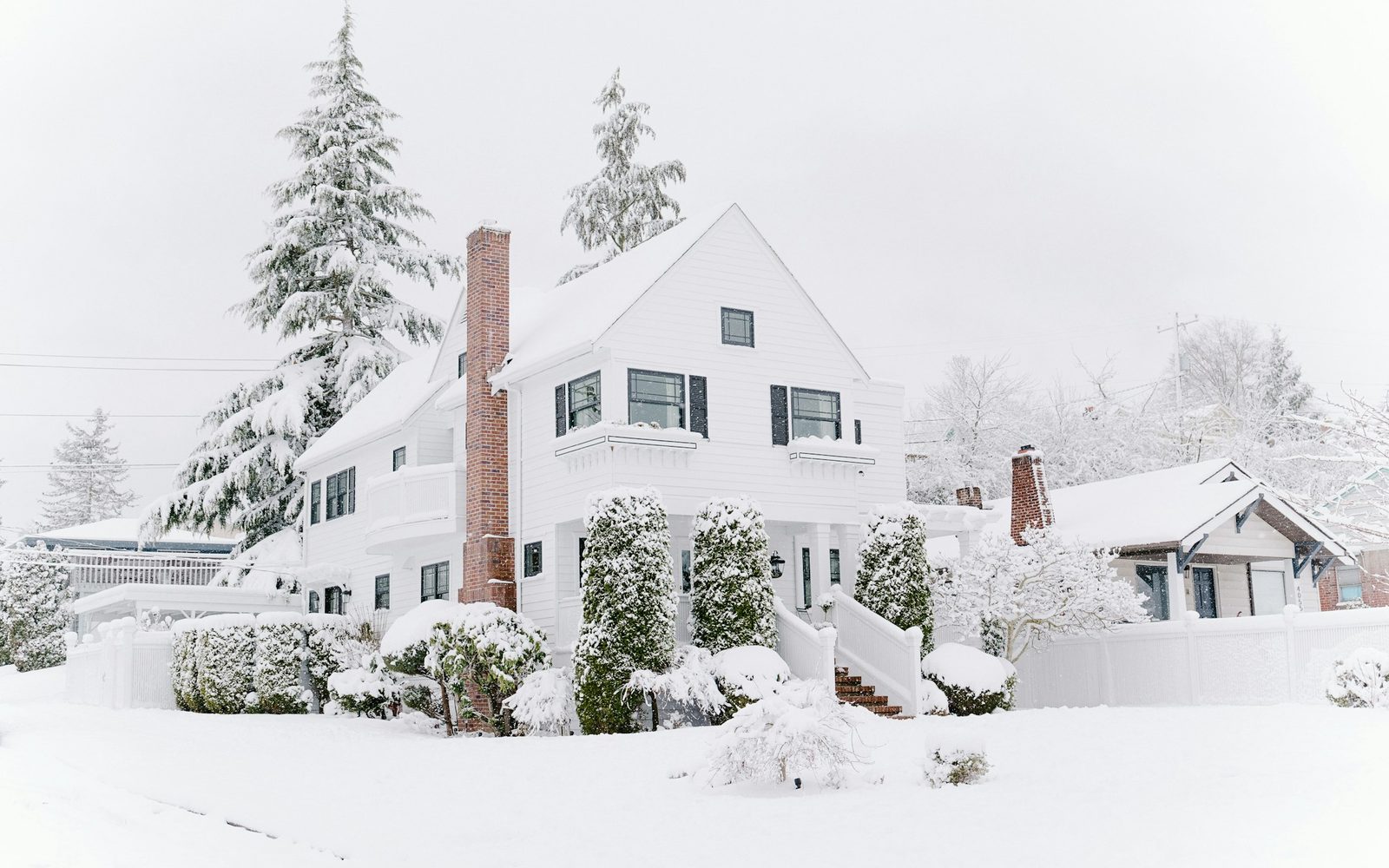
Winter here is long, and snow that lands early in the season can still be sitting up there months later. That load matters, but the part that quietly wears a roof out is the cycling. Deep cold, a sunny afternoon that thaws the surface, a hard refreeze overnight, over and over into spring. Every swing makes materials expand and contract. Sealant turns brittle, fasteners work loose, flashing at chimneys and sidewalls gives up its grip, and aging shingles crack instead of bend.
None of that announces itself. It shows up as a brown ring on a bedroom ceiling after a thaw. So we start with a free roof inspection rather than a quote, and we get into the attic. In this climate the attic usually tells you more than the shingles do.
If you only ever see your roof from the driveway, you will miss the two places a Wisconsin winter attacks first: the flashing details and the eaves.
Ice Dams Start Inside the House
If one roofing problem defines this part of Wisconsin, it is the ice dam. How it forms explains why new shingles alone rarely solve it.
Warm air from inside the house leaks into the attic and heats the underside of the roof deck. Snow on that warmed section melts and runs toward the eaves, which hang over open air and stay cold. There the water refreezes into a ridge of ice. The next round of meltwater pools behind that ridge and sits. Shingles shed water that keeps moving. They were never meant to hold standing water, so it creeps under the shingle edges and into your ceiling.
Drainage is part of the same picture. A gutter packed with ice gives that water one more place to stall at the eave, so we look at the gutters along with the roof instead of treating them as a separate job.
Ventilation
A roof needs to breathe. Cold air should enter low at the soffit, run up the underside of the deck, and leave high at the ridge, keeping the deck near the outdoor temperature so snow melts evenly instead of only over warm spots. Plenty of attics here have a ridge vent up top and intake below that is painted shut, buried under insulation, or never cut open. A system that only works at one end is barely a system at all.
Insulation and Air Sealing
Ventilation moves air. Insulation and air sealing keep house heat out of the attic to begin with. Recessed lights, a bath fan venting into the attic, an unsealed hatch, gaps around plumbing stacks: each one pushes warm air right where you do not want it. Correcting those often costs less than roof work, and it treats the cause, not the symptom.
So when a Madison homeowner calls about ice dams, we do not open with a shingle pitch. We look for why the roof is warm. Sometimes the answer is a targeted roof repair at a failed flashing detail. Sometimes it is ventilation work. And sometimes the roof really is finished, in which case a full roof replacement is the honest call, and we build the ventilation and the ice barrier correctly on the way back up.
Chipping at an ice dam with a hammer feels productive and usually costs you shingles. Rakes and heat cables are stopgaps. The fix is a colder attic.
Warm Months Bring a Different Problem
Spring and summer push thunderstorms across southern Wisconsin, and they arrive with wind and hail. Wind lifts shingle tabs and peels ridge caps, usually starting at an edge where a previous crew cut a corner. Hail bruises the mat under the surface granules, which can look like almost nothing from the ground while cutting real life off the roof.
After a storm we get on the roof, photograph what we find, and walk you through it. If the damage is real, our storm damage restoration crew handles the rebuild, and we can help you make sense of the insurance claim process. If what we find is cosmetic or predates the storm, we say that instead. We would rather lose the job than talk you into a claim you do not need.
Older Roofs and Newer Subdivisions
Madison's housing stock covers a lot of ground, and the work changes with it. Near downtown and along the isthmus, homes come with steep pitches, dormers, complicated valleys, and history above the ceiling. On those roofs we regularly find soft decking, ventilation that was never really designed, and more than one layer of old roofing left in place. All of that changes the scope, and you should hear it before the tear-off, not after.
Toward the edges of the city, newer subdivisions bring simpler shapes and different questions: builder-grade materials reaching the end of their run at about the same time across a street, and vent details that could be doing more. Whichever house you own, we walk you through the roofing systems that suit it, including the underlayment and ice barrier decisions that matter more here than shingle color.
Veteran-Owned and Straight With You
Verity Roofing & Exteriors is veteran-owned. Brian Zimmerman founded the company after serving as a Marine, and the standard he set still runs the crews: show up when we said we would, do the work right when nobody is watching, clean the site before we leave. We are headquartered in Castle Rock, Colorado, and our crews work in the Madison area. There is no Madison office to walk into, and we would rather tell you that than let you assume otherwise. You call 303-500-1667 and you get the same company, the same crew standard, and the same inspection.
Inspections are free, we are licensed and insured, and we would rather teach you how your roof works than push you to replace it. Some of our most useful visits end with us saying the roof is fine. See the rest of the areas our crews cover on our service areas page, and if you are just west of the city, we serve Middleton too. When you are ready, use our contact page or call.
Madison Roofing Questions, Answered
What actually causes ice dams on my Madison roof?
Heat escaping from the house into the attic. It warms the roof deck, snow melts, the water runs to the cold eaves and refreezes, and the water pooling behind that ice works under the shingles. The roof surface is the victim, not the cause, so the fix starts with ventilation, insulation, and air sealing.
Will a new roof stop my ice dams?
Not on its own. A roof installed with proper intake and exhaust ventilation, an ice and water barrier at the eaves and valleys, and a sealed, well-insulated attic underneath will handle winter far better. New shingles over the same warm attic will still dam up.
How can I tell if hail damaged my roof?
Usually you cannot tell from the ground. Hail bruises the mat beneath the granules, so the surface can look close to normal while the shingle has lost much of its remaining life. We get on the roof, photograph what we find, and show you. If it came through fine, we say so.
Do you have an office in Madison?
No. We are headquartered in Castle Rock, Colorado, and our crews serve the Madison area. You get the same crew standard, the same free inspection, and the same phone number, 303-500-1667.