
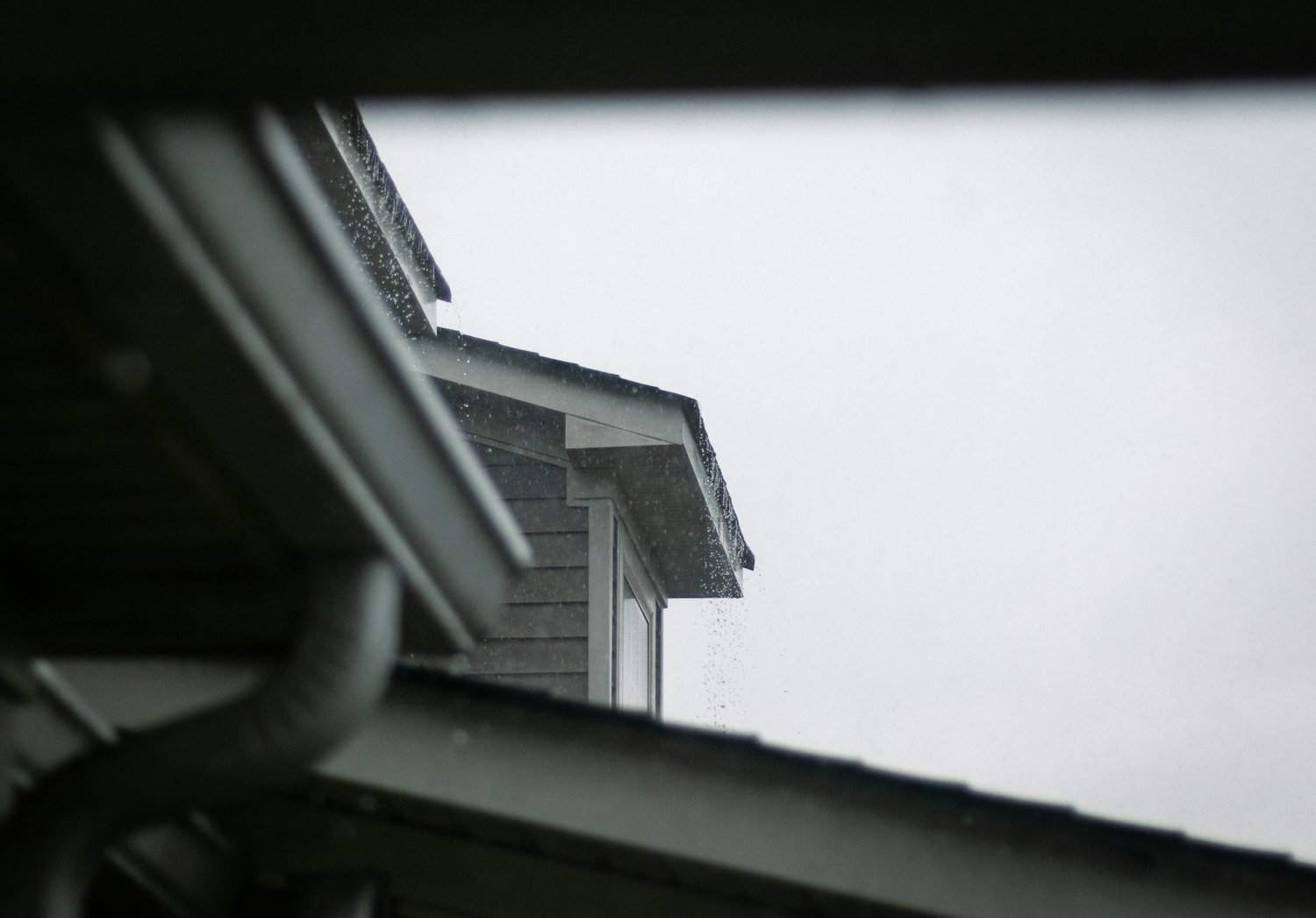
Seam-Free Gutters, Guards, and
Downspouts for Colorado Homes
We form each gutter in one continuous piece, sized for Front Range storms. And if yours just need a repair, that's exactly what we'll tell you.
Understand Why Gutters Fail in Colorado
Gutters here don't die of old age. The climate kills them, and it usually starts small.
Nobody thinks about gutters until water is sheeting over the edge, pooling at the foundation, or icing up the front walk. We think about them constantly, because we're usually the ones tearing out the rotted fascia a failed gutter leaves behind.
Gutters and downspouts work as one system with your roof, so we treat them that way. When we're on site for a roof replacement or handling roof repairs after a storm, we check the gutters too, no charge and no pressure. Already spotted a problem? Reach out and we'll come take a look.
Here's what actually wrecks gutters along the Front Range.

Freeze-Thaw Cycles
Snowmelt runs all afternoon, then freezes hard overnight. Water trapped in joints and behind hangers expands and pries them apart, one cycle at a time. Fewer seams means fewer places for ice to get a grip.

Ice Dams
Attic heat melts rooftop snow, and it refreezes at the cold eave. The ice that builds in a gutter gets heavy fast, bending hangers and tugging fascia loose. Gutters don't cause ice dams, but they take the beating.

Hail Dents
Front Range hail flattens the slope out of a run and crushes downspout openings. Some dents are purely cosmetic. Some change how water moves. We'll tell you which yours are, honestly.

Pine Needles and Grit
Needles mat into a layer water can't pass through, then shingle grit and cottonwood fluff finish the clog. Downspouts choke from the top down, and overflow starts at the worst possible spot.
Pick the Right Gutter System,
Not Just the Cheapest
Sectional gutters come in short lengths you join together, and every joint depends on sealant. One-piece gutters are different. They're formed on site from a single coil of aluminum, rolled out to the exact length of each run, so the only joints are at corners and downspout outlets.
Why does that matter here? Because sealant is the first casualty of Colorado weather. Sun bakes it. Freeze-thaw cracks it. Then every joint becomes a slow drip that stains the fascia and rots the board behind it.
| Option | Best For | Trade-Off |
|---|---|---|
| One-piece, formed on site | Long runs, fewer leak points, a cleaner look. Our recommendation for most Colorado homes. | Needs a fabrication machine and a trained crew, so it isn't a DIY product. |
| Sectional, joined lengths | Sheds, detached garages, quick fixes where long life isn't the goal. | Joints every few feet, and each one relies on sealant that this climate breaks down. |
We've torn down plenty of sectional gutter that failed at every single joint while the metal between them was still fine. The material rarely gives out first. The seams do.
Get the Honest Story on Gutter Guards
Guards solve real problems. They also get oversold. Here's the truth from the people who install them.
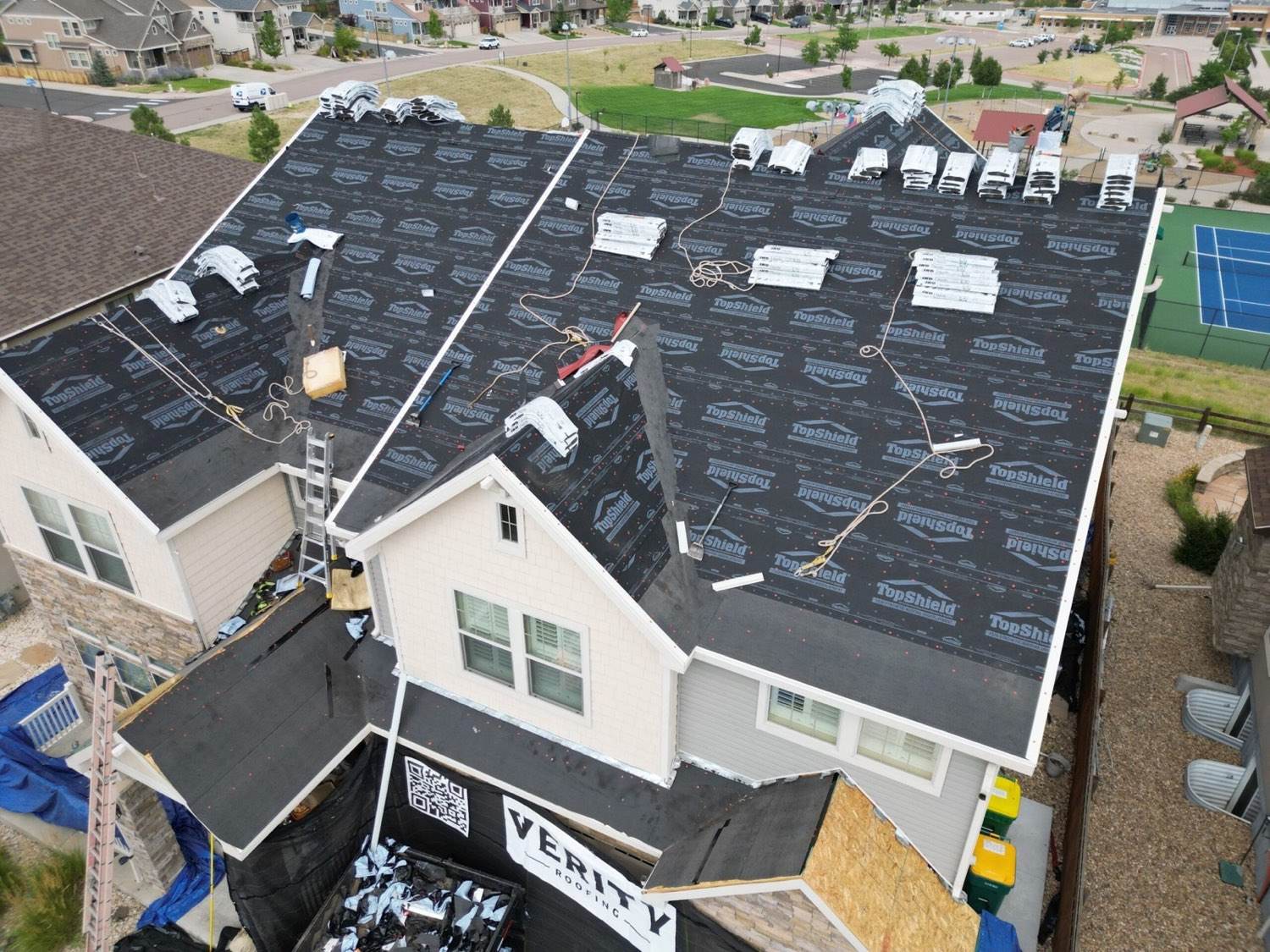
What Guards Actually Do
Guards keep the big stuff out: leaves, twigs, most of what a windstorm drops on your roof. If your home sits under mature trees, they can turn a miserable every-fall ladder chore into a quick check. That's a real benefit, and for plenty of our customers it's worth every penny.
What guards don't do is end maintenance. Pine needles and shingle grit can still collect on top of some screens, and no guard on the market stops an ice dam. If someone tells you guards mean never touching your gutters again, hang on to your wallet.
A Guard Earns Its Keep When
- Trees overhang the roof or stand close enough to fill your gutters every fall
- Climbing a ladder a few times a year isn't safe or realistic for you
- Downspouts keep clogging even after regular cleanings
- You're replacing gutters anyway, so adding guards takes little extra labor
Guards can't fix gutters that are pitched wrong, pulling off the fascia, or undersized for the roof above them. Fix the system first. Then decide whether guards make sense.
See How a Gutter Replacement Works
No mystery, no surprises. This is the job from first look to final walkthrough.
- Start with an honest inspection
We check the gutters, the fascia behind them, and the roof edge above. If new hangers and a re-pitch will solve it, we'll recommend the repair and skip the sales pitch.
- Plan the drainage
We map where water should go and place downspouts where they'll actually carry it away from your foundation, not just where the old ones happened to be.
- Form each run on site
Our machine rolls each gutter from a single coil of aluminum, cut to the exact length of the wall. No joints along the run means no seams to fail.
- Hang and pitch it right
Hidden hangers anchored into solid fascia, a steady slope toward every outlet, sealed corners. Pitch is where cheap installs go wrong, so we're picky about it.
- Test it and walk the job
We run water through the system, watch every downspout drain, and walk the finished work with you before we call it done.
Get Answers Before You Spend a Dollar
Do I need new gutters when I get a new roof?
Not always, and we'll tell you either way. If your gutters are hung tight, pitched well, and draining, they can usually stay right where they are through a roof replacement. If they're dented, sagging, or leaking at the joints, replacing them while a crew is already on site is the practical time to do it.
Are gutter guards worth it in Colorado?
For homes under mature trees, usually yes. Guards keep out leaves and most large debris, which means far less time on a ladder. They don't stop ice dams, and fine material like pine needles and shingle grit can still build up on some screens, so plan on an occasional check rather than zero maintenance.
Will insurance cover hail-damaged gutters?
Often, when the damage is real and part of a legitimate hail claim on the roof. We document gutter damage honestly, and we won't push a claim for dents that are purely cosmetic. If a storm hit your home, we'll inspect for free and give you a straight answer before you ever call your carrier.
Should I repair my gutters or replace them?
If the issue is a loose hanger, a failed corner seal, or one section knocked out of pitch, a repair is usually the right call and that's what we'll recommend. Replacement makes sense when joints are failing in several places, the metal is fatigued, or the system can't keep up with the roof above it. We'll show you what we found and let you decide.