
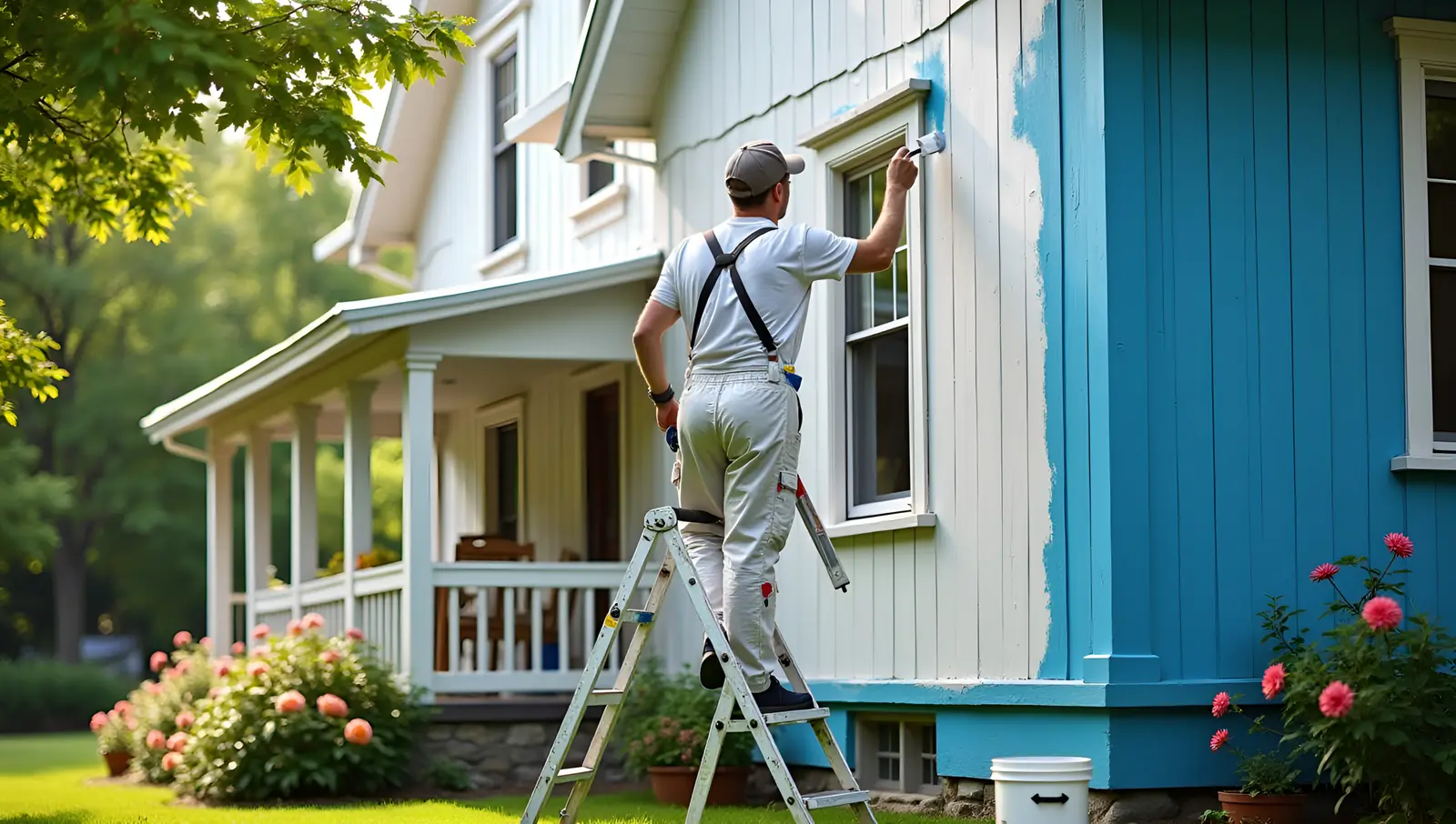
Exterior Painting in Colorado:
Post-Storm and Full Repaints
Colorado sun and hail chew through paint faster than most homeowners expect. We prep like it matters, and we'll tell you straight if your house doesn't need us yet.
What Front Range Weather Does to Paint
Exterior painting in Colorado is its own animal. The sun is stronger at this altitude, hail shows up most summers, and the swing between a warm afternoon and a hard overnight freeze pries at every caulk joint and hairline crack on your house.
We're a roofing and exteriors company first, so much of the painting we do happens alongside siding replacement and storm damage restoration. That context shapes how we think. We treat paint the way we treat a roof: as a protective layer that fails for specific, predictable reasons.
If you're not sure what your walls need, schedule a free inspection and we'll walk the house with you, no pressure attached.
High-Altitude UV
Thinner air means more ultraviolet light hitting your walls, and UV is what breaks paint down at the chemical level. South and west walls fade and chalk first. If you rub a hand across the siding and it comes back powdery, the finish is already failing.
Hail Scuffs and Wind Grit
Hail bruises and chips painted surfaces, and wind-driven grit works like slow sandpaper. Paint damage from a storm usually shows up alongside dented gutters and damaged siding, which is why we inspect all of it together.
Freeze-Thaw Cycling
Moisture slips into small cracks and failed caulk, freezes overnight, and expands. Do that over and over and paint pops loose from the inside out. Caulk joints around windows and trim almost always give up first.
Bundle Painting Into Your Storm Restoration
If hail already earned you a new roof or new siding, that's the best moment to paint.
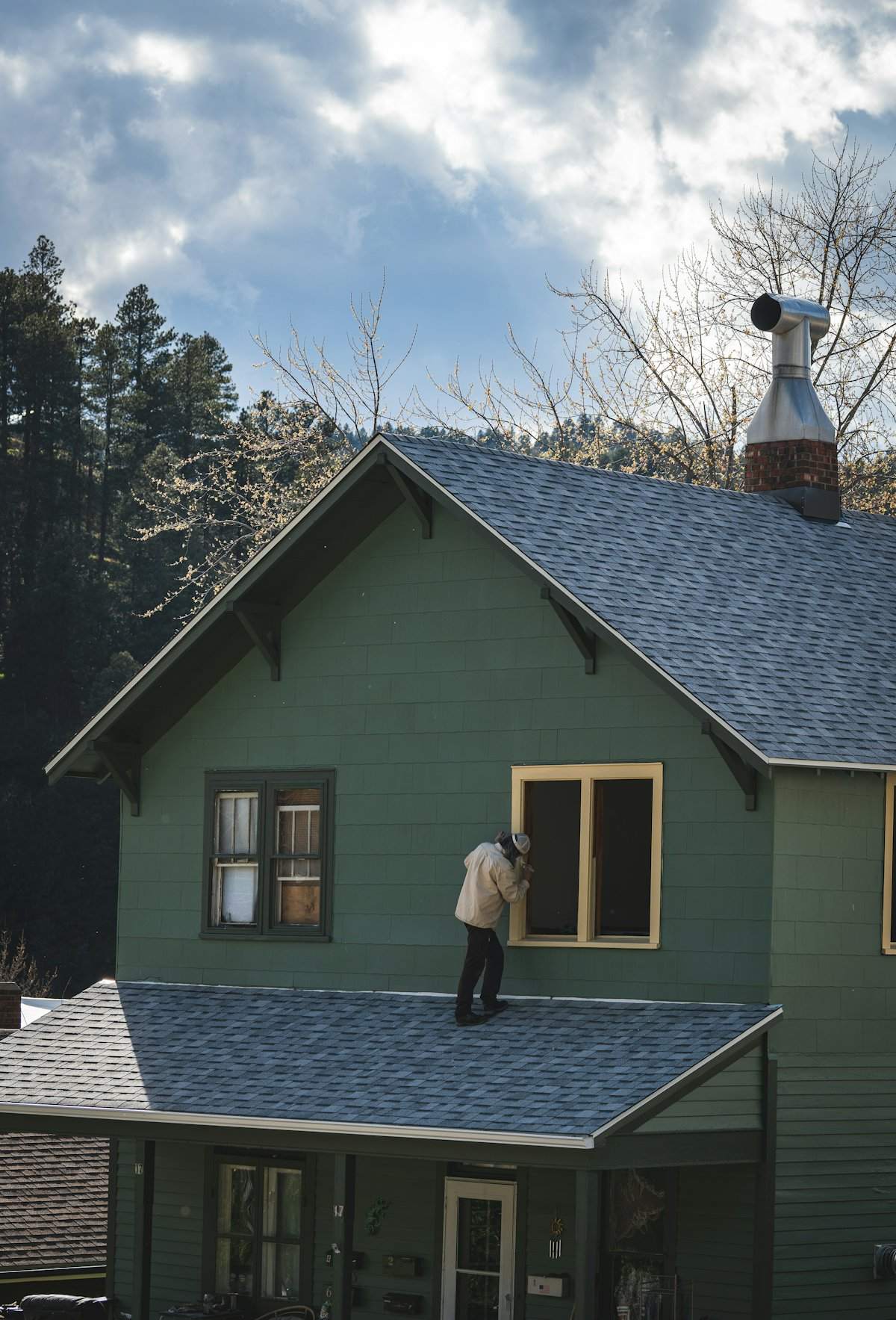
One Project, One Crew, One Cleanup
Replacement siding sections almost never match paint that's been fading in the sun for years. Coating the whole wall during the restoration keeps your home looking whole instead of patched.
The practical side is just as real. Site protection is up, ladders are out, and the crew already knows your house. You get one schedule and one cleanup instead of living through two separate projects.
The honest part: if hail genuinely damaged your paint, it belongs in the same inspection notes as your roof and siding. If your walls are just tired from years of sun, that's what our report will say. We don't pressure claims, and we don't pad scopes.
We've finished more than a few inspections by recommending a wash and fresh caulk instead of a repaint. Does that cost us work? Sure. But telling you the truth about your house is the whole reason people call us back later.
See What Careful Prep Actually Looks Like
Paint jobs don't fail in the can. They fail in the prep, which is exactly where corners get cut.
- Walk the house first
We check for moisture, rot, and failing boards before anything gets coated. If your siding is past saving, paint isn't the fix, and we'll say so.
- Wash it, then let it dry
Chalk, grime, and mildew come off. Paint bonds to surfaces, not to dust.
- Scrape, sand, and feather
Failed paint comes off completely, and edges get feathered so old layers don't show through the new coat.
- Repair what paint can't fix
Rotten trim, split boards, and hail-damaged siding sections get repaired or replaced before a drop of paint goes on.
- Prime and caulk
Bare wood and stains get primed. Joints, seams, and penetrations get fresh caulk, because that's where Colorado moisture gets in.
- Coat it, then check it in changing light
Full, even coats within the right weather window. We walk the walls in morning and afternoon light before we call it done.
Paint has a weather window. We won't spray ahead of an incoming storm or in the wrong temperatures just to hold a schedule. A rescheduled day beats a failed finish every time.
Pick the Right Scope for Your House
| Option | Best For | Trade-Off |
|---|---|---|
| Spot repair and touch-up | Isolated scuffs, hail chips on one or two walls, failed caulk, small peeling areas. | New paint over faded paint rarely matches perfectly. Sheen differences can show up close. |
| Full repaint | Chalking, fading across multiple walls, widespread peeling, or a color change you actually want. | Bigger investment up front, and it only lasts if the prep is done right. |
| Paint during storm restoration | Homes already getting roof, siding, or gutter work after hail or wind. | Scope depends on what's legitimate damage. We document it honestly and your insurer makes the call. |
Not sure which row you're in? That's what the free inspection is for. We'll point at specifics on your own siding and trim, and if the smaller scope is the right one, we'll recommend it.
Check Your Own Walls This Weekend
Ten minutes with your eyes open beats a sales pitch. Here's what to look for.
- Chalky residue on your palm after rubbing the siding
- Fading that's clearly worse on south and west walls
- Cracked, shrunken, or missing caulk around windows and trim
- Peeling or bubbling paint near gutters and downspouts
- Bare wood or gray substrate showing through anywhere
- Chips and scuff marks that appeared after a hailstorm, especially alongside dented gutters
Spotted two or more? Worth a professional look. And if a bunch of these showed up right after a hailstorm, get the roof, siding, and paint inspected together, because that's one story, not three.
Straight Answers Before You Commit
Can exterior painting be part of my hail damage insurance claim?
Sometimes, yes. When hail legitimately damages painted surfaces, we document it during the same inspection as your roof and siding so it can be reviewed with the rest of the claim. If the wear turns out to be ordinary fading rather than storm damage, we'll tell you that instead. We never pressure homeowners into claims.
Should I paint before or after roof and siding repairs?
After, but ideally within the same project. Repairs come first because paint can't fix rot or damaged siding, and fresh paint applied over problems just hides them. Bundling the painting into the restoration means new materials and old walls get coated together, so nothing looks patched.
How do I know if I need a full repaint or just touch-ups?
Look at how widespread the failure is. Chalking, fading on multiple walls, and peeling in several spots point toward a full repaint. Isolated scuffs, hail chips, or failed caulk can usually be spot repaired, and if that's the right call for your house, that's exactly what we'll recommend.
Why does exterior paint fail faster in Colorado?
Altitude and weather. Stronger UV at Front Range elevations breaks the finish down, hail and wind-driven grit scuff it, and freeze-thaw cycles pry open caulk joints and hairline cracks. South and west facing walls usually go first. Careful prep is the best defense against all of it.